meaning and origin of the phrase ‘gas and gaiters’

coined by Charles Dickens in Nicholas Nickleby (1839) in a comic passage in which an insane speaker makes a series of nonsensical statements
Read More
“ad fontes!”
coined by Charles Dickens in Nicholas Nickleby (1839) in a comic passage in which an insane speaker makes a series of nonsensical statements
Read MoreThere can be some astonishing differences between the biblical texts belonging to the scholastic tradition and those belonging to the humanist movement.
Read MoreThe phrase perhaps originated in laws or customs regulating the gathering of firewood by tenants; it was perhaps a legal formula in which ‘crook’ merely reinforced ‘hook’.
Read More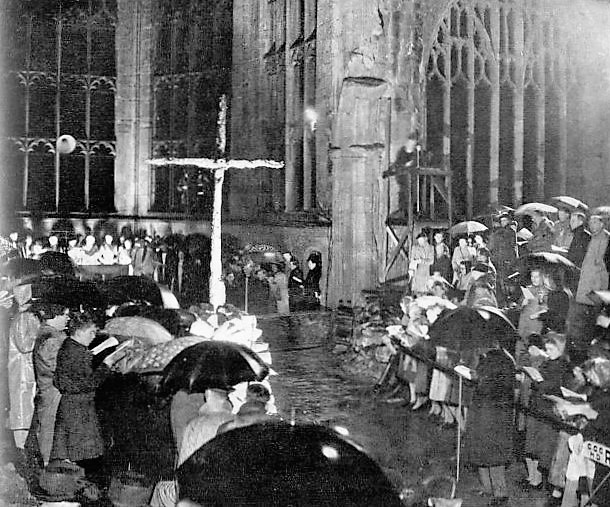
probable origin: in 1642, during the English Civil War, Royalists had been captured at Birmingham and sent to Coventry, which was a Parliamentarian stronghold.
Read More
The current sense of ‘jingo’ originated in a 1877 patriotic song adopted by the bellicose factions within the Conservative Party during the Russo-Turkish war.
Read More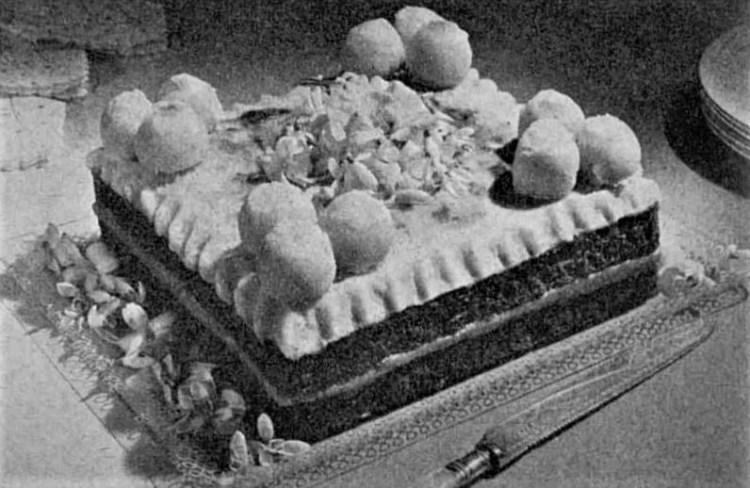
The theory that the custom of visiting one’s mother on mid-Lent Sunday derived from the custom of going to one’s mother church on that day is no proven.
Read MoreThis phrase originated in the belief that bear cubs were born formless and had to be licked into shape by their mother.
Read More
Before being a science-fiction term used by aliens to refer to an inhabitant of the earth, ‘earthling’ denoted an inhabitant of the earth as opposed to heaven.
Read More
‘Over the top’, which means ‘excessive’, originated as a WWI expression meaning ‘over the parapet of a trench and into battle’.
Read More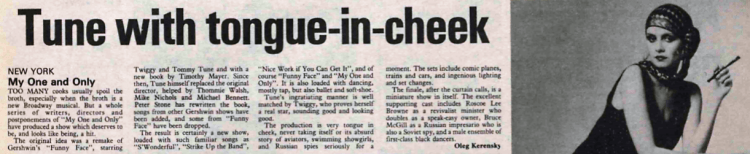
The phrase ‘(with) tongue in cheek’ originally referred to a sign of contempt or derision consisting in sticking one’s tongue in one’s cheek.
Read More
