origin of ‘begging bowl’ (appeal for financial help)
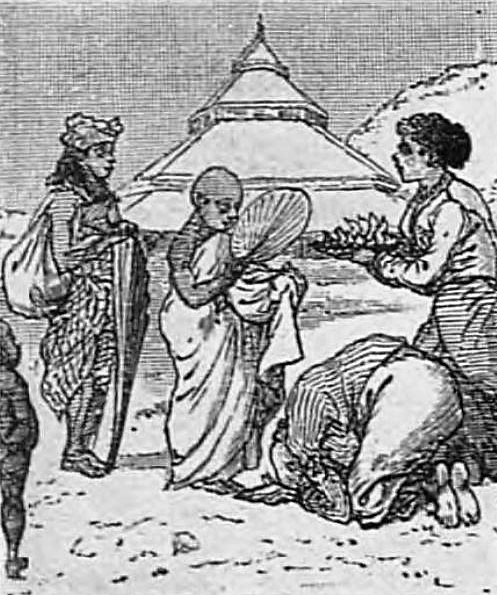
used in reference to a grovelling or obsequious appeal for financial help (1903)—originally a bowl carried by a Buddhist monk to receive food (1878)
Read More
“ad fontes!”
used in reference to a grovelling or obsequious appeal for financial help (1903)—originally a bowl carried by a Buddhist monk to receive food (1878)
Read Morecomparison between a drunken person and a ship careering because the sheets (ropes controlling the sets of the sails) are hanging freely
Read MoreUK, 1912—from the prayer “From Ghoulies and Ghoosties, long-leggety Beasties, and Things that go Bump in the Night, Good Lord, deliver us!”
Read More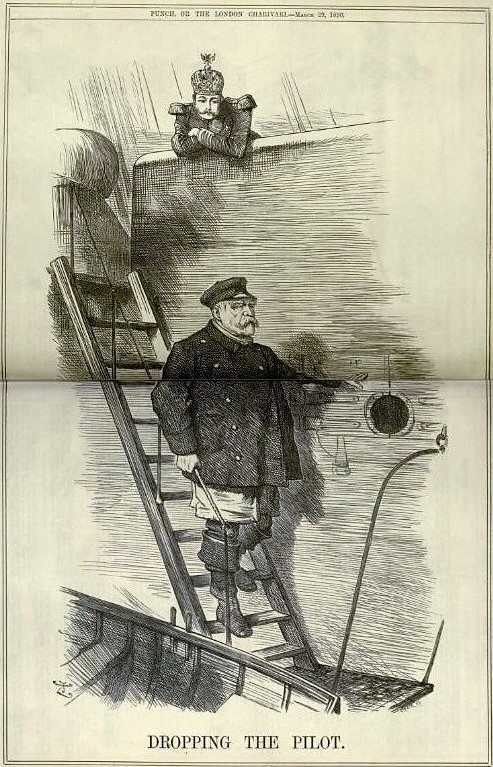
John Tenniel popularised the phrase in a cartoon depicting the dismissal of Otto von Bismarck, published in Punch (London) of 29 March 1890.
Read MoreUnnamed cocktails consisting of vodka and tomato juice became fashionable in the 1930s before the name ‘Bloody Mary’ was coined in November 1939.
Read Moreattested in the Later Version (1395) of the Wycliffe Bible—‘ghost’ means ‘the soul or spirit, as the principle of life’
Read More‘hell in a handbasket’ (1841), ‘heaven in a handbasket’ (1834) in Irish contexts—‘handbasket’ chosen for alliteration with ‘hell’—‘to go to hell in a handbasket’ meant ‘to go to hell’—‘to go to heaven in a handbasket’ meant ‘to go to heaven’ or ‘to go to hell’
Read MoreIn the phrase ‘sleep tight’ (USA, 1873), the adjective ‘tight’ is used as an adverb meaning ‘soundly’, i.e. ‘deeply and without disturbance’, as in the combination ‘tight asleep’ (USA, 1847).
Read MoreUK, 1857—characterised by savage violence or merciless competition—from Alfred Tennyson’s poem ‘In Memoriam’ (1850), in which ‘red in tooth and claw’ refers to Nature’s brutality
Read Moreoriginally: a child wearing the house key tied around their neck and staying in the streets while their mother is at work—USA, 1935: a poor Afro-American woman’s child—USA & UK, WWII: a child whose mother was engaged in war industry
Read More word histories