‘as dead as the dodo’: meaning and origin

UK, 1852—of a person or thing: irretrievably defunct or out of date—with reference to the extinct bird of Mauritius
Read More
“ad fontes!”
UK, 1852—of a person or thing: irretrievably defunct or out of date—with reference to the extinct bird of Mauritius
Read MoreThe noun red tape, meaning excessive bureaucracy or adherence to official rules and formalities, refers to the use of woven red tape to tie up bundles of legal documents and official papers; the literal meaning is first recorded in 1658, the figurative meaning in 1736.
Read More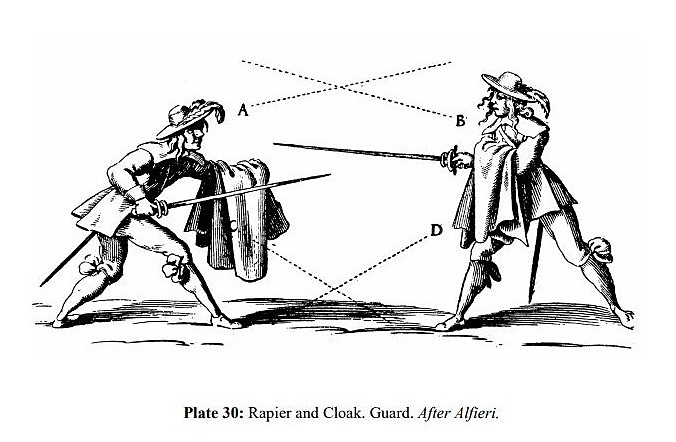
possibly from ‘cloak and sword’, from Spanish ‘(comedia) de capa y espada’, a type of dramas in which the main characters wore cloaks and swords or daggers
Read More
obsession—from Dickens’s ‘David Copperfield’, in which Mr. Dick is unable to write his memoirs because of the intrusive image of King Charles the First’s head
Read More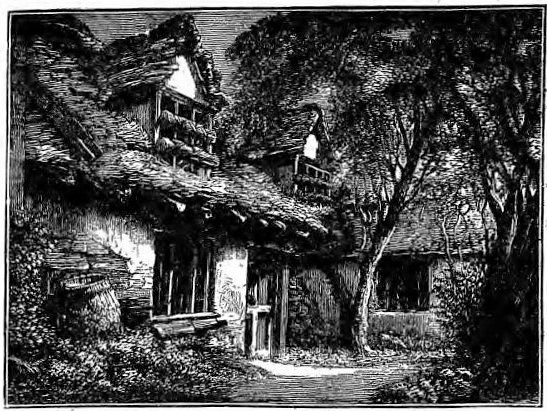
a game in which the player who has the role of Tom Tiddler defends his territory against the others, who try to steal his money—hence a source of easy money
Read More
coined by Charles Dickens in Nicholas Nickleby (1839) in a comic passage in which an insane speaker makes a series of nonsensical statements
Read More
‘like one o’clock’—mid 19th century, British: with speed, eagerness, energy; perhaps with reference to the lunchtime bustle in the northern manufacturing towns
Read MoreThe word ‘tyke’, a nickname for a person from Yorkshire, originally meant ‘mongrel’. The people from Yorkshire have adopted it as a term of self-reference.
Read More‘Mad as a hatter’ might be from ‘like a hatter’, an intensive phrase meaning ‘like mad’, perhaps related to the verb ‘hotter’, expressing motion and emotion.
Read More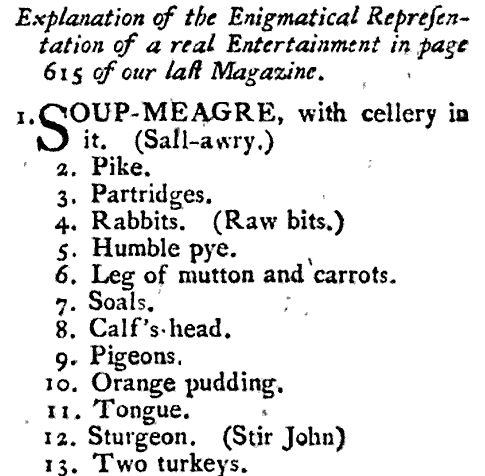
A puzzle published in The Hibernian Magazine, or, Compendium of Entertaining Knowledge (Dublin, Ireland) in 1774 punned on the humble of humble pie, which may indicate that the latter term was already used figuratively at that time. The following is from the October issue: […]
Read More
