a Japanese figurine of a sitting cat beckoning with one raised paw, traditionally believed to bring good luck—USA, 1894—from Japanese ‘maneku’ (to invite by beckoning, especially with the hand) and ‘neko’ (a cat)
‘extremely poor’—USA, 1810—humorous variant of ‘(as) poor as Job’, from the name of the eponymous protagonist of a book of the Old Testament, taken as the type of extreme poverty
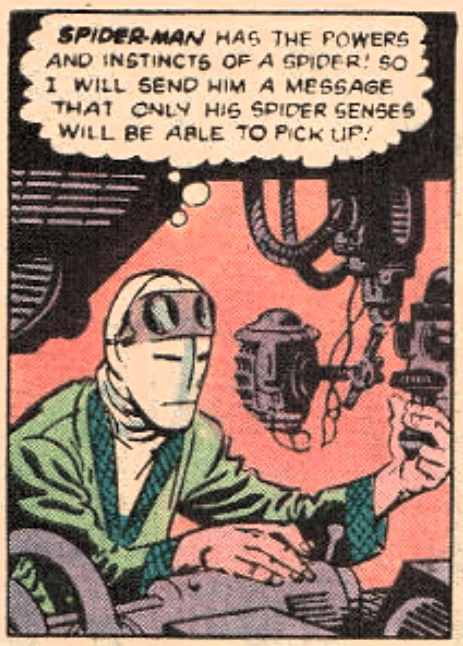
UK, 1914: an apparent ability to sense or intuit the presence of nearby spiders—USA, 1963, in reference to Spider-Man: a supernatural ability or power to perceive things beyond the normal range of human senses
the strategy consisting in deliberately making a shocking announcement in order to divert attention from a difficulty in which one is embroiled—from the image of throwing a dead cat on the table—first defined in 2013 by Boris Johnson
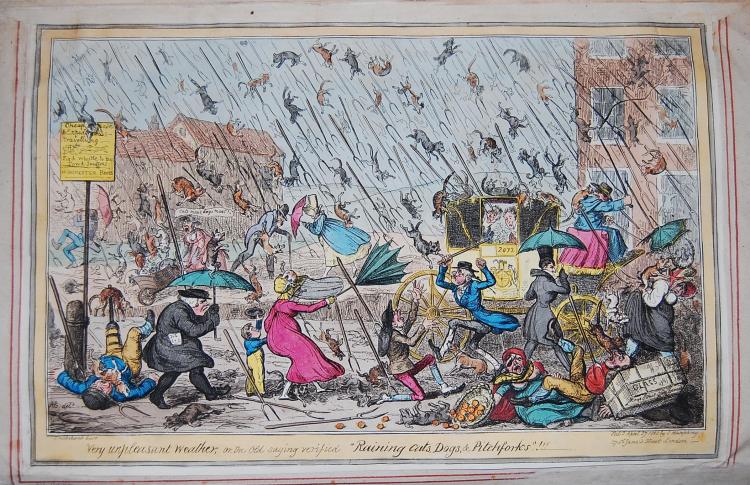
UK, 1856—jocular extension of ‘to rain cats and dogs’ (i.e., ‘to rain very hard’)—puns on the verb ‘hail’ (i.e., ‘to pour down like hail’) and the verb ‘hail’ (i.e., ‘to call out (a cab)’)
to vomit, especially from drunkenness—slang, obsolete—1609 as ‘to jerk the cat’—perhaps alludes to the fact that cats are prone to vomit—cf. also the obsolete French verb ‘renarder’, to vomit, from the noun ‘renard’, denoting a fox
to do or say something which causes trouble, controversy or upset—first occurs (1841 & 1843, Yorkshire, northern England) in quotation marks, which indicates that it was already in common usage
USA, 1966—a (13th-birthday) party held for a dog—a blend of ‘bark’ (the sharp explosive cry of a dog), and of ‘bar mitzvah’ (the coming-of-age ceremony for a 13-year-old Jewish boy), or ‘bat mitzvah’ (the equivalent ceremony for a Jewish girl)


 word histories