‘war cake’: meaning and origin
a cake made with the ingredients available during wartime—first used during the First World War (1914-1918)—came back into usage during the Second World War (1939-1945)
Read More
“ad fontes!”
a cake made with the ingredients available during wartime—first used during the First World War (1914-1918)—came back into usage during the Second World War (1939-1945)
Read MoreAustralia & USA, 1850—a married woman whose husband has left to prospect for gold in California
Read More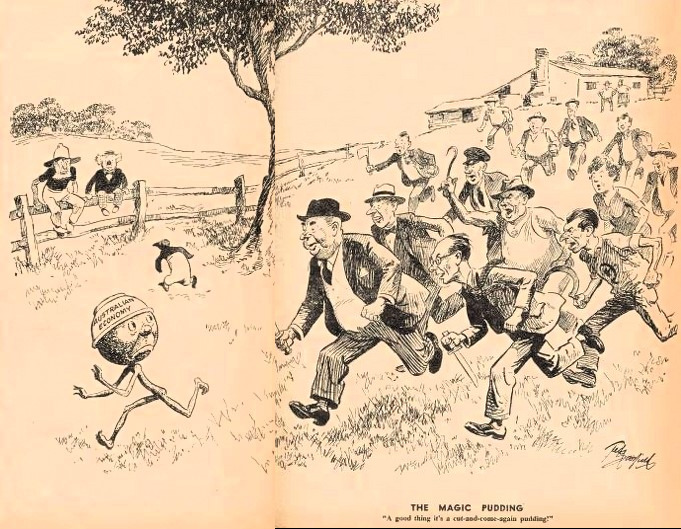
Australia, 1934—an inexhaustible supply of something, especially money—alludes to The Magic Pudding (1918), by Norman Lindsay, in which a pudding instantly renews itself as it is sliced or eaten into
Read MoreNew Zealand, 1917—a mess, a muddle; something unattractive or unappetising—alludes to the jumbled nature of a pig’s meal
Read MoreUK, 1911—a sharp blow to the back of the neck—refers to the practice of killing rabbits in this way, and originated in boxing—Australia, 1913: ‘rabbit killer’, also ‘rabbit-killer punch’
Read Morea person exercising an insidious or corrupting influence, especially over a ruler, government, etc.—UK, 1917—refers to Grigori Efimovich Rasputin (circa 1869-1916), mystic and influential favourite at the court of Tsar Nicholas II
Read More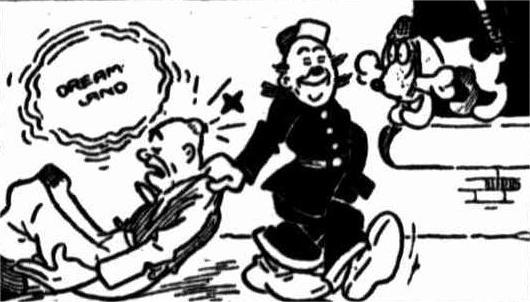
a police station—USA, 1882—here, the noun ‘cop’ designates a police officer and the noun ‘shop’ designates the place where one works
Read More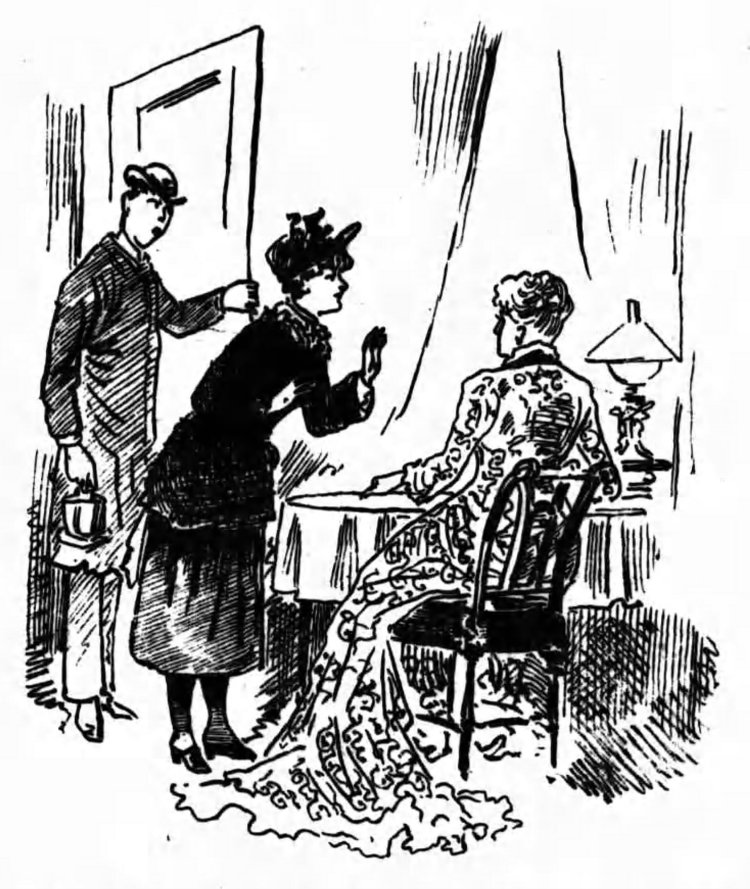
UK, 1869—a mechanised full-size model of a bull, simulating the movement and behaviour of a bull (particularly in a corrida), used in public entertainments
Read More1988, Australia & USA—apathy, indifference or mental exhaustion arising from exposure to too much information—especially stress induced by the attempt to assimilate excessive amounts of information from the media, the Internet or at work
Read Moreis used of waterlogged land—USA,1859—Australia, 1874—now chiefly Australian
Read More word histories