‘the man outside Hoyt’s’: meaning and origin
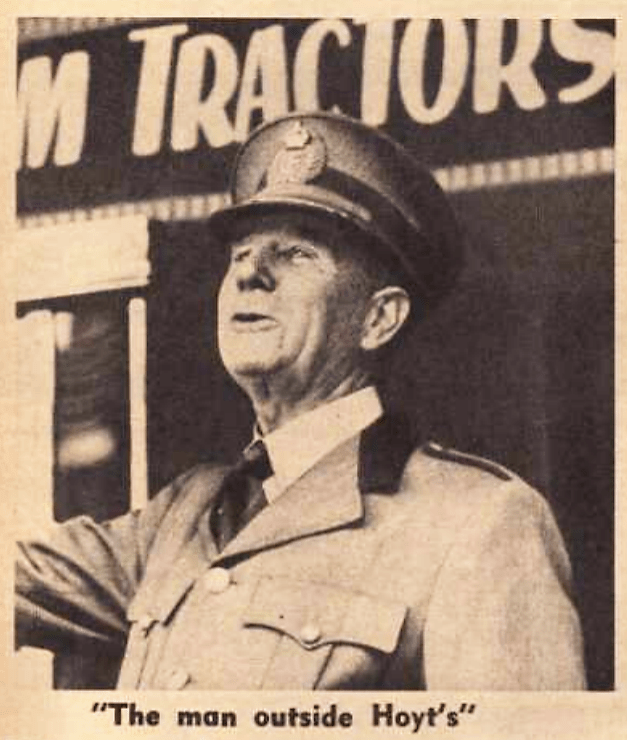
Australia, 1935—a person with extensive knowledge—originally the announcer outside Hoyt’s Theatre in Melbourne, Victoria, who wore a most elaborate uniform
Read More
“ad fontes!”
Australia, 1935—a person with extensive knowledge—originally the announcer outside Hoyt’s Theatre in Melbourne, Victoria, who wore a most elaborate uniform
Read MoreU.S.—used in reference to several muddy rivers, and, occasionally, to other waterbodies—originally (1890 to 1902) used in reference to the Missouri River
Read MoreAustralia, 1930—describes a person who is reluctant, or very slow, to pay for something—the image is of a snake biting the person when they put their hand in their pocket to get at their money
Read MoreUK, 1968—British and Australian: expresses indifference towards, or rejection of, a suggestion—from ‘Umpa, Umpa, Stick It Up Your Jumper’, a song recorded in 1935 by The Two Leslies (Leslie Sarony and Leslie Holmes)
Read More
conveys derisive self-congratulation for an action that the speaker has done from a sense of duty rather than for pleasure—from a line uttered by Charles Laughton in the 1933 film The Private Life of Henry VIII
Read More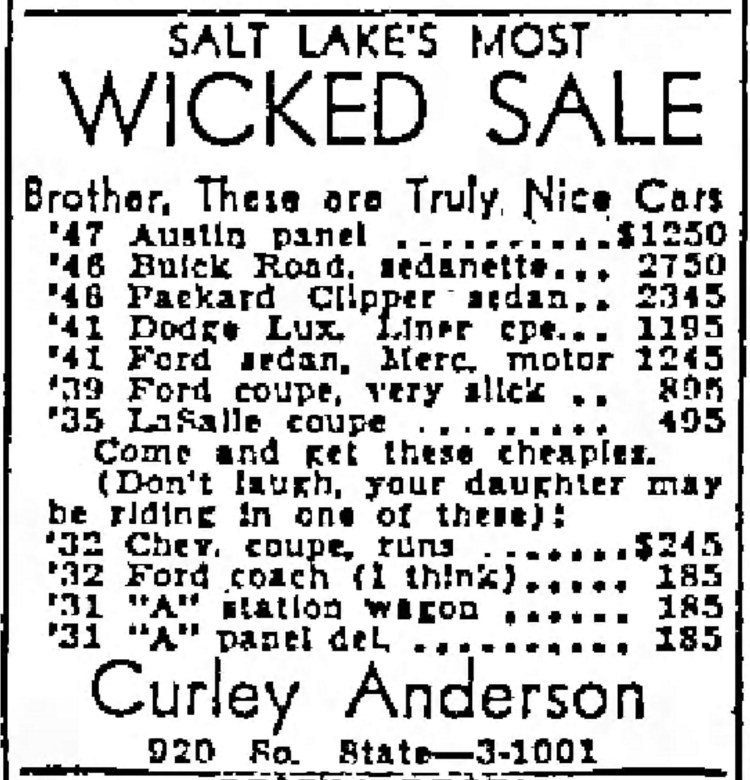
USA, 1938: painted by teenagers on the dilapidated old cars they drove—Australia, 1948: painted on cars, too, but, apparently, not specifically by teenagers—later, on bumper stickers
Read More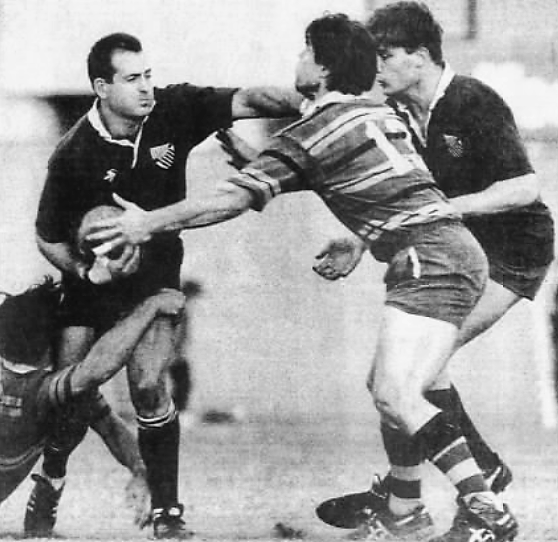
Australia, 1914—the straight-arm fend-off—from advertisements for J. C. Hutton Pty Ltd, depicting a man putting a hand in another man’s face and saying “Don’t argue—Hutton’s bacon is the best”
Read More1951—with pun on the noun ‘camp’ (i.e.: encampment): extremely camp (i.e.: ostentatiously and extravagantly effeminate; deliberately exaggerated and theatrical in style)
Read Morea word in confidence—UK, 1927—‘shell-like’ elliptical for ‘shell-like ear’, which was originally a poetical term associating the shape of the external ear with the graceful convolutions of a small pink seashell
Read MoreUK, 1898—Australia, 1913—used when, while addressing someone, the speaker is interrupted by someone else—in particular when the person who interrupts is a subordinate of the person whom the speaker addresses
Read More word histories