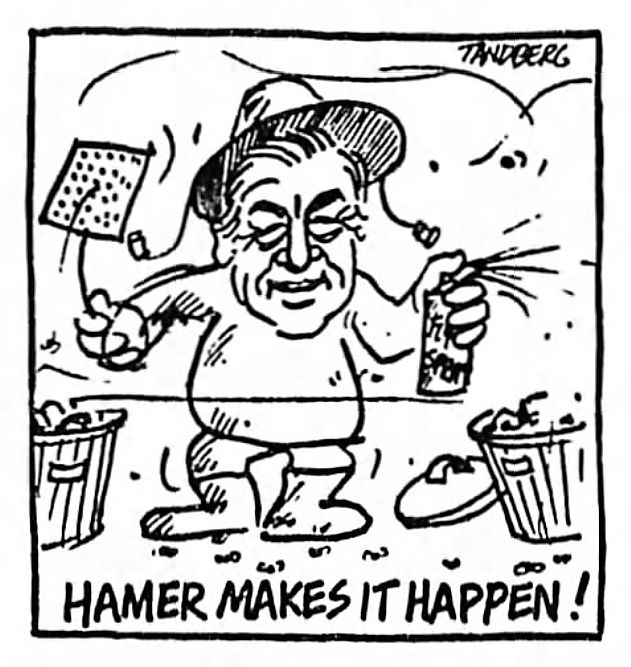
state of South Australia, 1952—a traffic warden—from the fact that South Australian traffic wardens licked the adhesive parking tickets in order to stick them to the windscreens—hence also the verb ‘sticker-lick’
1966—With punning allusion to the high cost of living in that affluent harbourside suburb of Sydney, New South Wales, Double Bay is colloquially referred to as ‘Double Pay’.
UK, 1788—very drunk—may refer to Chloe, a woman with whom the English poet Matthew Prior (1664-1721) allegedly drank, and whom he often mentioned in his poems
Australia, 1952—to travel a long distance—refers to the Burke and Wills expedition of 1860-61, which aimed to cross Australia from Melbourne, in the south, to the Gulf of Carpentaria, in the north
the movement of the hand in brushing away flies—first recorded in 1967 in a speech by Fred Chaney, Member of the Australian House of Representatives—variants: ‘the Queensland salute’; ‘the Barcoo salute’
denotes effrontery—‘front’ denotes self-assurance, but the word that follows ‘than’ puns on ‘front’ in the sense of the façade of a building, the part of a garment covering a person’s front, etc.
the nickname that the Venetian opera audience gave to Joan Sutherland when she sang Handel’s Alcina at the Fenice Theatre on 21 February 1960—Italian ‘è stupenda’ translates as ‘she is stupendous’
Australia, 1884—designates the adjective ‘bloody’ used as an intensifier—although ‘bloody’ is used as an intensifier in other countries, its widespread use in Australia is seen as characteristic of this country
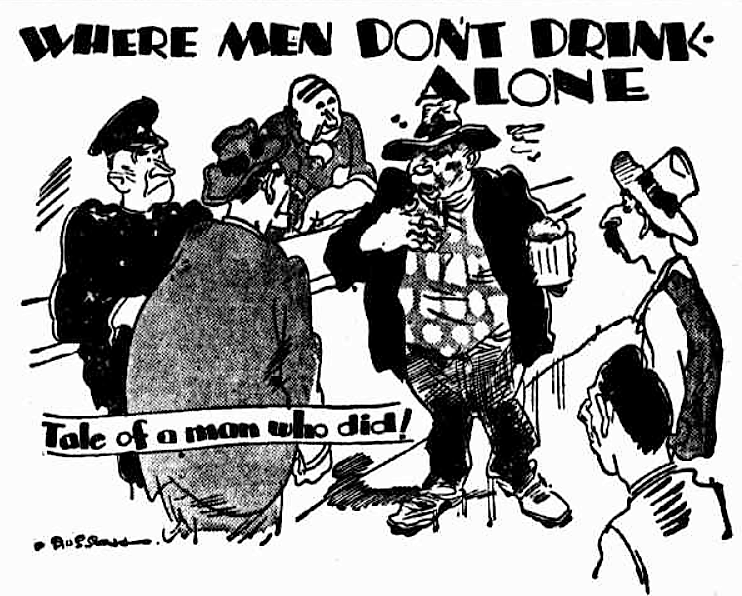
Australia, 1898—to drink by oneself in a public house, which is regarded as an unsociable attitude—the image is that the solitary drinker has no other companions than the flies
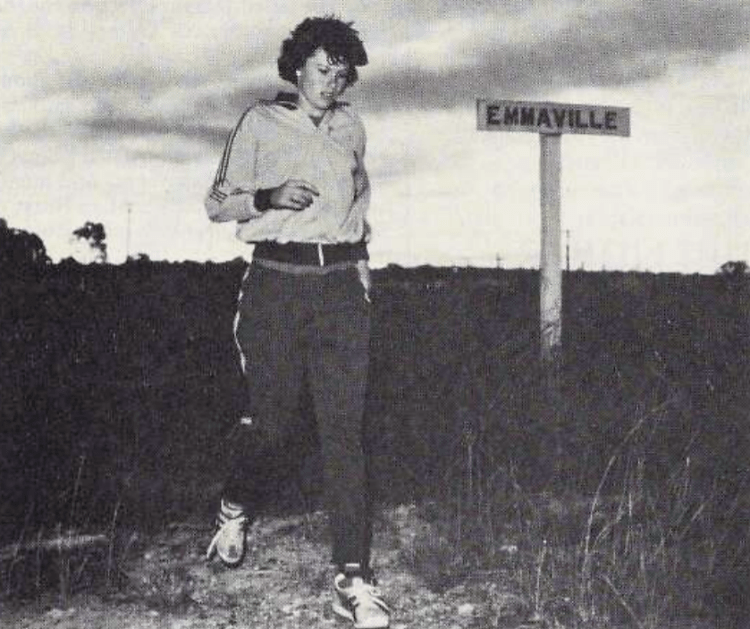
Australia, 1976—nickname of Australian sprinter Debbie Wells (born 1961), who is from Emmaville, in New South Wales—alludes jocularly to ‘express (train)’, denoting a train that stops at few stations and travels quickly