UK, 1804—literal meaning: a robbery committed during daylight hours, often characterised as particularly conspicuous or risky—figurative meaning: blatant and unfair overcharging or swindling
Australia, 1927—alteration of ‘blanc’ in French ‘vin blanc’ (‘white wine’)—via rhyming slang forms such as ‘plinketty-plonk’, from phrases such as ‘vin blank’ in the slang of soldiers stationed in France during WWI
Particularly in Australian English, with reference to the phrase ‘not to care a bugger’, meaning ‘not to care at all’, the noun ‘imbuggerance’, also ‘embuggerance’, denotes ‘absolute indifference’.
denotes a film, television programme, etc., which adopts the form of a serious documentary in order to satirise its subject—apparently first used (and perhaps coined) in 1952 by the Canadian television producer Ross McLean
a tall person—Australia, 1968, in the stage play Norm and Ahmed, by Alexander Buzo—gained currency from occurring in the film Gallipoli (1981), scripted by David Williamson
a parliamentary question which the respondent knows will be asked, intended to prompt a prepared reply—1934—refers to the question-and-answer column by Dorothy Dix, pseudonym of U.S. journalist Elizabeth Meriwether Gilmer
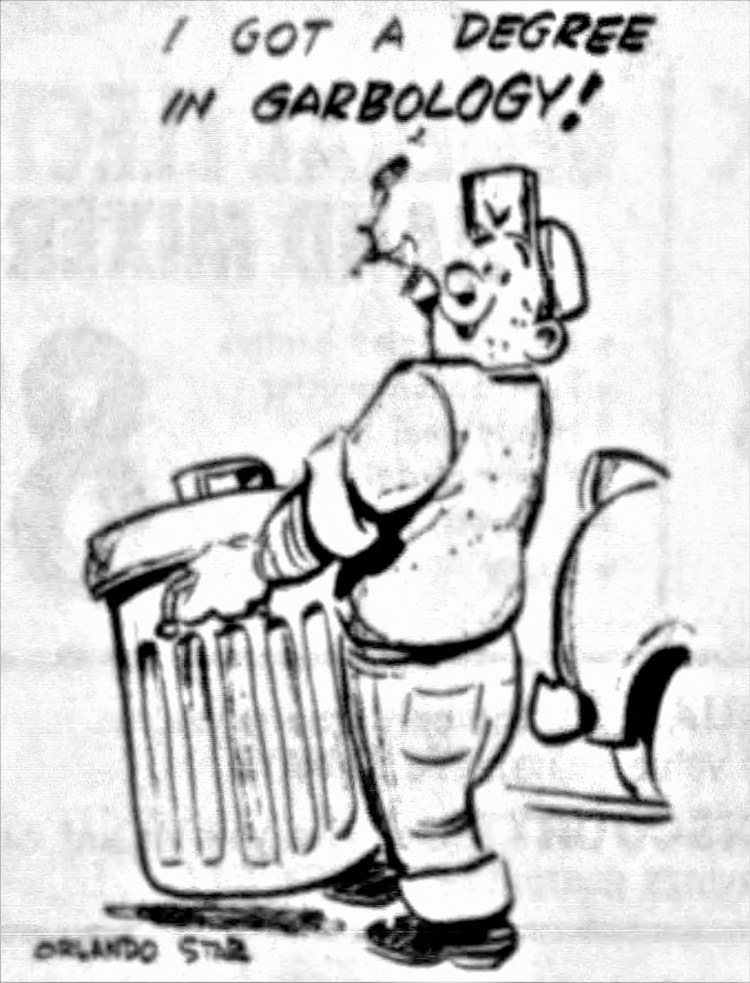
a person whose job is to collect domestic refuse—also, an expert in the treatment of refuse—USA, 1946—from ‘garb-’ in ‘garbage’, and the combining form ‘-ologist’
Australia, 1834—used in various phrases, in particular as a type of someone or something in a very bad state or condition—also in the phrase ‘all behind like Barney’s bull’, meaning ‘very delayed’ or ‘backward’—origin unknown