‘to take the Fifth’: to decline to reveal one’s own secrets—from ‘to take the Fifth Amendment’: to appeal to Article V of the original amendments to the U.S. Constitution, which states that “No person […] shall be compelled in any criminal case to be a witness against himself.”
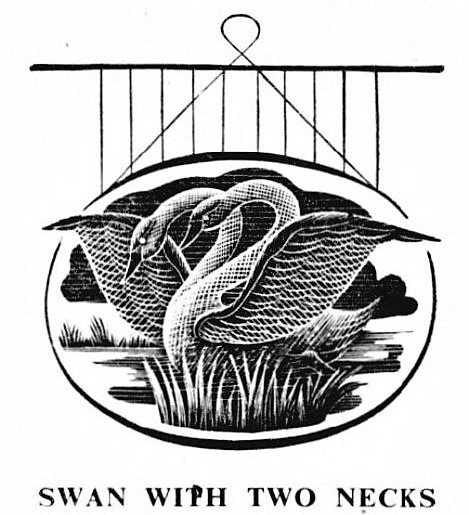
Alteration of ‘the Swan with Two Nicks’—All the Thames swans belong to the Crown, the Vintners’ Company or the Dyers’ Company. A swan with two nicks belongs to the Vintners’ Company, with one nick to the Dyers’ Company, with no nicks to the Crown.
an epithet for William Shakespeare, born at Stratford-upon-Avon, on the River Avon—first used by Ben Jonson in the earliest collected edition (1623) of Shakespeare’s plays—but this use of ‘swan’ for a bard, a poet, is rooted in a tradition going back to antiquity
U.S., 1876—‘bulldozers’: members or supporters of the Democratic Party who used threats and acts of violence in order to prevent Afro-Americans from voting for Republican candidates
The name ‘Quorn’ was first registered as a trademark—for certain edible products other than meat substitutes—by the Quorn Specialities Company of Leicester, England, in 1914. The meat substitute was subsequently developed by the successors of this company.
mi-17th century—probably from ‘hand in (the) cap’, used of a sort of game in which players put forfeit money in a cap and then drew from it—later applied to a race between two horses (the better of which carried extra weight), arranged by such rules
Old English ‘werewulf’ (first element identified with Old English ‘wer’, ‘man’) first used for ‘wolf’ to denote a person serving Satan (cf. Gospel of Matthew “Beware of false prophets, who come to you in sheep’s clothing, but inwardly they are ferocious wolves”)
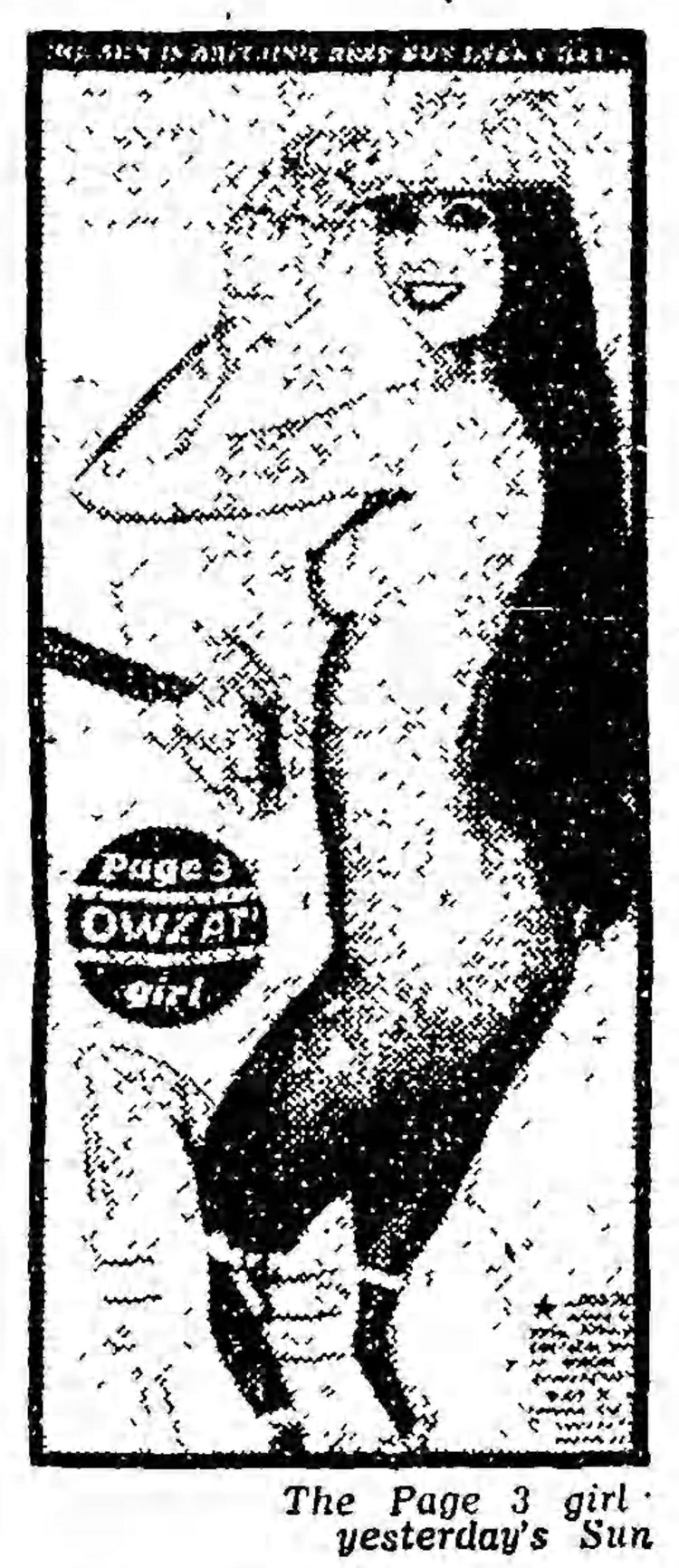
British English—‘Page Three’, or ‘Page 3’: a feature which appeared daily on page three of the British tabloid The Sun (London), and included a pin-up picture of a topless or nude young woman; this feature first appeared on 17 November 1970.
A diminutive of ‘pūpa’ (‘a girl’, in transferred use also ‘a doll’), the Latin feminine noun ‘pūpilla’ came to also denote ‘the pupil of the eye’ on account of one’s own reflection seen when looking into somebody’s eye—the same metaphor underlies ‘to look babies in somebody’s eyes’.
During the Cold War, especially in the context of a possible nuclear war, ‘better red than dead’ was used to warn against uncompromising opposition to communism, while ‘better dead than red’ was used to express unconditional opposition to communism.



 word histories