meaning and origin of ‘as dead as the dodo’

UK, 1852—of a person or thing: irretrievably defunct or out of date—with reference to the extinct bird of Mauritius
Read More
“ad fontes!”
UK, 1852—of a person or thing: irretrievably defunct or out of date—with reference to the extinct bird of Mauritius
Read More
USA, 1940—alert and lively—originated in the conventional image of a healthy, spirited squirrel or other animal
Read Morefrom Old French and Anglo-Norman ‘aveir de peis’, ‘goods of weight’, as distinguished from the goods sold by measure or number
Read Morefirst recorded in The Biglow Papers (1848), by American author James Russell Lowell—based on the notion of leaving one’s hat behind in a rush of impetuosity
Read Moreprimary meaning of ‘boggle’ was ‘to start with fright’, originally with reference to horses—probably related to the nouns ‘bogle’ and ‘bogey’, denoting an evil spirit such as horses are reputed to see
Read Moremeaning: everything is or will turn out all right—Scotland, 1891—‘bob’ probably related to the adjectives ‘bob’ and ‘bobbish’, meaning ‘well, in good health and spirits’
Read Moremeaning: everybody imaginable—UK, 1898 in extended form, 1899 in current form—alludes to the names listed in the Devon ballad ‘Widdecombe Fair’
Read More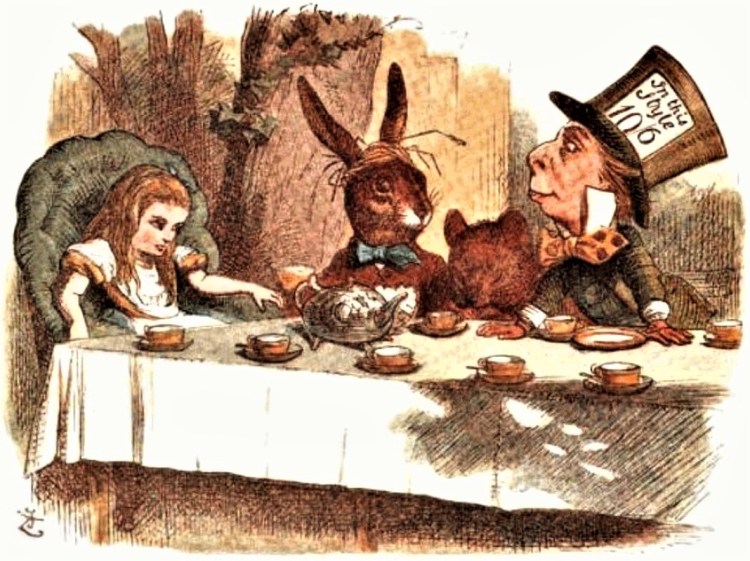
to be insane—late 19th century—originated in the fact that in 19th-century productions of Shakespeare’s ‘Hamlet’, Ophelia appeared with straws in her hair in her ‘mad scene’
Read More‘to be unable to run a whelk stall’ and variants: to be incapable of managing the simplest task or enterprise—coined by John Elliot Burns (1858-1943), English trade unionist and politician, in the 1894 New Year’s address to his constituents of Battersea
Read More1808, as ‘to talk a horse’s hind leg off’—‘[animal’s] hind leg off’ is probably a hyperbolic extension of ‘to talk’, emphasising the speaker’s persistence or eloquence
Read More word histories