a personal view on the ‘animal-friendly’ phrases suggested by PETA
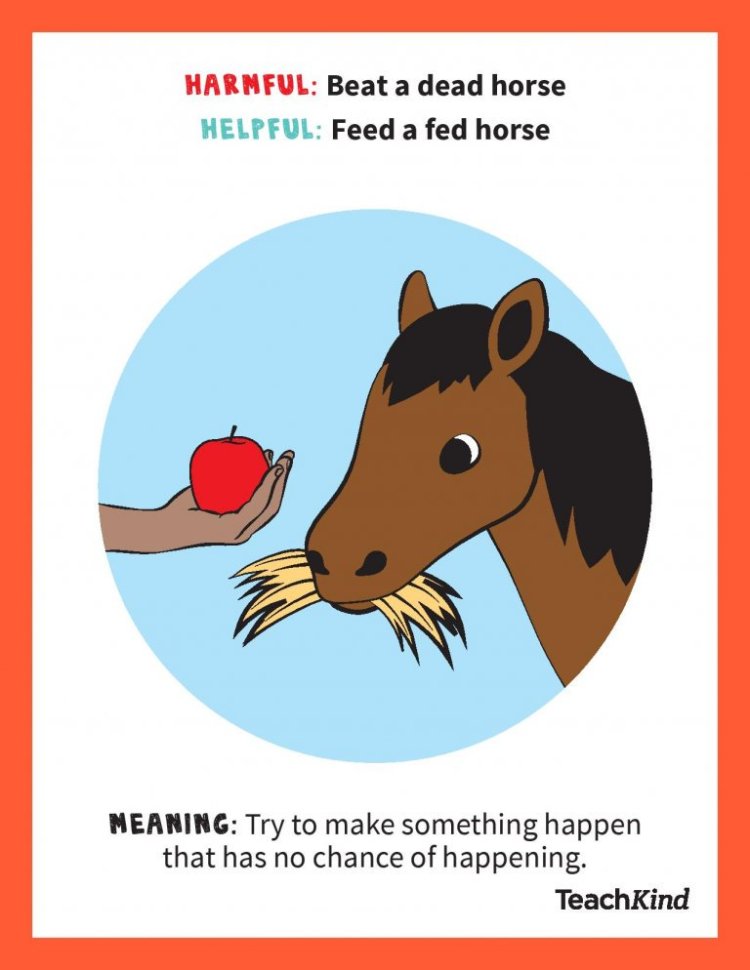
Fundamentally, I object to the will of any group to artificially modify language in order to impose their world view.
Read More
“ad fontes!”
Fundamentally, I object to the will of any group to artificially modify language in order to impose their world view.
Read More‘robe’ originally denoted something that has been robbed—French ‘voler’ (‘to fly’) has come to mean ‘to steal’ via falconry
Read More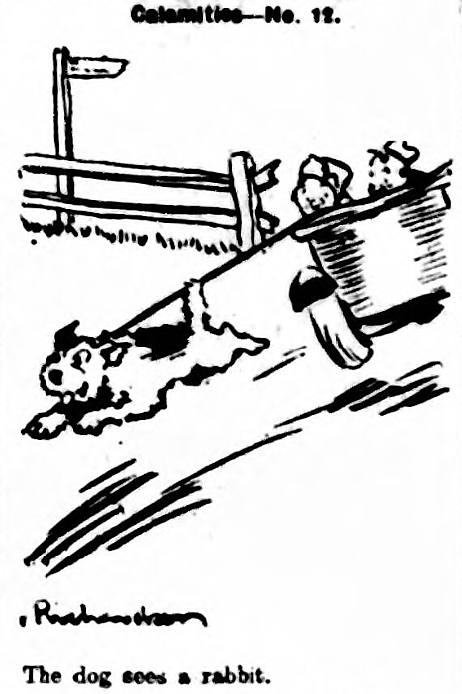
1893—to allow someone to get on with their task—originated in Wales with reference to fair-mindedness in sports
Read MoreUSA, 1889—humorous, informal: a hen’s egg—composed of ‘cackle’, the raucous clucking cry given by a hen, especially after laying an egg, and of ‘berry’
Read More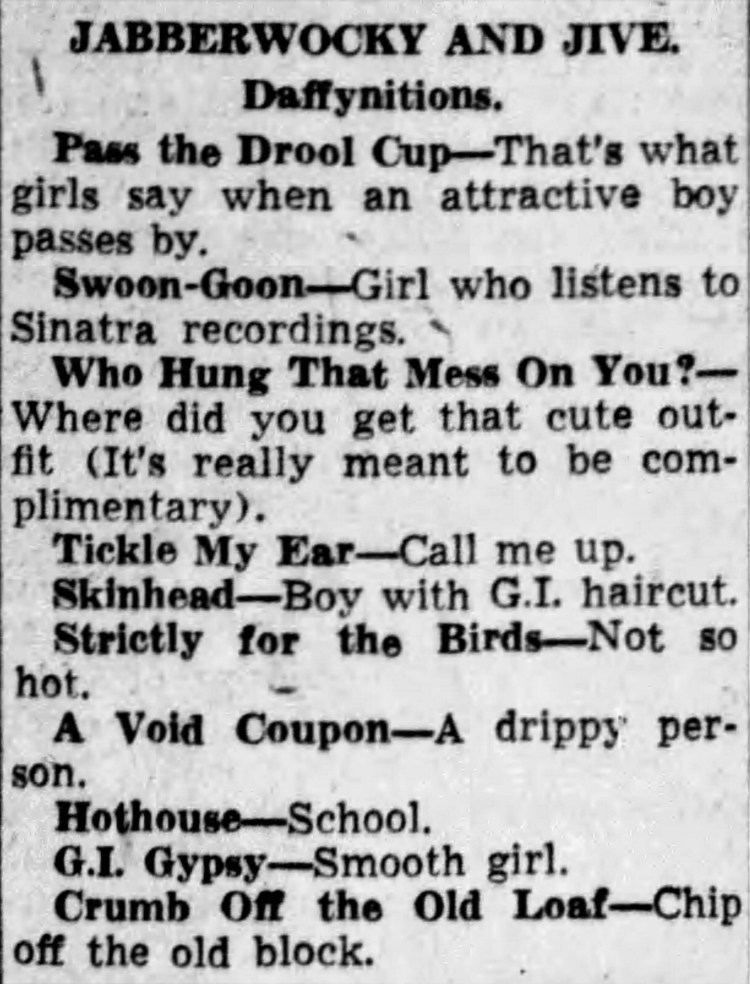
army slang, early 1940s—euphemistic shortening of ‘shit for the birds’—seems to allude to birds eating droppings from horses and cattle
Read More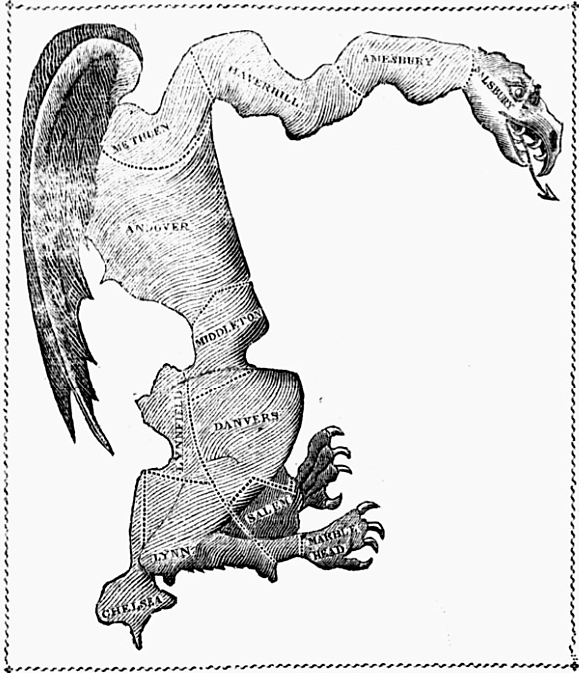
the drawing of the ‘Gerry-mander’ and the accompanying text—as published in the Boston Gazette (Boston, Massachusetts) of 26 March 1812
Read MoreUK, 1755—loan translation from French ‘un mauvais quart d’heure’ (1710), which has also been used in English since 1830
Read More
very easy to accomplish—USA, 1902, although recorded in 1898 with perhaps a different meaning
Read MoreUK, 1930—‘as the bishop said to the actress’, ‘as the actress said to the bishop’: mischievously implies a sexual innuendo or ambiguity in a preceding innocent remark
Read MoreUSA, 1931—phrase based on the phonetic similarity of the two words that compose it—implies lack of discrimination
Read More word histories