history of the phrase ‘(but) some — are more equal than others’

USA—from 1848 onwards in contrast to ‘all men are equal’—now often alludes to ‘but some animals are more equal than others’ in Orwell’s Animal Farm (1945)
Read More
“ad fontes!”
USA—from 1848 onwards in contrast to ‘all men are equal’—now often alludes to ‘but some animals are more equal than others’ in Orwell’s Animal Farm (1945)
Read More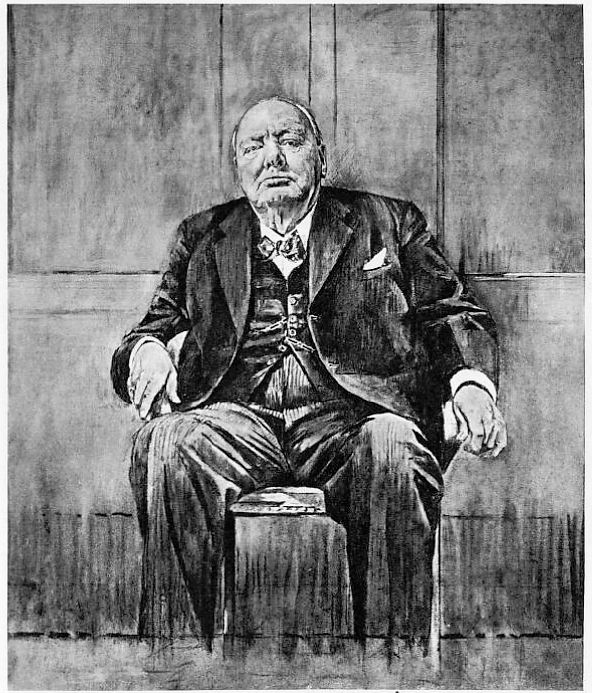
USA, 1884—a person whose lack of courage is as real as it appears to be—jocular variant of ‘a wolf in sheep’s clothing’—often misattributed to Winston Churchill
Read Moreearly 18th century, in Jonathan Swift’s ‘Polite Conversation’—from the folk belief that one shudders when somebody walks over the site of one’s future grave
Read More
Australia and New Zealand 1913—alludes to horse racing, in which a horse wins a race by being the first to pass the finishing post
Read More
‘cheese-eating surrender monkeys’: the French people (USA, 1995) from The Simpsons—‘tea-drinking surrender monkeys’: the British people (Ireland, 2004)
Read More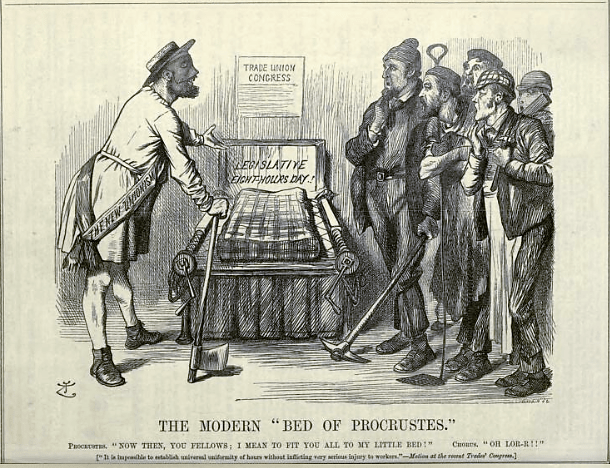
a means of enforcing conformity—Greek mythology: Procrustes was a robber who made his victims fit a bed by either stretching them longer or cutting them shorter
Read MoreUSA, 1838—used with reference to extreme cold, extreme heat and other notions such as ridiculousness—from jocular allusions to brass statuettes of monkeys
Read More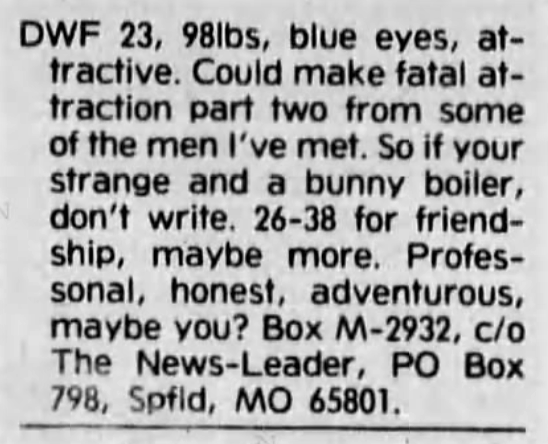
1989—a person acting vengefully after having been spurned by their lover—from 1987 film Fatal Attraction, in which a rejected woman boils her lover’s pet rabbit
Read More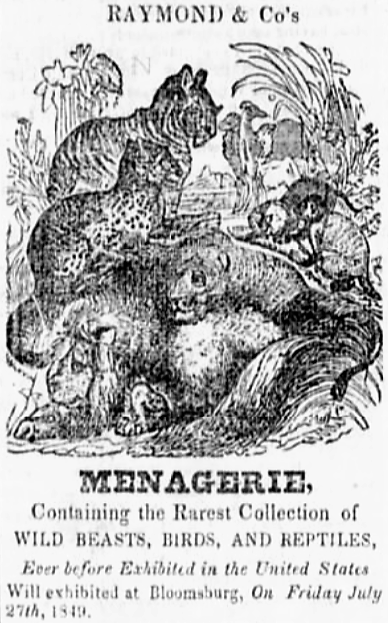
‘to stick out like a sore thumb’ USA, 1868, to be glaringly obvious— ‘to be on hand like a sore thumb’ USA, 1849, to be fully available
Read MoreUSA, 1802 and 1851—translations from German—apparently from the idea that the area behind the ears is the last part to become dry after birth
Read More word histories