Lancashire, England, 1833—a faggot, a meatball, “a compound of onions, flour, and small pieces of pork” (The Liverpool Echo, 20 August 1880)—probably one of the common dishes humorously named after daintier items of food
Liverpool, England—(1957) an insalubrious place—(1961) the neighbouring town of Bootle regarded as a rough area—said to refer to the Knowsley’s Bug Circus of Bootle, which featured clog-shod, chain-smoking performing bugs
UK, 1741—all day, incessantly—also, in early use, ‘morn, noon and night’—different from the juxtaposition of the nouns ‘morning’, ‘noon’ and ‘night’, which refers to an action taking place first in the morning, then at noon, and finally at night
1762—(especially of an ancient style of writing): having alternate lines written from left to right and from right to left—from the Greek adverb ‘βουστροφηδόν’, meaning literally ‘as an ox turns (in ploughing)’, with allusion to the course of the plough in successive furrows
USA, 1898—a view as seen from below or from a humble position—refers to a view taken as from the standpoint of a worm, i.e. from ground-level—coined after ‘bird’s-eye view’ (1782), denoting a view of a landscape from above, such as is presented to the eye of a bird
USA, 1937—an uneasy sensation felt, especially in the stomach, as a result of nervousness or apprehension—based on the notion that the fluttering of butterflies may produce a similar sensation
USA, 1853—in a panic-stricken and unthinking manner—alludes to the phenomenon whereby a chicken can move about for a short time after decapitation, due to reflex activity of the nervous system
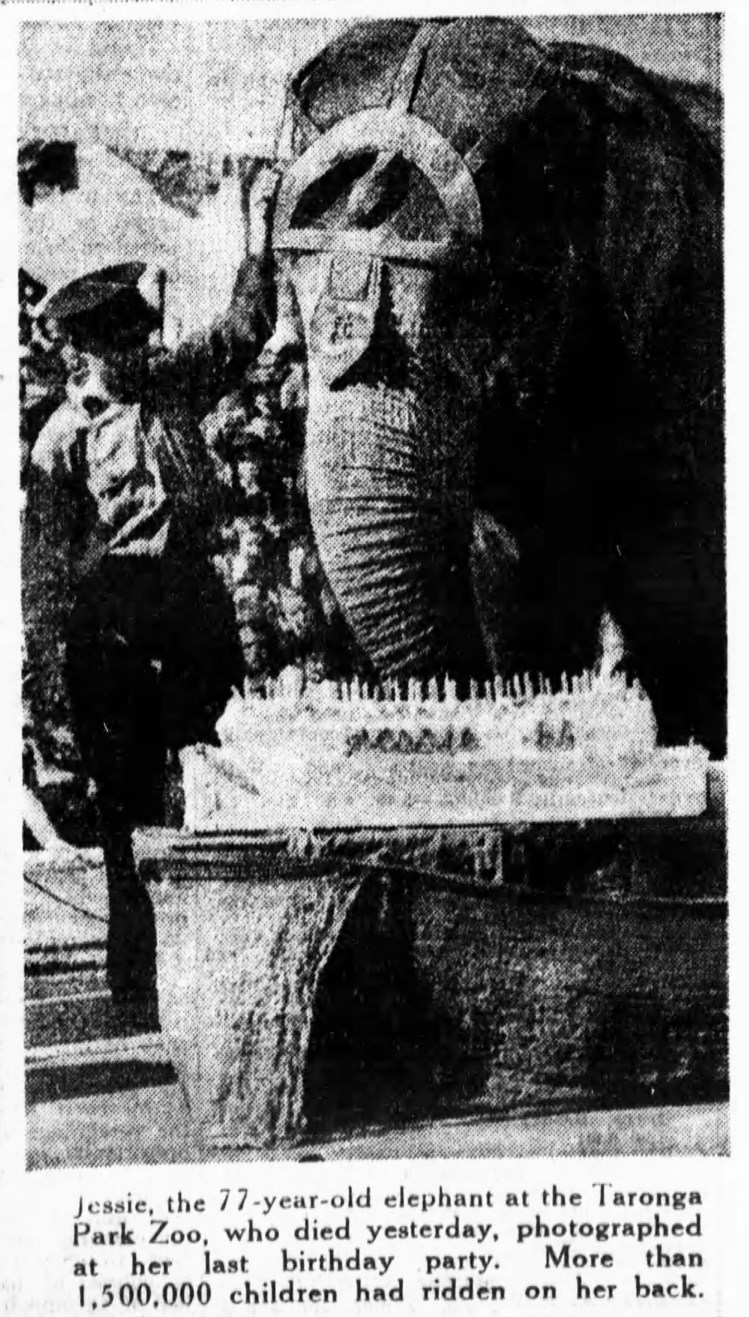
Australia, 1919—an excess of effrontery—puns on two meanings of ‘hide’ (the skin of an animal – effrontery) and refers to ‘Jessie’, the name of an elephant that was kept in the zoological gardens of Sydney, New South Wales


 word histories