North-American colonies, 1737—to walk in a swerving, unstable manner—especially used of an inebriated person’s gait—refers to ‘Virginia fence’, denoting a fence consisting of sets of wooden rails that interlock in a zigzag fashion
1906—a familiar name jocularly given to a fanciful deity reputed to be in command of the weather—especially occurs in the phrase ‘send it down, Hughie!’, used to ask that deity to send the rain down from the heavens—also, in the surfers’ lingo: the god of the waves
1762—(especially of an ancient style of writing): having alternate lines written from left to right and from right to left—from the Greek adverb ‘βουστροφηδόν’, meaning literally ‘as an ox turns (in ploughing)’, with allusion to the course of the plough in successive furrows
UK—literally, 1919: a dish consisting of meat served with two varieties of vegetable, seen as typical of traditional or unimaginative British cooking—figuratively, 1951: something simple and unsophisticated, or something indicative of simple and unsophisticated tastes
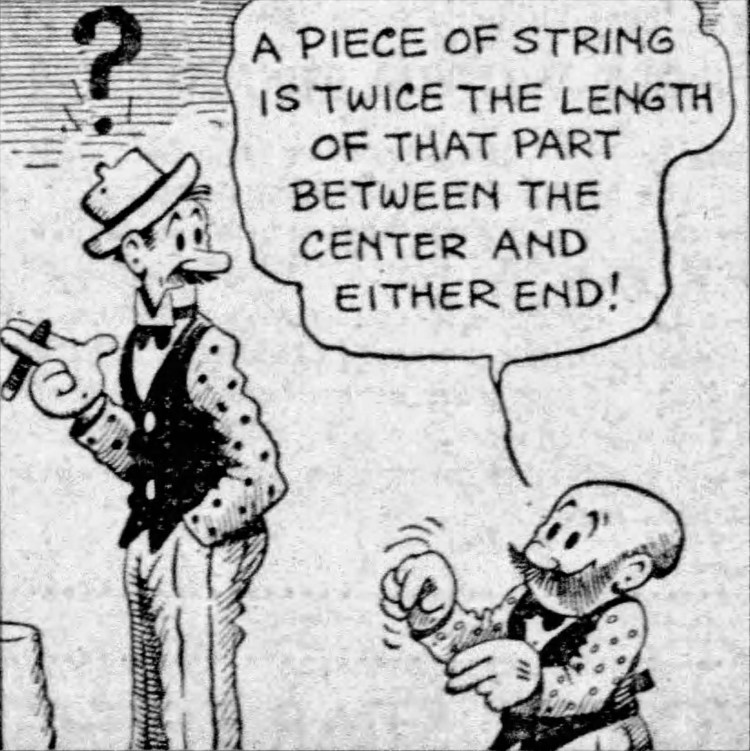
USA, 1885—a response to a question that cannot be answered precisely, although a precise answer seems to be expected—various jocular replies have been made up, such as ‘twice the length from the middle to the end
USA, 1977—to be mentally stable—usually depreciatively in negative contexts, as ‘not to have both oars in the water’—refers to the necessity of dipping both the oars into the water to keep a rowing boat steady and steer it in a straight line
USA—1940: a policy of non-acceptance with regard to a specified situation, activity, result, substance, etc.—1971: a policy of non-acceptance with regard to abusive, anti-social or criminal behaviour, especially the use of illegal drugs
Irish English, 1834—extremely cold, literally (i.e., with reference to low temperatures) and figuratively (i.e., with reference to lack of feeling, of emotion)
U.S.—used in reference to several muddy rivers, and, occasionally, to other waterbodies—originally (1890 to 1902) used in reference to the Missouri River
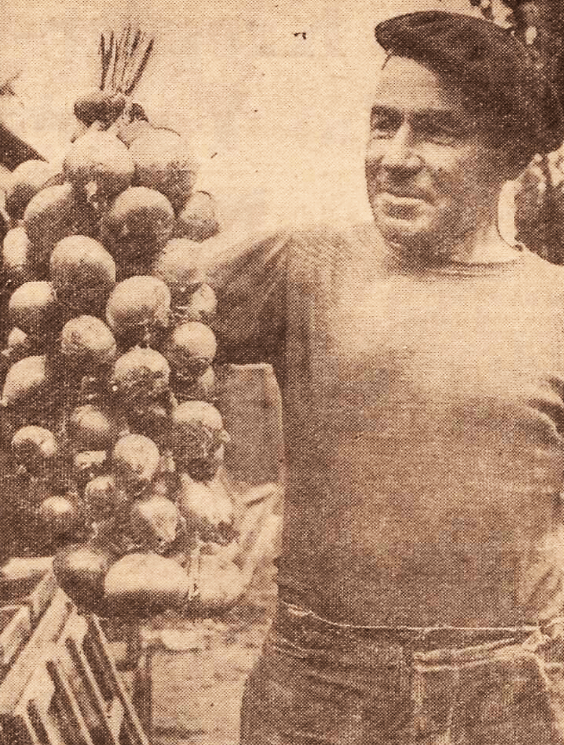
UK, 1877—an onion-seller from Brittany who sold onions door-to-door around the coasts of Britain—used with modifying word, ‘Johnny’ designates a person of the type, profession, etc., specified

 word histories