meaning and origin of the phrase ‘esprit d’escalier’
The expression ‘esprit d’escalier’, ‘wit of the staircase’, originally referred to a witty remark coming to mind on the stairs leading away from a gathering.
Read More
“ad fontes!”
The expression ‘esprit d’escalier’, ‘wit of the staircase’, originally referred to a witty remark coming to mind on the stairs leading away from a gathering.
Read More
The original form of this phrase was ‘pigs fly with their tails forward’. Also: the French, Italian, Portuguese and Spanish equivalent expressions.
Read More
Before being a science-fiction term used by aliens to refer to an inhabitant of the earth, ‘earthling’ denoted an inhabitant of the earth as opposed to heaven.
Read More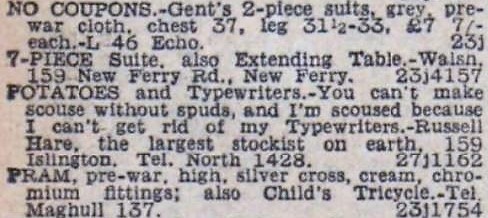
The original sense of ‘Scouse’, denoting a person from Liverpool, is ‘a stew’. The word ‘scouse’ is in turn a shortening of ‘lobscouse’, of obscure origin.
Read MoreThe word ‘tyke’, a nickname for a person from Yorkshire, originally meant ‘mongrel’. The people from Yorkshire have adopted it as a term of self-reference.
Read More
‘Over the top’, which means ‘excessive’, originated as a WWI expression meaning ‘over the parapet of a trench and into battle’.
Read More
The French word for the oyster-shaped piece of meat in the hollow of the pelvic bone of a fowl is ‘sot-l’y-laisse’, literally ‘(the) fool leaves it there’.
Read More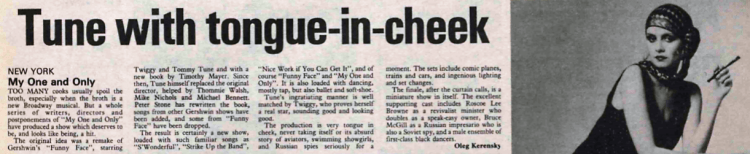
The phrase ‘(with) tongue in cheek’ originally referred to a sign of contempt or derision consisting in sticking one’s tongue in one’s cheek.
Read More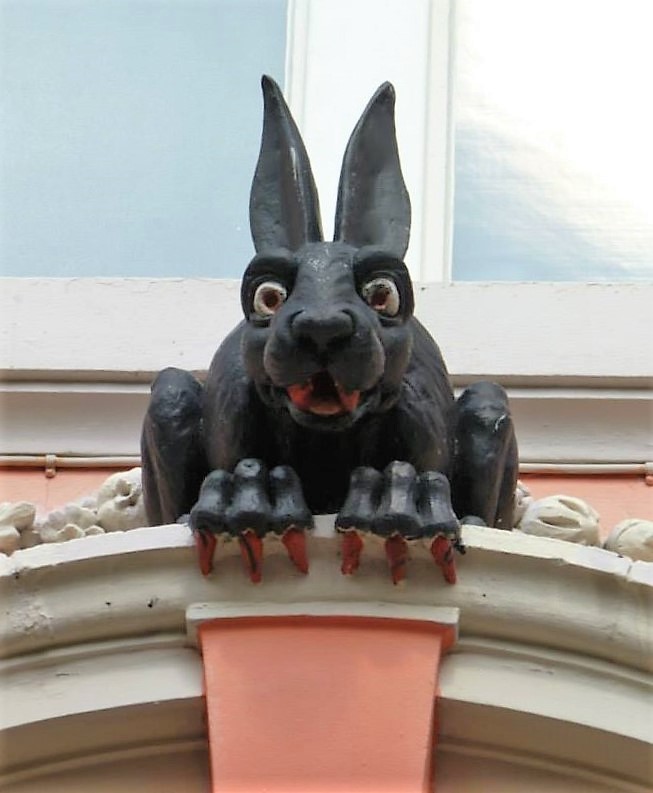
‘(As) mad as a March hare’ refers to the fact that, in the breeding season, the hare is characterised by much leaping, boxing and chasing in circles.
Read More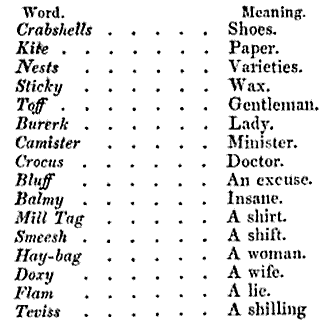
A ‘barmy’ person has a ‘frothy top’, insubstantial brains, from ‘barm’, the froth that forms on the top of fermenting malt liquors.
Read More word histories