origin of ‘to take time by the forelock’
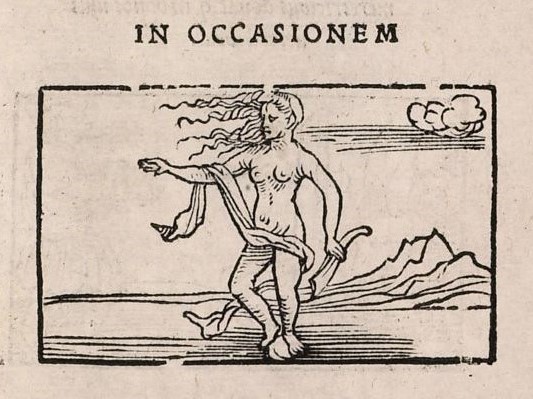
Opportunity was represented as woman completely bald except for a forelock: she can only be seized as she runs towards someone, not be caught thereafter.
Read More
“ad fontes!”
Opportunity was represented as woman completely bald except for a forelock: she can only be seized as she runs towards someone, not be caught thereafter.
Read More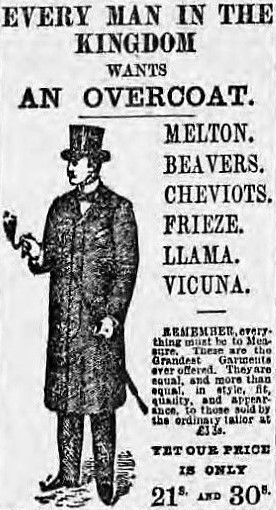
19th cent.—‘button-hold’ was probably mistaken in spoken language for a past form, hence the coinage of ‘buttonhole’ in order to match the original error
Read MoreThe noun ‘spud’, originally the name for the digging implement used to dig up potatoes, was applied to the latter in the 19th century.
Read More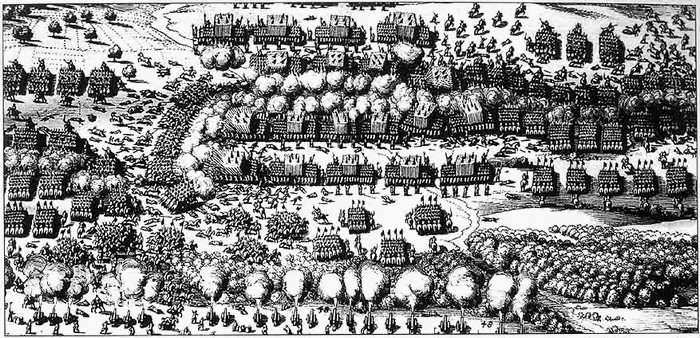
early 17th century, with ‘the Dead Sea’ and ‘the deep sea’—originated in the image of a choice between damnation (‘the Devil’) and drowning (‘the sea’)
Read Morerefers to a person making a pact with the Devil: the heavy price has to be paid in the end—unrelated to the nautical phrase ‘the devil to pay and no pitch hot’
Read More
1942—In US Air Force’s slang, ‘eager beaver’ denoted an alert and efficient student cadet, with allusion to the animal’s industriousness.
Read Morelate 17th century—probably based on the resemblance between the shape of the heart and that of a cockleshell – or of the body the shell protects
Read More
UK, 1915—humorous blend of the common noun ‘mummer’ and of the name ‘Somerset’—denotes a pseudo-rustic dialect used by actors and an imaginary rustic county.
Read More
probably British English, 1880s—to make an effort to improve or reform, ‘to pull oneself together’—based on the image of sprucing oneself up
Read More
British, 1810—to use one’s greater age or experience to deceive someone or to shirk a duty—from ‘old soldier’ meaning ‘a person much experienced in something’
Read More word histories