the cultural background to ‘Welsh rabbit’
‘Welsh’: used disparagingly by the English to denote inferior things; ‘rabbit’: common dishes were humorously called by the names of superior ones
Read More
“ad fontes!”
‘Welsh’: used disparagingly by the English to denote inferior things; ‘rabbit’: common dishes were humorously called by the names of superior ones
Read More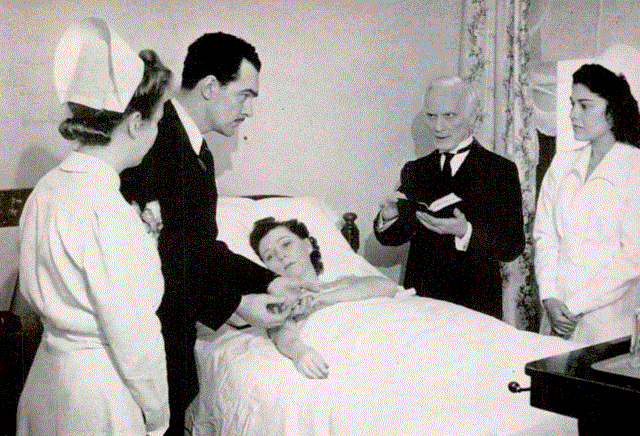
US, 1938—‘soap’: from early sponsors of such radio serials, often soap manufacturers—‘opera’: from the scale of dramatic incident that happens in these programs
Read Moresupposedly an allusion to the preparation of fabric to be worked on: once the shapes have been cut out, the tailor still has a lot of sewing to do
Read MoreFirst recorded in 1590, the term ‘lip service’ originally referred to prayer as a mere formal practice, as a sort of mechanical physical exercise.
Read More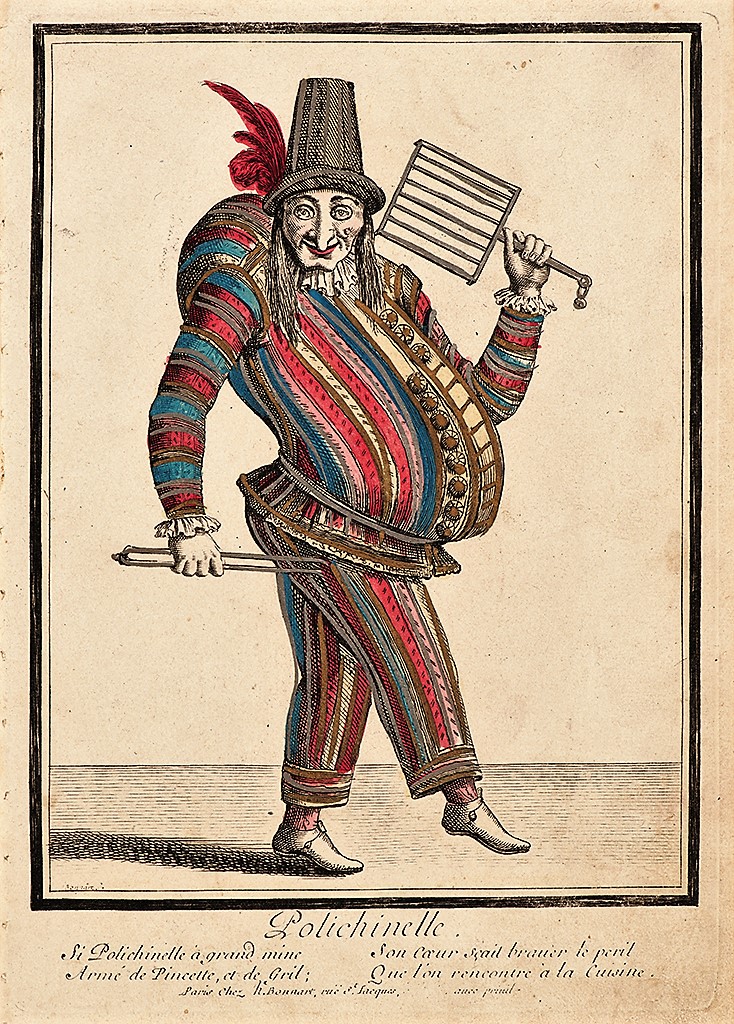
Several English and French words and phrases are ultimately derived the Latin noun ‘pullus’, meaning ‘young animal’, in particular ‘young fowl’.
Read MoreUK, 1919—possibly a mere euphemism for having too much to drink, regardless of the actual number of drinks that have been consumed (‘eight’ probably arbitrary)
Read MoreFrench—from the noun use of the Latin adjective ‘natalis’ (from Christian-Latin ‘natalis dies’, ‘day of birth’), denoting the festival of the nativity of Christ
Read More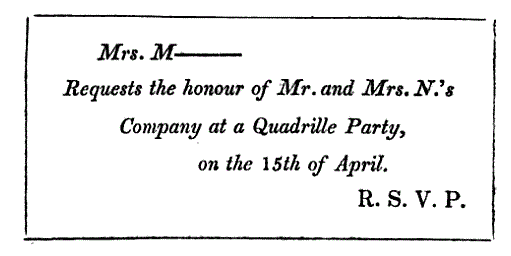
early 19th century—initialism from French ‘répondez s’il vous plaît’ (‘respond if you please’), used at the end of invitations to request a response
Read Moreorigin: a rower who does not pull the oar with a force appropriate to his or her weight fails to make the contribution expected by the rest of the crew
Read Morefrom Latin ‘Pūnica fidēs’, literally ‘Phoenician faith’, meaning ‘perfidy’, with reference to Carthage, the enemy of Rome over several centuries
Read More word histories