British English, first recorded, apparently as army slang, in 1945—probably from ‘bonk’ (= a blow on the head) and the suffix ‘-ers’ as in ‘ravers’ (from ‘raving mad’) and ‘starkers’ (from ‘stark mad’)
The literal meaning of ‘rocket science’ (USA, 1930) is the science of rockets and rocket propulsion—in the 1980s, in connexion with sports, it came to be used ironically as a generic term for anything requiring a high level of intelligence or expertise.
First recorded in 1694, ‘Peg Tantrum’ was chiefly used in the phrase ‘to go to Peg Trantum’s’, meaning ‘to go to one’s death’. This word is perhaps from ‘Peg’, rhyming form of ‘Meg’, pet form of the female forenames ‘Margery’ and ‘Margaret’, and from ‘tantrum’.
1794—from French ‘terroriste’ (1794): during the French Revolution, adherent or supporter of Robespierre’s faction, who advocated and practised the Terror (methods of partisan repression and bloodshed in the propagation of the principles of democracy and equality)
Old English ‘werewulf’ (first element identified with Old English ‘wer’, ‘man’) first used for ‘wolf’ to denote a person serving Satan (cf. Gospel of Matthew “Beware of false prophets, who come to you in sheep’s clothing, but inwardly they are ferocious wolves”)
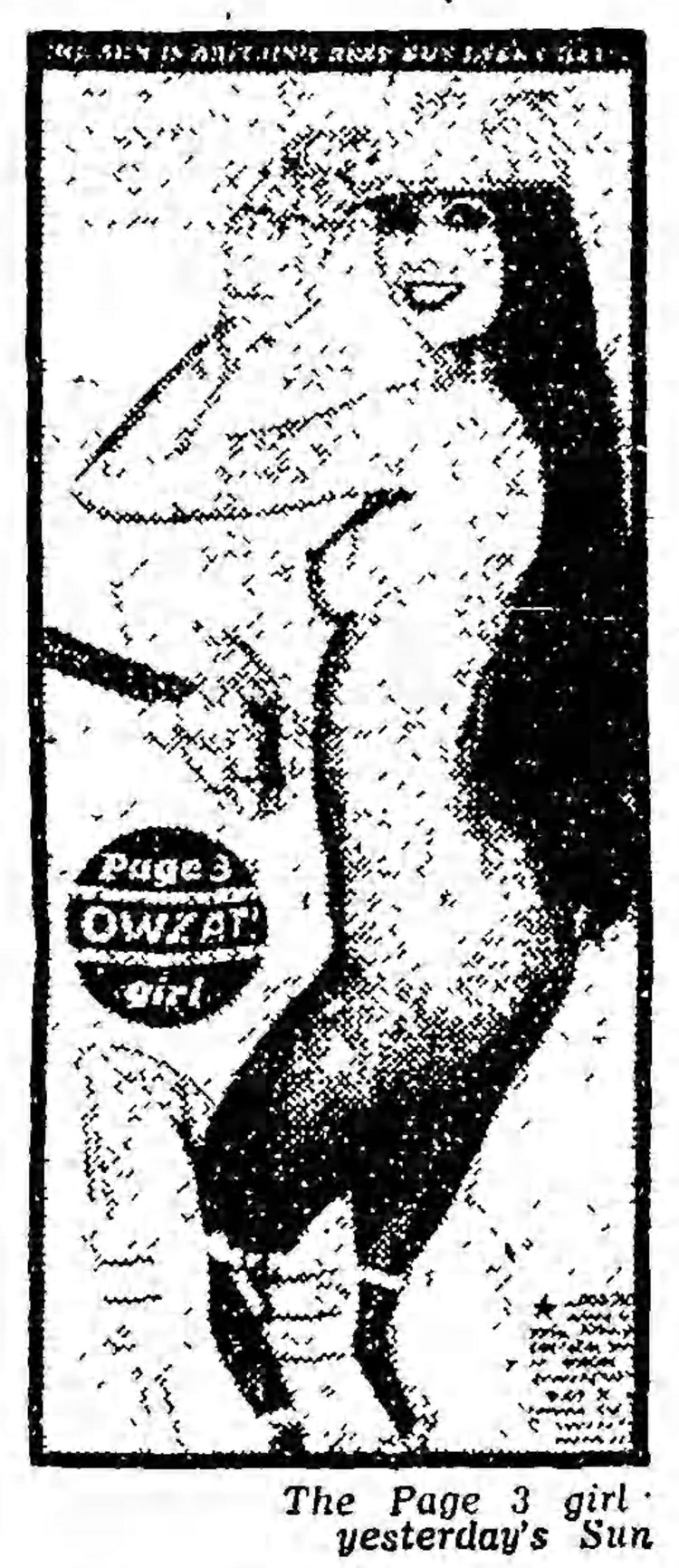
British English—‘Page Three’, or ‘Page 3’: a feature which appeared daily on page three of the British tabloid The Sun (London), and included a pin-up picture of a topless or nude young woman; this feature first appeared on 17 November 1970.
‘scruple’—from Latin ‘scrūpŭlus’, literally ‘a small sharp or pointed stone’—probably because such stones used to get into the open shoes of the Romans, ‘scrūpŭlus’ came to denote ‘a pricking, uneasy sensation’, hence ‘trouble’, ‘doubt’, ‘scruple’
UK, 1819—specifically invented to qualify the English poet and critic William Gifford with reference to the fact that he had been a shoemaker’s apprentice—alludes to the proverb ‘let the cobbler stick to his last’ from Pliny’s Natural History (AD 77)
USA, 1956—acronym from ‘white Anglo-Saxon Protestant’—‘Wasp’, or ‘WASP’: a person who belongs to, or is thought of, as being part of a white, upper middle-class, northern European, Protestant group that dominates economic, political and cultural activity in the USA
A diminutive of ‘pūpa’ (‘a girl’, in transferred use also ‘a doll’), the Latin feminine noun ‘pūpilla’ came to also denote ‘the pupil of the eye’ on account of one’s own reflection seen when looking into somebody’s eye—the same metaphor underlies ‘to look babies in somebody’s eyes’.

 word histories