origin of ‘watershed’ as used about British television
UK, 1962—the time after which programmes unsuitable for children are broadcast on television—from the image of a dividing line between two different sorts of programmes
Read More
“ad fontes!”
UK, 1962—the time after which programmes unsuitable for children are broadcast on television—from the image of a dividing line between two different sorts of programmes
Read MoreUK, 1788—denotes an auction in which the price is lowered by stages until a buyer is found—said to have been invented by the Dutch specifically as the best solution to selling tulip bulbs
Read More‘double Dutch’, 19th century—from ‘Dutch’ in the sense of a language that few people can speak, and ‘double’ as a mere intensifier—‘High Dutch’, 17th century—loan translation from French ‘haut allemand’ (= ‘High German’), used in the sense of gibberish
Read MoreUSA—‘to go Dutch’ (1907): to have every participant pay their own expenses, or share expenses equally—via ‘to go Dutch treat’ (1887), from ‘Dutch treat’ (1873): a meal, etc., at which each participant pays their share of the expenses—from a German practice
Read MoreUK, 1797—strength or confidence gained from drinking alcohol—alludes to the drinking habits ascribed to the Dutch—one of the phrases in which ‘Dutch’ is used derogatorily, largely because of the enmity between the English and the Dutch in the 17th and 18th centuries
Read MoreUK, 1967—chiefly British—‘bums on seats’: the members of an audience, at a theatre, cinema or other place of entertainment, especially when viewed as a source of income
Read More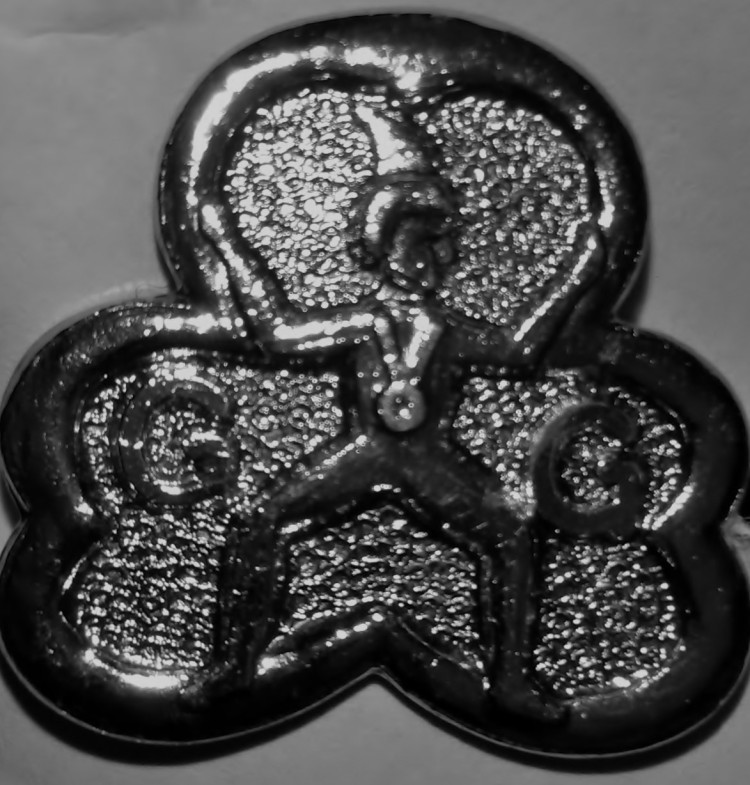
1916—from ‘brownie’, i.e. a benevolent elf that supposedly haunts houses and does housework secretly—not from the fact that the uniform of the junior Girl Scouts and Girl Guides is brown
Read More
first recorded in the Los Angeles Times (California) of 15 March 1951—possibly from ‘brownie’ in the sense of ‘a benevolent elf that supposedly haunts houses and does housework secretly’
Read MoreUSA, 1950s—The noun ‘doggy (or doggie) bag (or pack)’ denotes a bag, provided on request by the management of a restaurant, in which a diner may take home any leftovers; apparently, these leftovers were originally intended for the diner’s pet dog.
Read More
late 16th century—from early modern Dutch ‘maelstrom’ (now ‘maalstroom’)—originally a proper name designating a powerful whirlpool in the Arctic Ocean, off the west coast of Norway, which was formerly supposed to suck in and destroy all vessels within a wide radius
Read More word histories