‘bedside manner’: originally applied to fashionable ladies’ doctors

UK, 1849—in the medical profession, appearances, among which a good bedside manner, prevailed over qualifications
Read More
“ad fontes!”
UK, 1849—in the medical profession, appearances, among which a good bedside manner, prevailed over qualifications
Read MoreUK, 1831—In ‘beer and skittles’, denoting unmixed enjoyment, the image is of a person drinking beer while playing skittles.
Read More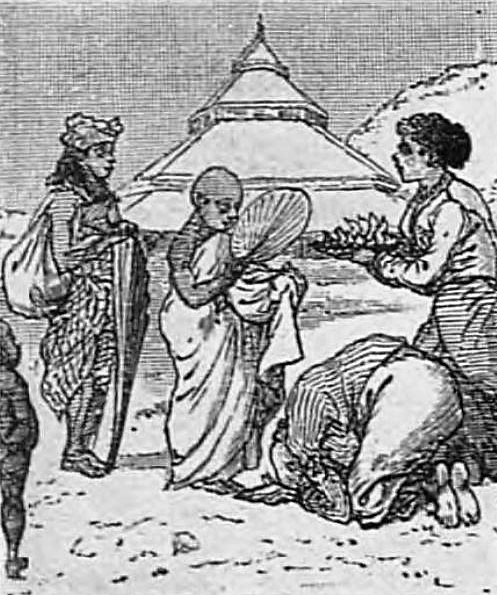
used in reference to a grovelling or obsequious appeal for financial help (1903)—originally a bowl carried by a Buddhist monk to receive food (1878)
Read More1718—to sacrifice one’s principles for the sake of conformity—from 2 Kings, where Naaman seeks permission from Elisha to worship the Aramaean god Rimmon
Read More
USA, 1946—to be completely unaware or innocent—from ‘Shinola’, the trade name of an American brand of shoe polish
Read More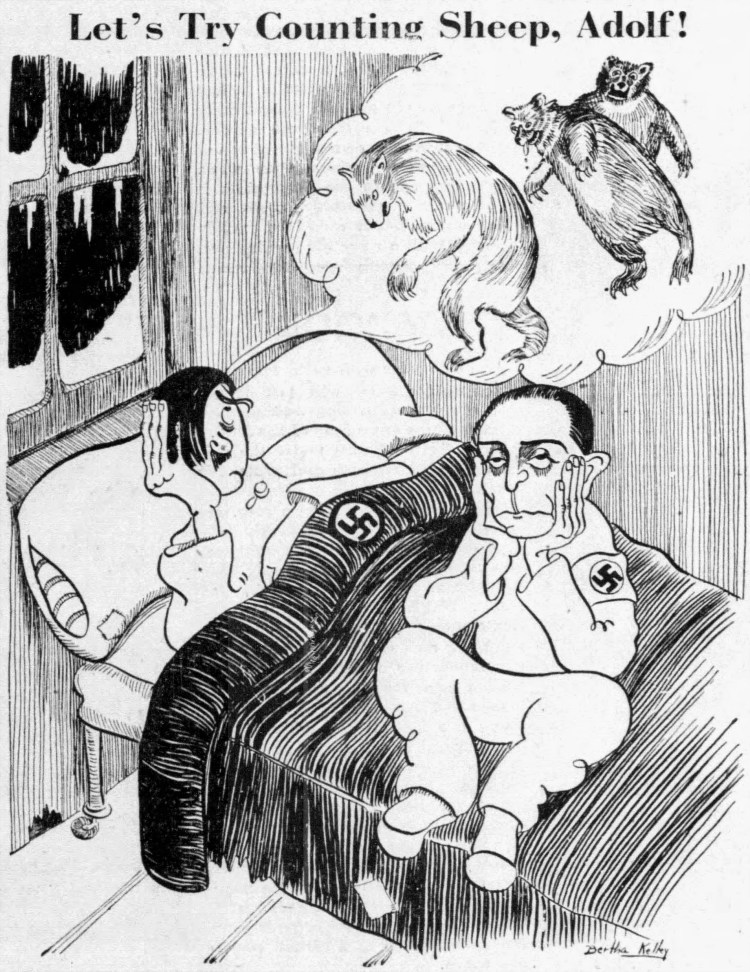
‘to count sheep’ (French ‘compter les moutons’): to count imaginary sheep jumping over an obstacle one by one, as a way of sending oneself to sleep
Read Morecomparison between a drunken person and a ship careering because the sheets (ropes controlling the sets of the sails) are hanging freely
Read MoreUK, 1912—from the prayer “From Ghoulies and Ghoosties, long-leggety Beasties, and Things that go Bump in the Night, Good Lord, deliver us!”
Read More‘like a bull in a china shop’ (UK, 1802)—French equivalent with ‘elephant’ instead of ‘bull’ (1849)
Read Moreoriginated in the mistranslation by Erasmus of Greek ‘skáphē’ (meaning anything hollowed out) as a word denoting a digging tool
Read More word histories