‘to give up the ghost’ (to breathe one’s last)
attested in the Later Version (1395) of the Wycliffe Bible—‘ghost’ means ‘the soul or spirit, as the principle of life’
Read More
“ad fontes!”
attested in the Later Version (1395) of the Wycliffe Bible—‘ghost’ means ‘the soul or spirit, as the principle of life’
Read Morefrom Old French and Anglo-Norman ‘aveir de peis’, ‘goods of weight’, as distinguished from the goods sold by measure or number
Read Morepayday—UK, 1831, theatrical slang—from ‘Hamlet’, where Horatio asks the Ghost if he walks because he has “hoorded treasure in the wombe of earth”
Read More18th-century instances of ‘Indian summer’ in addition to the earliest one—including a 1791 figurative use of the term
Read Moreappeared as a London catchphrase in 1897—not from the title and refrain of an 1898 song
Read Morefirst recorded in The Biglow Papers (1848), by American author James Russell Lowell—based on the notion of leaving one’s hat behind in a rush of impetuosity
Read MoreUSA, 1906—popularised by a telegram sent to boxer Joe Gans by his mother, requesting him before a fight to win and ‘bring home the bacon’
Read MoreUSA, 1891—a passenger in the rear seat of a car who gives the driver unwanted advice; hence, figuratively, a person who is eager to advise without responsibility
Read More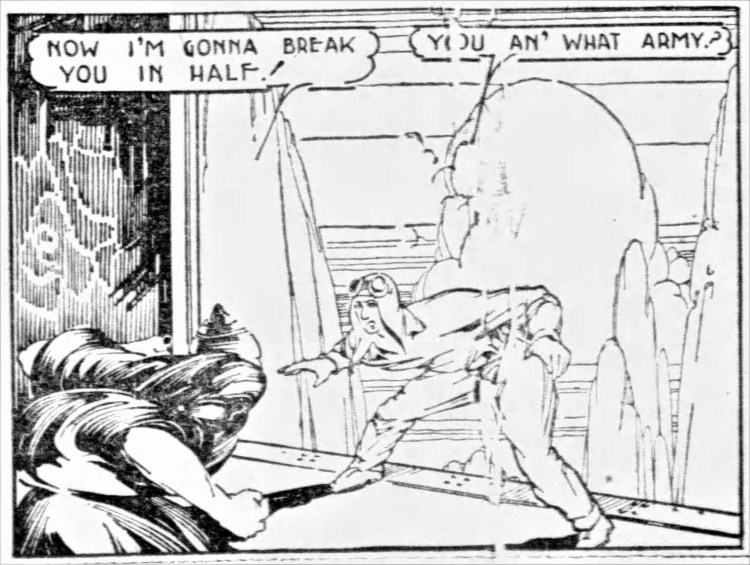
USA, 1929—‘you and whose army?’, or ‘you and what army?’: used to question a person’s ability to carry out a threat or challenge unaided
Read MoreUSA, 1920—‘(as) American as apple pie’: typically American in character—‘apple pie’ being here a symbol of American motherhood and traditional family values
Read More word histories