meaning and origin of the phrase ‘bread and circuses’
UK, 1869—inaccurate translation of Latin ‘panem and circenses’ (literally ‘bread and circus games’) as used by the Roman poet Juvenal
Read More
“ad fontes!”
UK, 1869—inaccurate translation of Latin ‘panem and circenses’ (literally ‘bread and circus games’) as used by the Roman poet Juvenal
Read Moreletter of thanks for hospitality: ‘bread-and-butter letter’ (USA, late 19th century) – ‘Collins’ (UK, early 20th century, from the name of William Collins in Jane Austen’s Pride and Prejudice)
Read MoreThe image of one’s bread getting or being buttered has long been used to denote getting or having benefits, advantages.
Read MoreAfter ready-sliced bread was introduced, improvements in the baking industry were assessed by comparison with it—hence the figurative use of ‘since sliced bread’
Read MoreUSA, 1931—phrase based on the phonetic similarity of the two words that compose it—implies lack of discrimination
Read More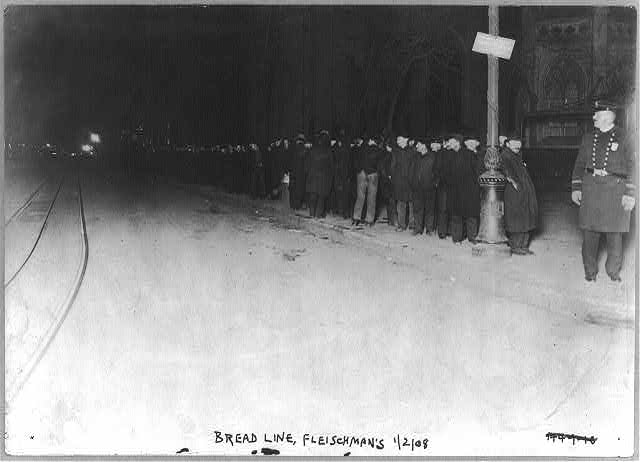
originally (late 19th century) the queue of needy men waiting to be given bread outside Fleischmann’s Vienna Model Bakery, Broadway, New York City
Read More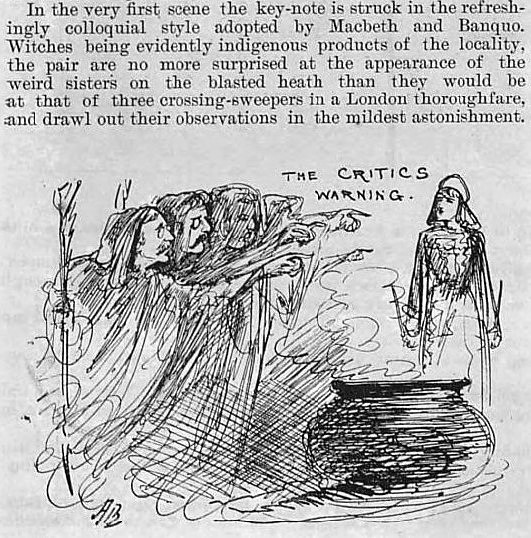
early 20th century—according to theatrical superstition, ‘Macbeth’ is a very unlucky play—the origin of this belief is unknown
Read More‘crumbs from a rich man’s table’—late 18th century—from the parable of the rich man and Lazarus in the gospel of Luke, 16:19-31
Read More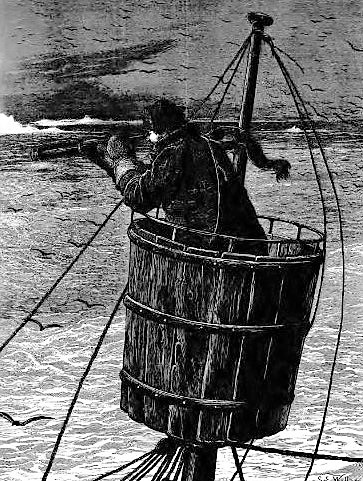
UK, early 19th century—The invention of the crow’s nest is attributed to the Arctic whaler William Scoresby Senior (1760-1829).
Read MoreAttested in 1761, ‘as the crow flies’ originally referred to the interior of a country; it did not originate in a practice of early navigation at sea.
Read More word histories