meaning and origin of ‘given away with a pound of tea’
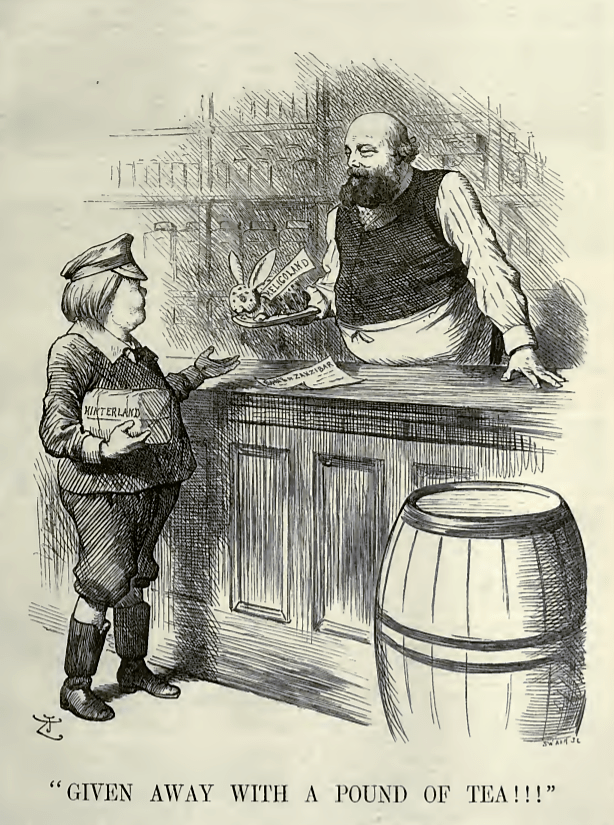
UK, 1881—used of something considered tawdry—from the grocers’ former practice of making a free gift with every pound of tea or with any fair-sized order
Read More
“ad fontes!”
UK, 1881—used of something considered tawdry—from the grocers’ former practice of making a free gift with every pound of tea or with any fair-sized order
Read More
1983—a mystery man whom the British journalist Alan Rusbridger challenged (as a prank) The Guardian’s readers to identify in order to claim a £10 book token
Read More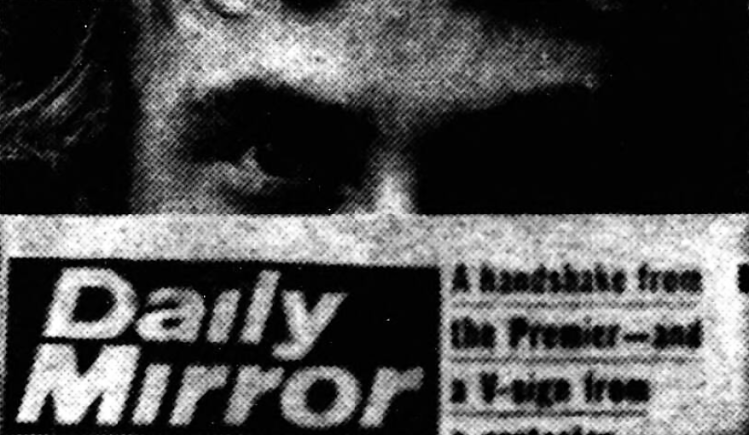
1973—a mystery man the Daily Mirror has challenged its readers to identify in order to claim prize money—‘Chalkie’ typical epithet for people surnamed ‘White’
Read More
said as a jest after the departure of a person or persons regarded as untrustworthy—apparently coined by the English lexicographer Samuel Johnson (1709-1784)
Read More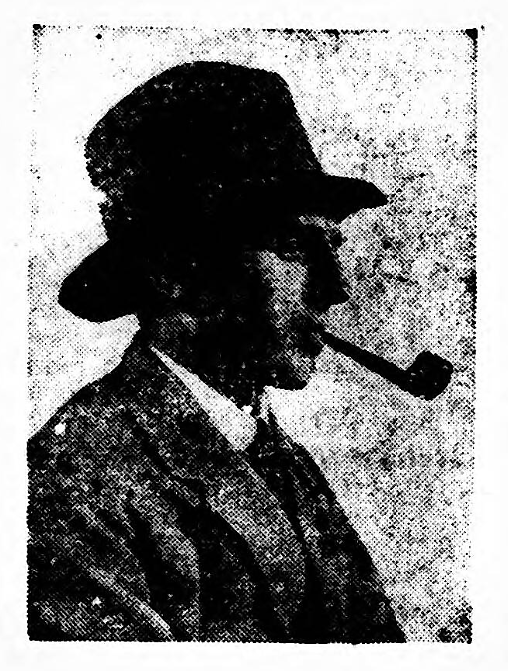
1927—a mystery man The Westminster Gazette’s readers were challenged to identify in order to claim prize money—‘Lobby Lud’: the Gazette’s telegraphic address
Read More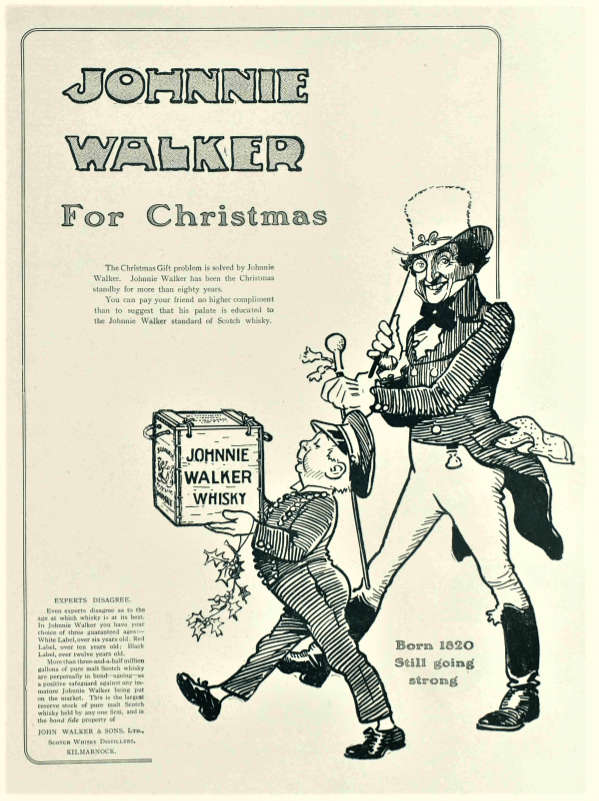
UK, 1910—extended form of ‘going strong’ (continuing to be healthy, vigorous or successful)—from the advertising slogan for Scotch whisky Johnnie Walker
Read More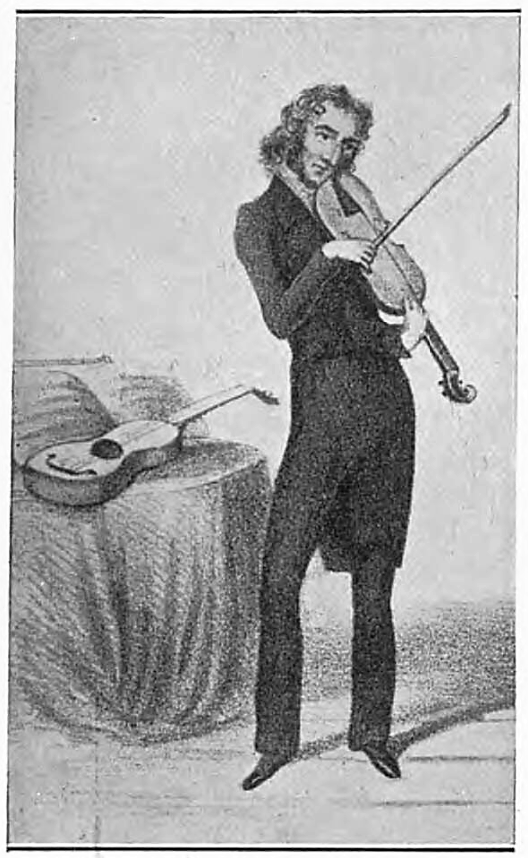
USA, 1929—said to a man to mean ‘you need a haircut’—from the conventional image of male musicians wearing their hair long
Read MoreUSA, 1944—sarcastic remark used in exasperation at an impatient motorist who persistently toots their horn—likens the motorist to a child in a toy car
Read MoreUK and USA, World War One—borrowing from French, literally ‘it is war’—expresses acceptance of, or resignation at, the situation engendered by war
Read More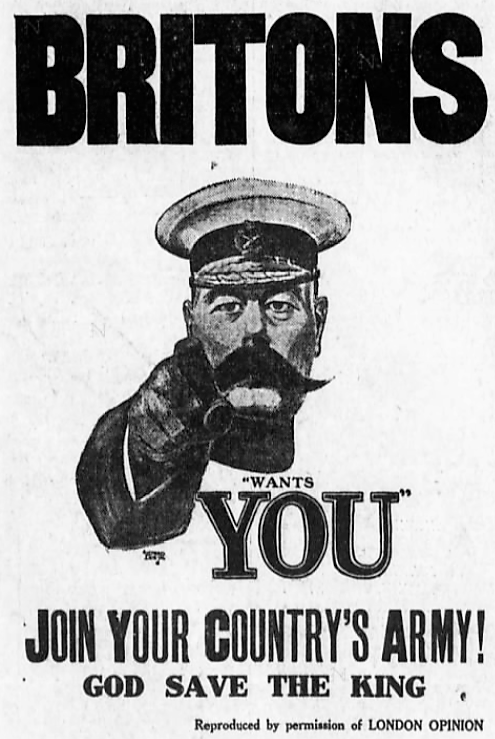
UK, 1914—from a poster showing Lord Kitchener, Secretary of State for War, used in the recruitment campaign at the beginning of World War One
Read More word histories