meaning and origin of the phrase ‘jam and Jerusalem’
UK, 20th century—the Women’s Institutes—‘jam’, from jam-making as a typical activity practised by members—‘Jerusalem’, the hymn that members sing at meetings
Read More
“ad fontes!”
UK, 20th century—the Women’s Institutes—‘jam’, from jam-making as a typical activity practised by members—‘Jerusalem’, the hymn that members sing at meetings
Read MoreUK, 1909—used when the dividing walls between adjacent houses or flats are thin—also used of the passage of sound between floors
Read More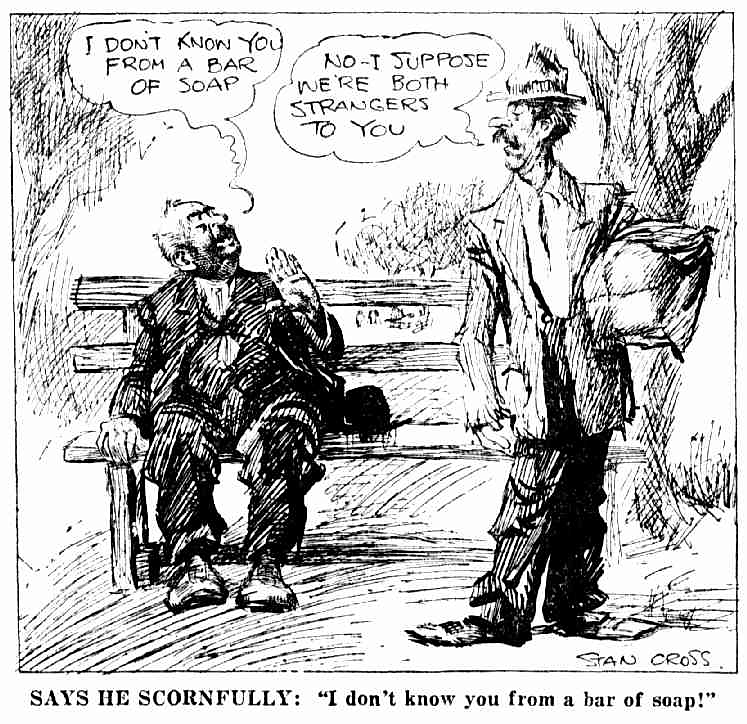
to be completely unacquainted with someone or something—most earliest uses (late 19th century) in U.S. publications, but a few in Australian publications
Read More
1950—used of a substance causing death or illness, and by extension of something powerful or disastrous—refers to red kelpie sheep dogs, who can ingest anything
Read More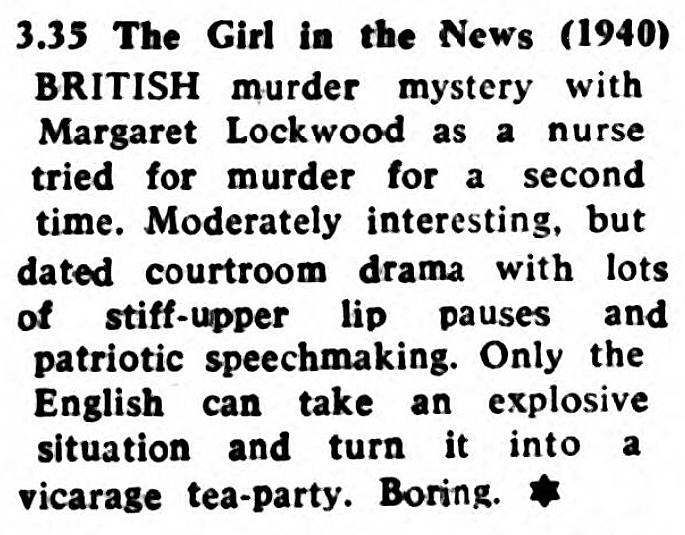
20th century—denotes something mild, innocuous or uneventful—but those notions have been associated with vicarage tea-parties since the 19th century
Read More
20th century—originally a precautionary stipulation in announcements of events such as church fêtes—hence used humorously of any forthcoming event
Read More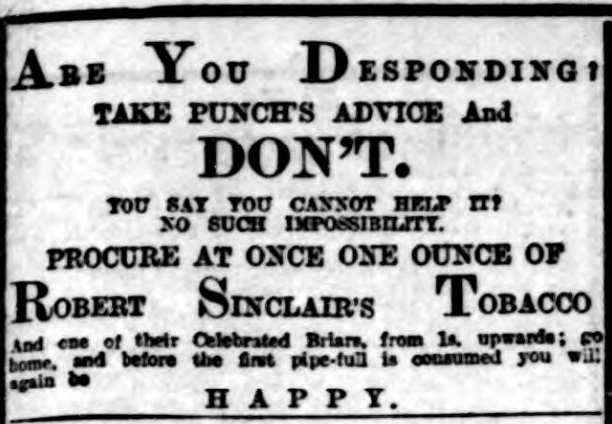
from “advice to persons about to marry—don’t”, published in ‘Punch’s Almanack for 1845’ (24 December 1844) by the magazine ‘Punch, or the London Charivari’
Read More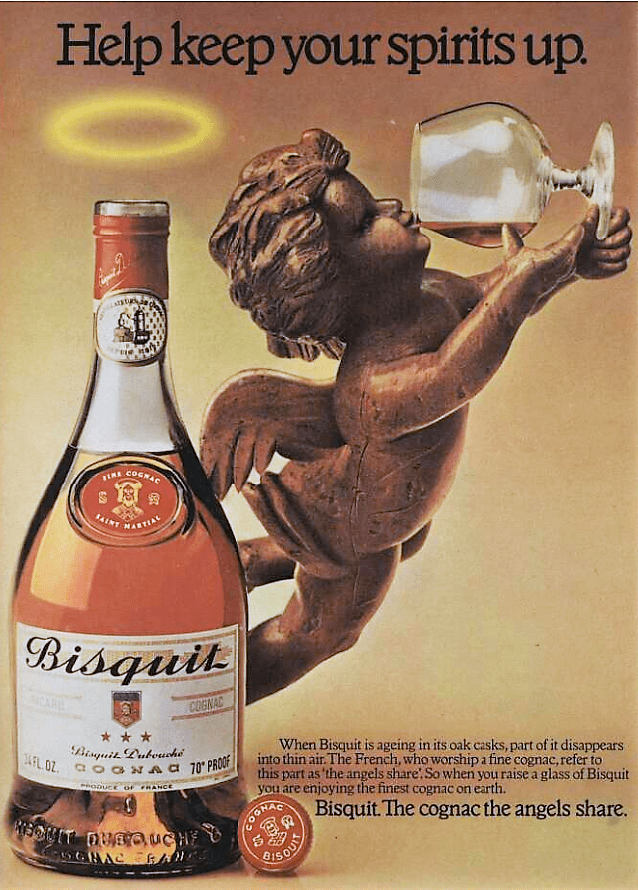
UK, 1970—the quantity of distilled spirits lost to evaporation while ageing in wooden casks; the vapours resulting from this process—calque of French ‘la part des anges’
Read More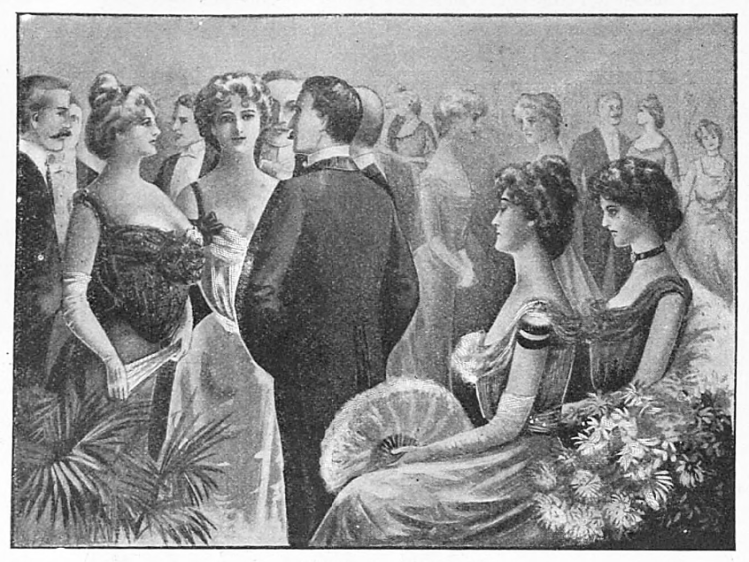
UK 1801 ‘wallflower’—France 1806 ‘faire tapisserie’ (= ‘to do tapestry’)—in both cases because the person keeps their seat at the side of a room during dancing
Read MoreAustralia, 1969—used to denote a fast-moving person or situation—alludes to the quickness with which a bride’s nightdress comes off on the wedding night
Read More word histories