meaning and origin of ‘Dickin Medal’

UK, 1943—a medal awarded to an animal in recognition of an act of bravery—named after M. E. Dickin, founder of the People’s Dispensary for Sick Animals in 1917
Read More
“ad fontes!”
UK, 1943—a medal awarded to an animal in recognition of an act of bravery—named after M. E. Dickin, founder of the People’s Dispensary for Sick Animals in 1917
Read Moreto come to the point—in Shakespeare’s ‘Hamlet’, the title role urges an actor to go straight to Hecuba’s reaction to her husband’s killing
Read MoreUK, 1950s—used among schoolgirls when one’s petticoat was showing (origin unknown)—synonyms: ‘it’s snowing again’, ‘you’re showing next week’s washing’
Read More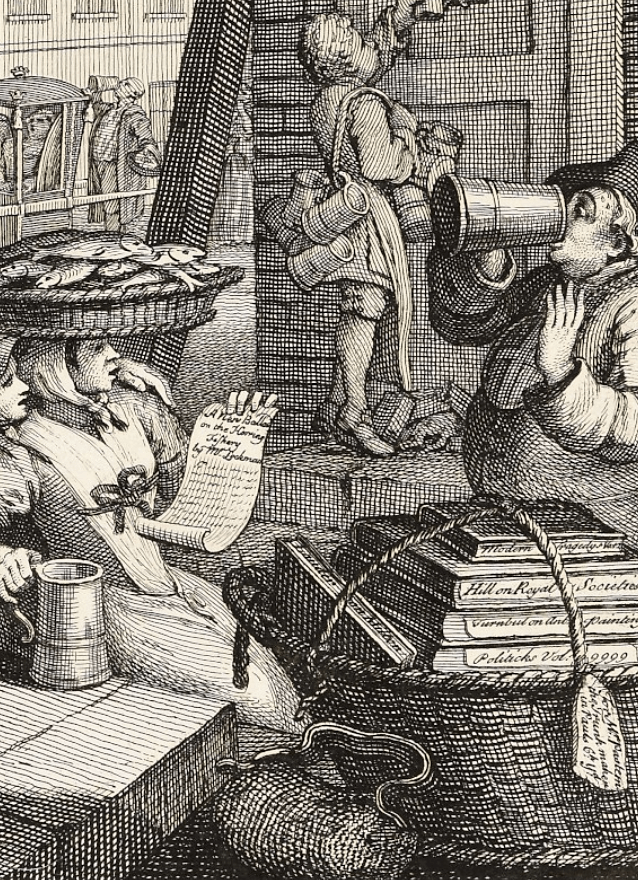
UK, 18th and 19th centuries—‘trunkmaker’ was often employed with allusion to the use of the sheets of unsaleable books for trunk-linings
Read MoreUK, 20th century—the Women’s Institutes—‘jam’, from jam-making as a typical activity practised by members—‘Jerusalem’, the hymn that members sing at meetings
Read MoreUK, 1909—used when the dividing walls between adjacent houses or flats are thin—also used of the passage of sound between floors
Read More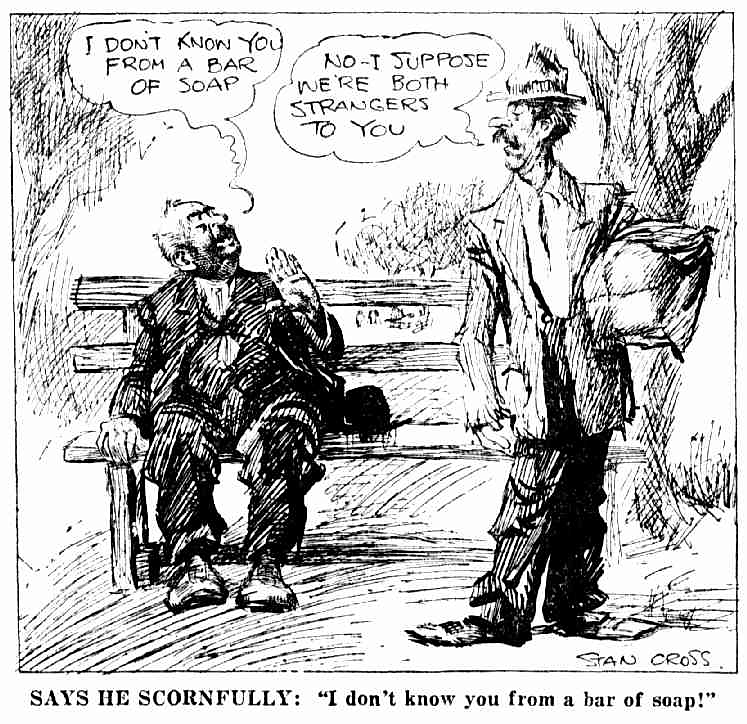
to be completely unacquainted with someone or something—most earliest uses (late 19th century) in U.S. publications, but a few in Australian publications
Read More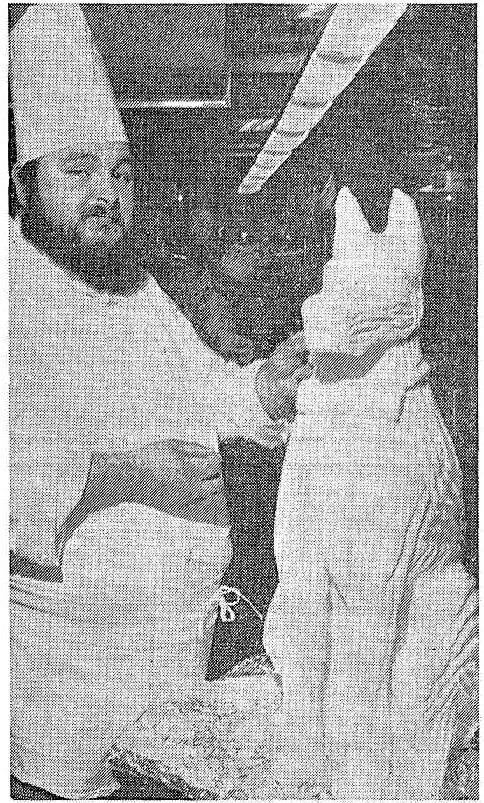
1950—used of a substance causing death or illness, and by extension of something powerful or disastrous—refers to red kelpie sheep dogs, who can ingest anything
Read More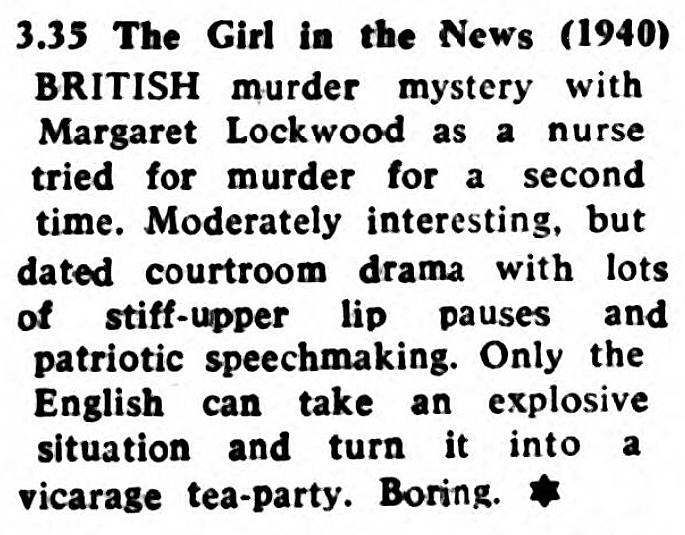
20th century—denotes something mild, innocuous or uneventful—but those notions have been associated with vicarage tea-parties since the 19th century
Read More
20th century—originally a precautionary stipulation in announcements of events such as church fêtes—hence used humorously of any forthcoming event
Read More word histories