‘my name is Simpson, not Samson’: meaning and origin
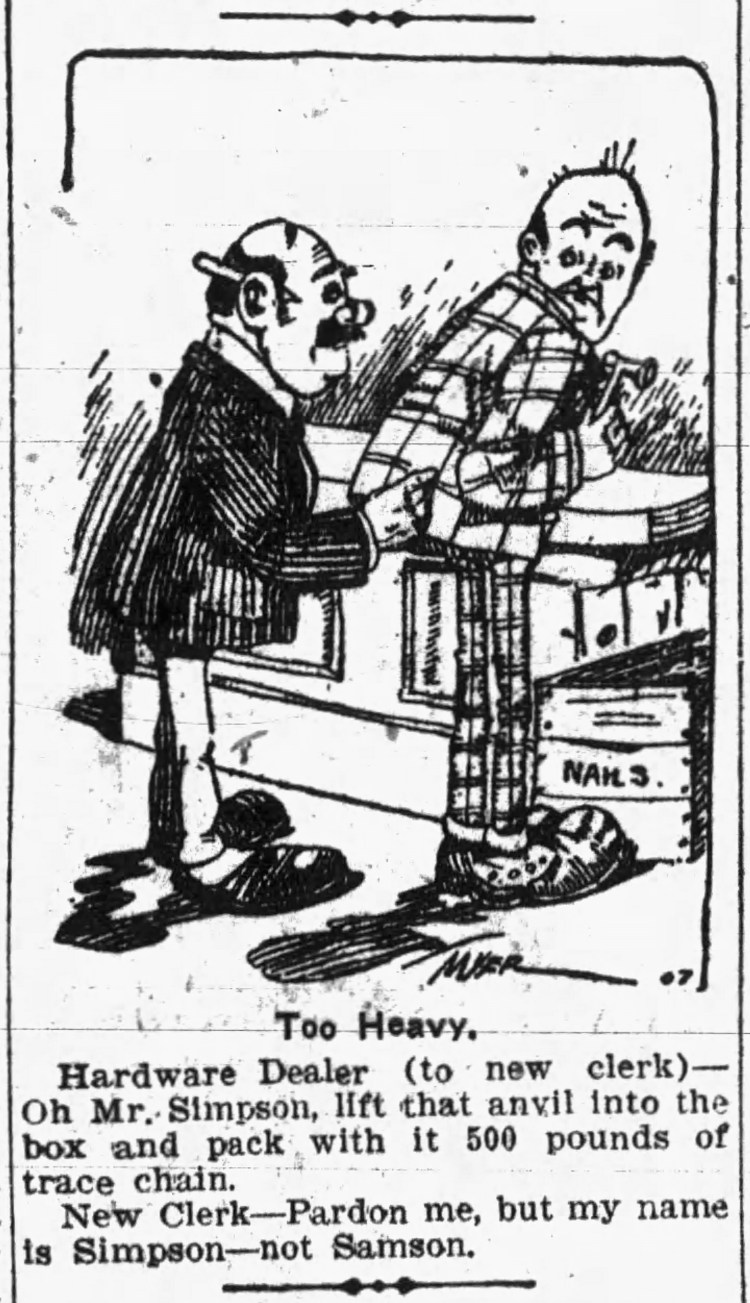
UK, 1906—used by a workman asked to lift too heavy an object—‘Simpson’ chosen for its similarity with ‘Samson’, the name of a biblical hero of enormous strength
Read More
“ad fontes!”
UK, 1906—used by a workman asked to lift too heavy an object—‘Simpson’ chosen for its similarity with ‘Samson’, the name of a biblical hero of enormous strength
Read More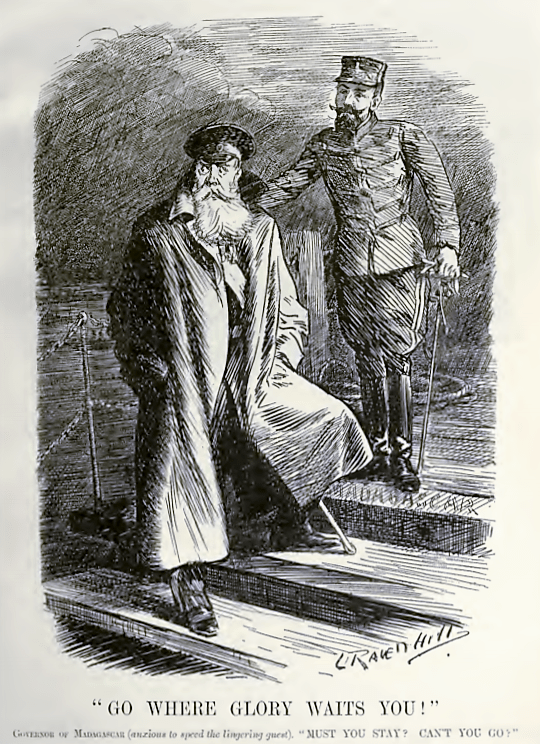
UK, 1897—alteration of ‘must you go? can’t you stay?’ in Collections and Recollections, by G. W. E. Russell—originally used in reference to guests’ departure
Read More
1) a seemingly devout or respectable person who lacks virtue—2) (with a pun on ‘holey’, i.e., full of holes) jocularly applied to holey things such as clothes
Read MoreUK, 1907—the ideal of an unmarried woman—the phrase was especially used when offering to an unmarried woman the last cake or piece of bread from a plate
Read More
jocularly denotes a performance of Shakespeare’s Hamlet in its entirety—UK, 1946—all occurrences from articles by theatre critic J. C. Trewin (1908-1990)
Read MoreUK, 1825—the Scots, allegedly verminous, were said to rub themselves against posts erected by the Duke of Argyll and to bless the Duke when doing so
Read More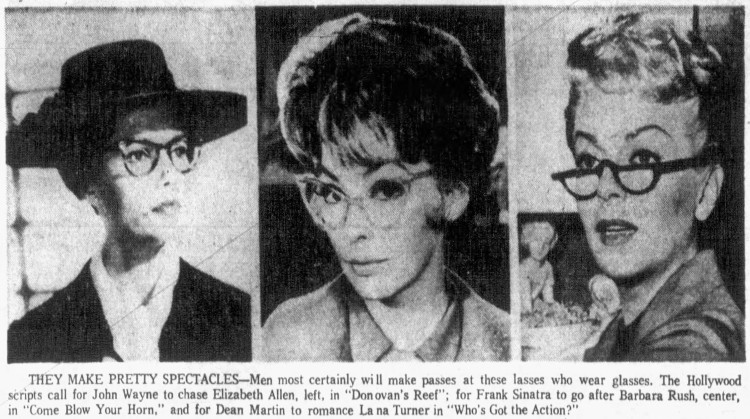
USA—from two-line poem ‘News Item’ (1926), by Dorothy Parker—has given rise to jocular variants, especially playing on ‘glasses’ (eyewear/drinking containers)
Read More
used of a person whose display of distress misleads others into underestimating this distress—UK, 1962—from ‘Not Waving but Drowning’ (1954), by Stevie Smith
Read Moremeaning: ‘for a very long time’—UK, 1944—with a pun on ‘Pilate’, originated in the British Royal Air Force during the Second World War
Read Moreexpresses distrust at air or sea travel—USA, 1926—with a pun on ‘terror’, jocularly decouples from each other the components of ‘terra firma’ (firm land)
Read More word histories