‘busman’s holiday’: meaning and origin
UK, 1888—a holiday spent doing the same sort of thing as one does at work—apparently from the busmen’s habit of spending their days off riding on friends’ buses
Read More
“ad fontes!”
UK, 1888—a holiday spent doing the same sort of thing as one does at work—apparently from the busmen’s habit of spending their days off riding on friends’ buses
Read More
USA, 1959—a summary of social life in Washington DC, especially for aged men—attributed by columnist Betty Beale to Columbia University President Grayson Kirk
Read More
UK, 1973—refers to a woman’s breasts as revealed e.g. by a very low-cut dress, or to (the contours of) a woman’s genitals as revealed e.g. by a very short skirt
Read More
I am happy with my situation (so much so that even becoming royalty could not improve on it)—UK, 1843 as ‘I would not give sixpence to call the Queen my aunt’
Read More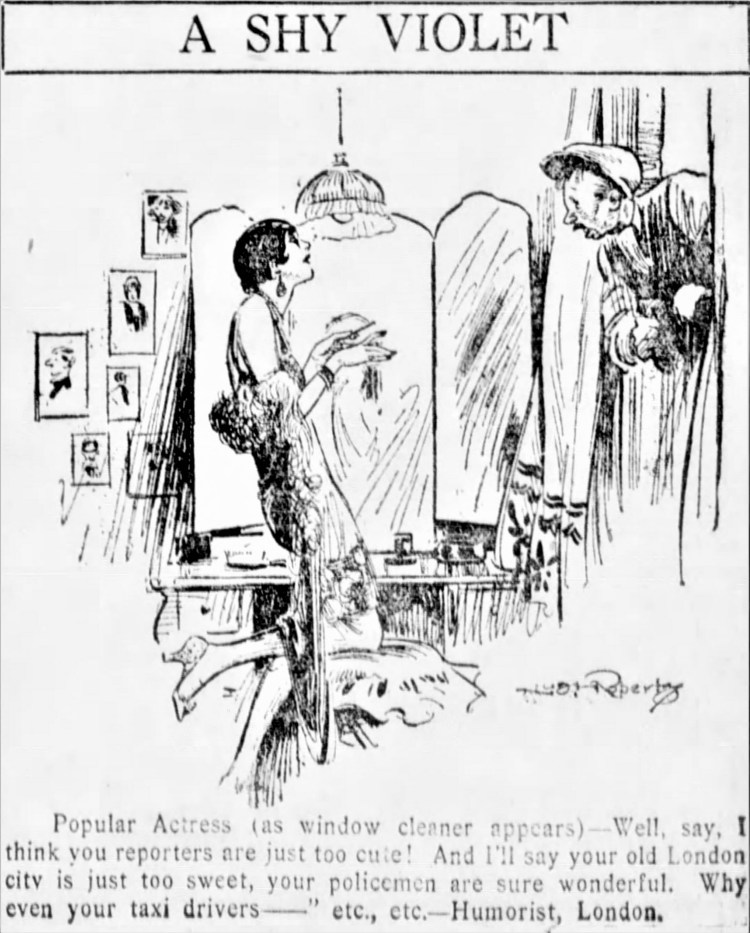
1928—used of British police officers, chiefly those of London, by persons, mostly women, visiting the United Kingdom—became rapidly a cliché used jocularly
Read More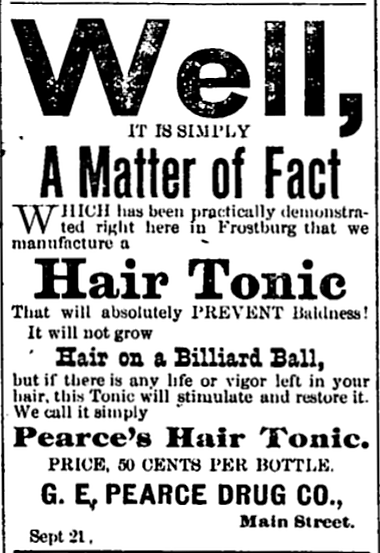
to achieve the impossible—USA, 1881—originally and chiefly used with reference to hair loss treatment
Read More
extremely slow—USA, 1874—in Christian theology, the Second Coming of Christ is the prophesied return of Christ to Earth at the Last Judgement
Read More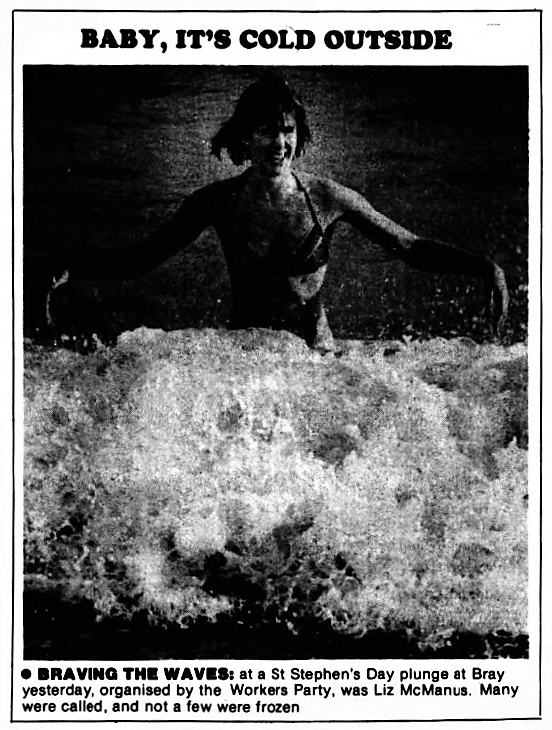
USA, 1885—humorous alteration of ‘many are called (but) few are chosen’, which refers to The Parable of the Workers in the Vineyard (gospel of Matthew, 20:1-16)
Read More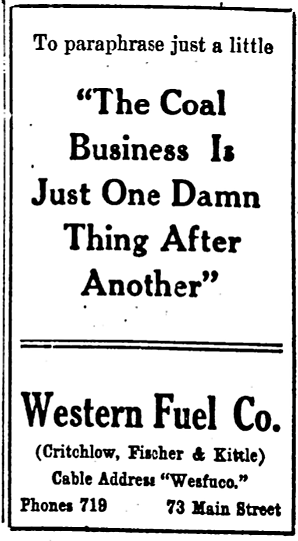
USA, 1909—first with grammatical subject ‘life’, meaning ‘life consists of a succession of unpleasant or unlucky events’—then with other grammatical subjects
Read Moredon’t be so niggardly with your money—USA, 1935—the image is of moths that are living in a purse or wallet because it is not frequently opened
Read More word histories