a soccer phrase: ‘where’s your white stick?’
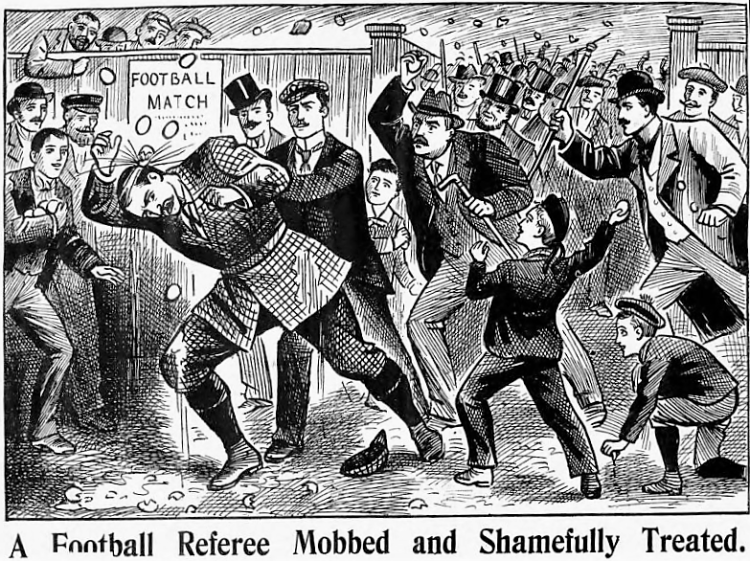
UK, 1935—used to express disagreement with the referee during a soccer match—alludes to the white walking stick carried by a blind person
Read More
“ad fontes!”
UK, 1935—used to express disagreement with the referee during a soccer match—alludes to the white walking stick carried by a blind person
Read More
USA, 1934—addressed, often with ironic pity, to someone who has had an arduous day—from very popular 1934 song, ‘Little Man, You’ve Had a Busy Day’
Read More
children are inclined to eavesdrop; used as a warning (“children are listening”)—USA, 1901—perhaps a modification of synonymous ‘little pitchers have big ears’
Read More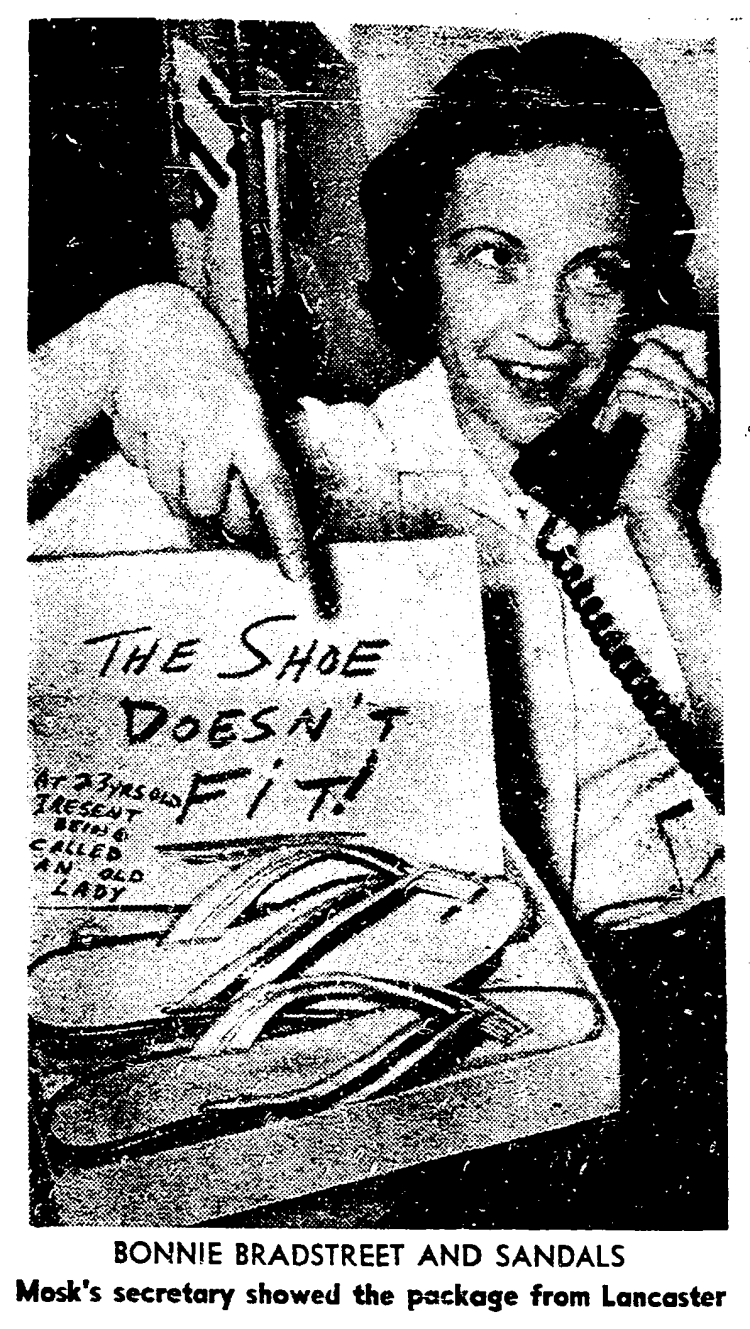
USA, 1961—coined by Howard Jewel, Assistant Attorney General, Sacramento, California, as a description of female members of the John Birch Society
Read More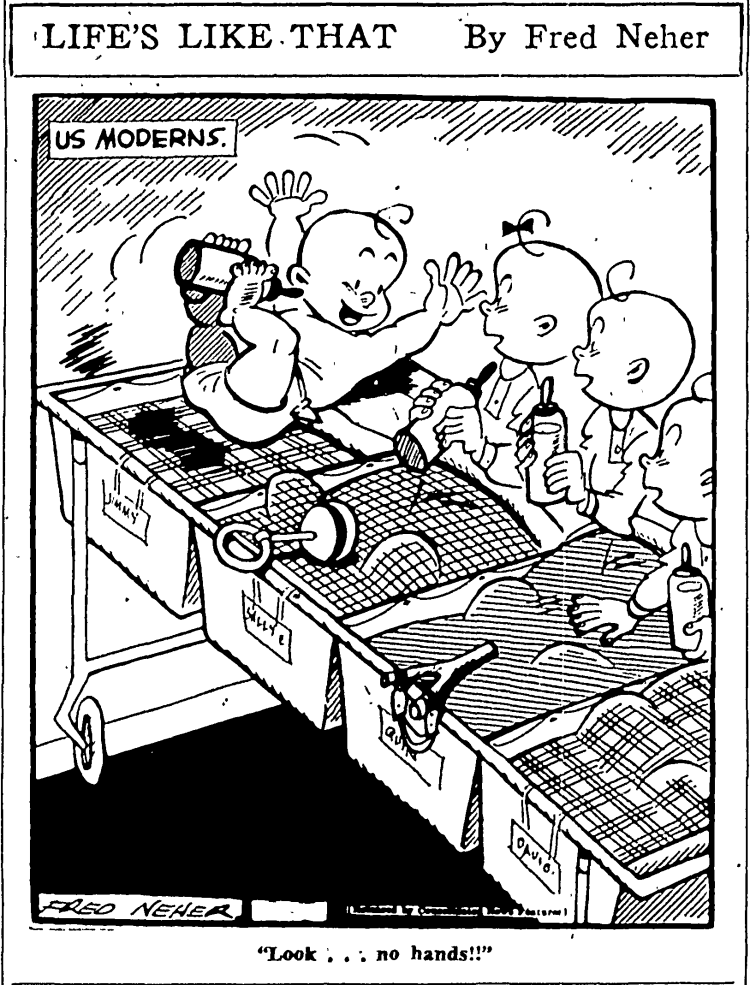
used of something done cleverly—British and American—originated as the proud exclamation of a child riding a bicycle with no hands on the handlebars
Read More
fine—USA, 1950—probably coined by comedian Jerry Lester on the late-night television variety series Broadway Open House, telecast from 29 May 1950 onwards
Read More
American English 1921–British and Irish English 1923—although it was already a cliché, ‘schoolgirl complexion’ was popularised by the advertising slogan for Palmolive Soap
Read More
great vitality, enthusiasm and liveliness—UK, 1922—originally (from 1921 onwards) used in the advertisements for Kruschen Salts
Read Moreused to express satisfaction when a task that has called for more than usual enterprise and determination has been accomplished—UK, 1833
Read More
one is experiencing remarkably good fortune; one has everything one could have wished or hoped for—Australia, 1932
Read More word histories