19th-century nicknames for London newspapers
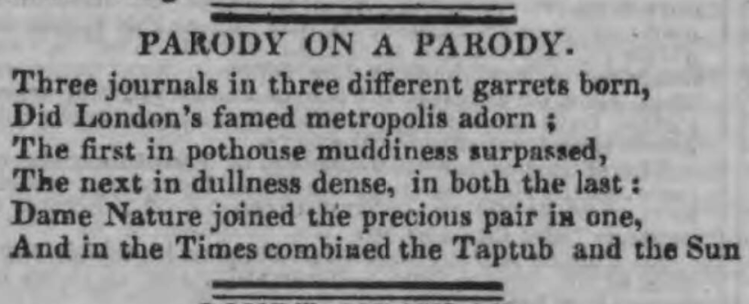
The Times: nicknamed Thunderer—the Morning Advertiser: Gin-and-Gospel Gazette, Tap-tub—The Morning Post: Jeames—The Morning Herald and The Standard: respectively Mrs Harris and Mrs Gamp
Read More
“ad fontes!”
The Times: nicknamed Thunderer—the Morning Advertiser: Gin-and-Gospel Gazette, Tap-tub—The Morning Post: Jeames—The Morning Herald and The Standard: respectively Mrs Harris and Mrs Gamp
Read Moresatirical of British insularity (describes Continental Europe as being cut off from the British Isles)—UK 1930, USA 1931—allegedly originated in a newspaper headline, but this is probably apocryphal
Read More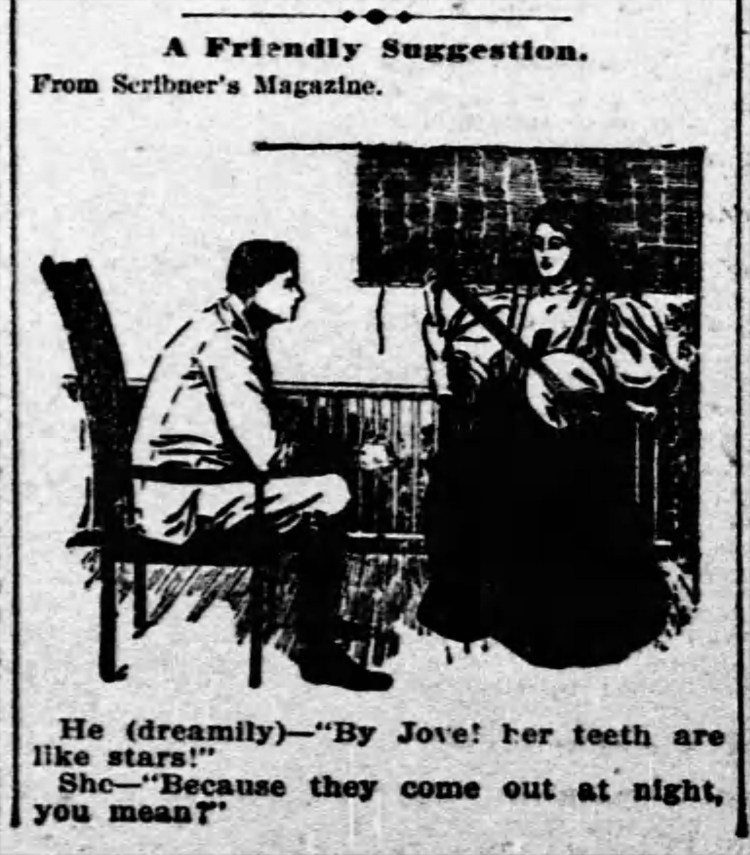
USA, 1893—the phrase ‘teeth like stars’ is applied to false teeth, the image being that they ‘come out’ at night
Read Moreapplied to someone who will drink anything—UK, 1790—from the tale of the sailor(s) who stole spirits from the cask in which a dead Admiral was being preserved for interment in England
Read Moreapplied either to a wearisome talker or to a persuasive talker—first occurs in the latter sense and in connection with boxing: Australia 1952, UK 1954
Read More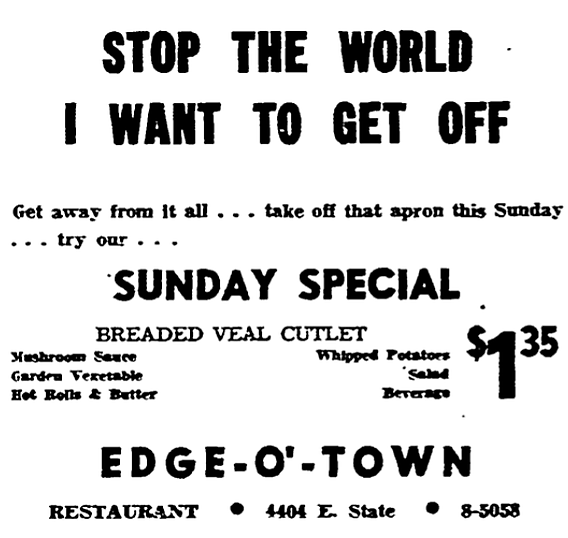
I’m tired of life (but intended serio-ironically, not in genuine despair)—USA 1951, UK 1956—popularised by ‘Stop the World—I Want to Get Off’, a 1961 British musical
Read More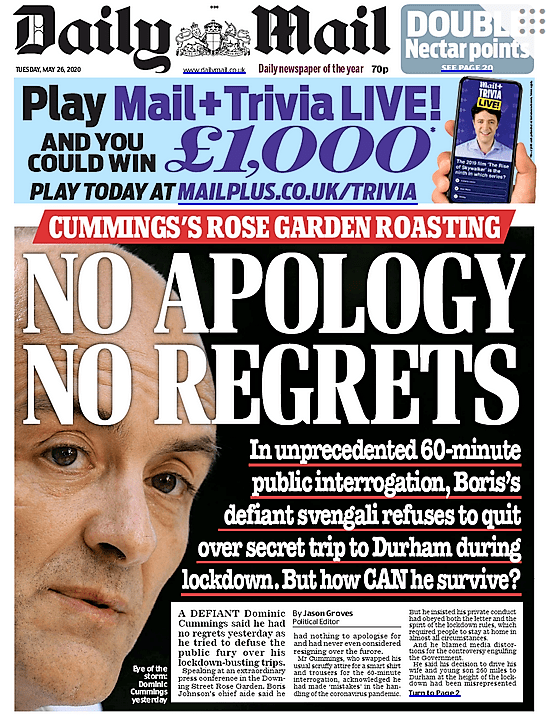
1894—(depreciative) someone who has a controlling influence over another—from the name of the hypnotist under whose spell Trilby falls in ‘Trilby’ (1894), by George Du Maurier
Read More
a jibe at a man wearing trousers with turn-ups—USA, 1885—from an anecdote about a man who was affecting the manners and eccentricities of upper-class English people
Read Moreindicates that a person has returned to normal after an illness or similar episode—from The Tragical History of King Richard III (1700), an adaptation of Shakespeare’s Richard III by Colley Cibber
Read More
21st century: the practice of maintaining a certain distance between oneself and other people in order to prevent infection with a disease—20th century: the practice of maintaining a degree of remoteness or emotional separation from another person or social group
Read More word histories