‘accidents will happen in the best-regulated families’
UK, 1808—elaboration on ‘accidents will happen’, meaning accidents will happen despite efforts taken to prevent them
Read More
“ad fontes!”
UK, 1808—elaboration on ‘accidents will happen’, meaning accidents will happen despite efforts taken to prevent them
Read More
a comma immediately preceding the conjunction in a list of items—1978—named after the preferred use of such a comma in the house style of Oxford University Press
Read More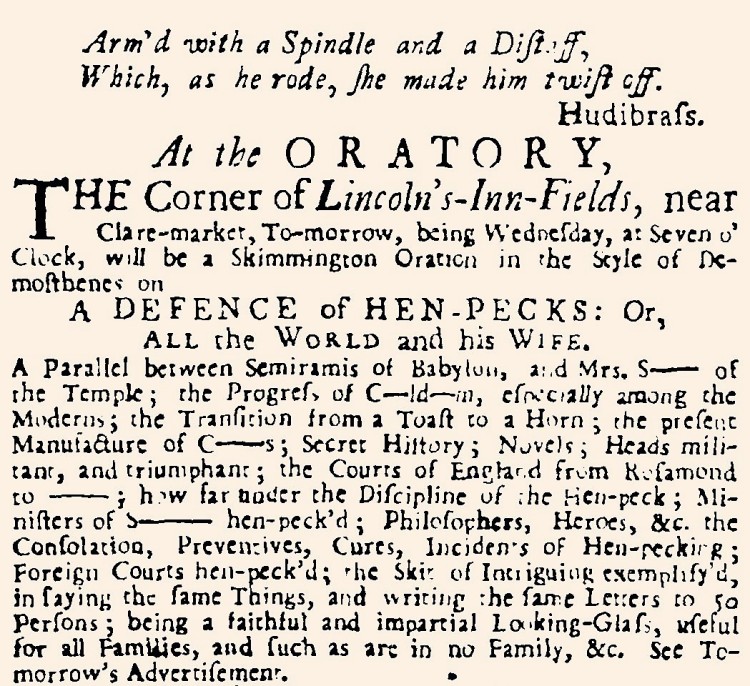
a large group of people of various kinds—UK, 1730
Read More
UK, 1851—a disappointing end to an otherwise exciting display—refers to the cleaning-up, especially of horse-dung, necessary after the Lord Mayor’s Show, in London
Read More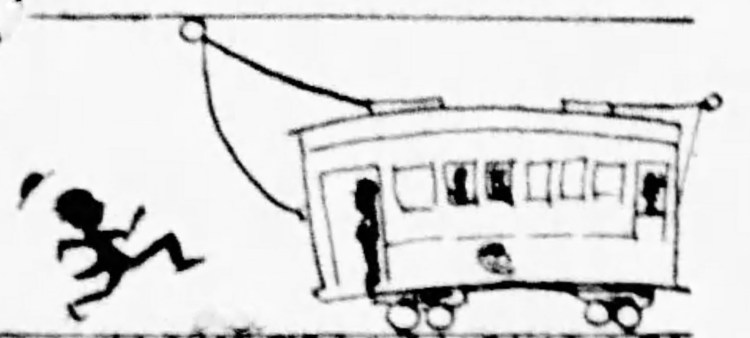
USA, 1900—followed by ‘there’ll be another one right along’ and variants, means ‘there will be many more romantic opportunities in the future’
Read More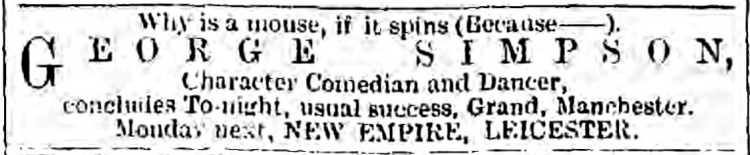
nonsensical question and answer—UK 1892—USA 1893—the question has been used to treat someone or something as unworthy of serious consideration
Read Morein a sad state, or, merely, dishevelled—USA, 1897—refers to The Wreck of the Hesperus (1840), by the U.S. poet Henry Wadsworth Longfellow
Read More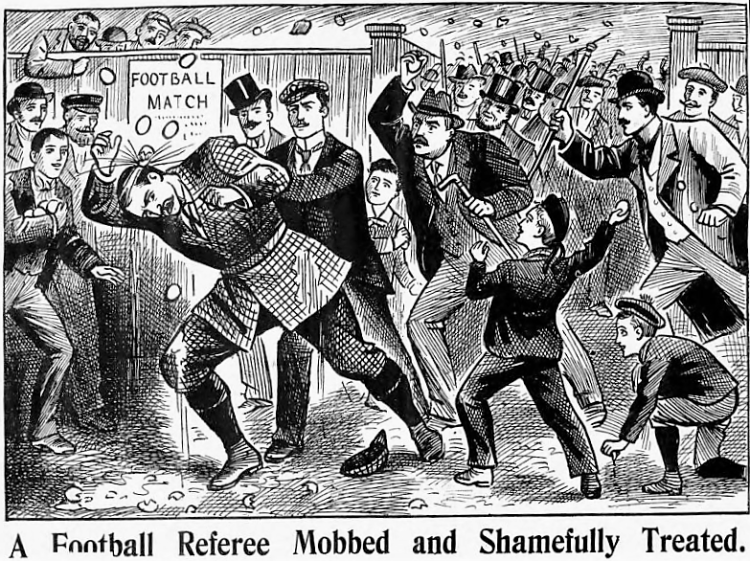
UK, 1935—used to express disagreement with the referee during a soccer match—alludes to the white walking stick carried by a blind person
Read More
USA, 1934—addressed, often with ironic pity, to someone who has had an arduous day—from very popular 1934 song, ‘Little Man, You’ve Had a Busy Day’
Read More
children are inclined to eavesdrop; used as a warning (“children are listening”)—USA, 1901—perhaps a modification of synonymous ‘little pitchers have big ears’
Read More word histories