‘blind Freddy’: meaning and origin
personifies the highest degree of disability or incompetence—Sydney, Australia, 1910s—variant, probably referring to a local individual, of the earlier synonymous phrase ‘blind man’
Read More
“ad fontes!”
personifies the highest degree of disability or incompetence—Sydney, Australia, 1910s—variant, probably referring to a local individual, of the earlier synonymous phrase ‘blind man’
Read MoreUK, 1904—punning extension (in which ‘time’ is a verb, and ‘flies’ a noun) of the cliché ‘time flies’
Read More
USA—originally used during the 1960 presidential election campaign by the Democratic Party to denigrate Richard Nixon, the Republican Party’s nominee
Read More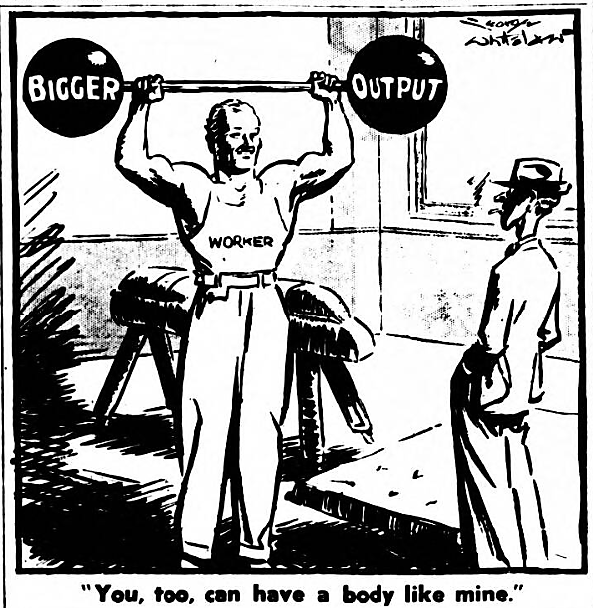
originated in magazine advertisements for the bodybuilding course created and marketed by Italian-born U.S. bodybuilder Charles Atlas (Angelo Siciliano – 1892-1972)
Read More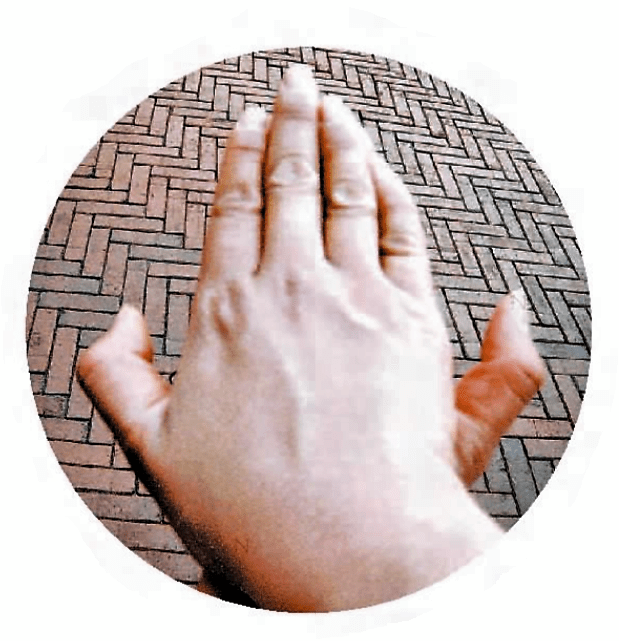
U.S. slang, 2005—a gesture consisting in placing one hand on top of the other and wiggling the thumbs, made to reduce embarrassment
Read Moreany muddle-headed business—UK, 1813—the stupidity of the people of Coggeshall, a small town in Essex, England, has been proverbial since the mid-17th century
Read More
used of someone who won’t admit defeat—USA, early 20th century—but used in the late 19th century in reference to physical weakness
Read Morerefers to the fact that the winter cold is essential to plants and crops—UK, first recorded in the mid-17th century, but already proverbial
Read Moresaid to console a child choking over his or her food—UK, obsolete—first recorded in A Complete Collection of Genteel and Ingenious Conversation (1738), by Jonathan Swift
Read More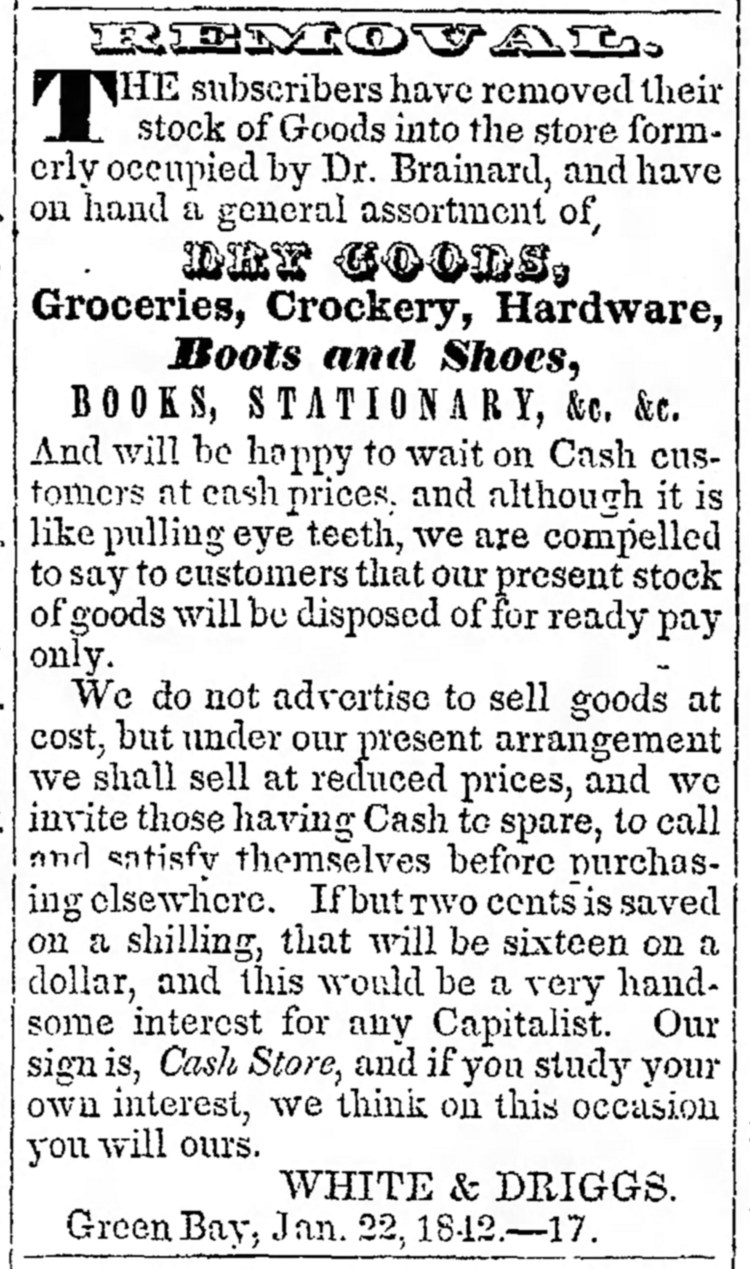
used to convey that something is extremely difficult to do—USA, 1835—also ‘like pulling eyeteeth’, ‘like pulling elephants’ teeth (with a dentist’s forceps)’
Read More word histories