a Scots phrase: ‘who stole your scone?’
1928—addressed to someone who looks glum—‘scone’ (originally Scots, early 16th century) denotes a light plain doughy cake
Read More
“ad fontes!”
1928—addressed to someone who looks glum—‘scone’ (originally Scots, early 16th century) denotes a light plain doughy cake
Read More
USA, 1830—used in association with ‘see’, ‘said the blind man’ puns on this verb’s primary meaning (‘to perceive with the eyes’) and secondary meanings (‘to understand’, ‘to find out’, ‘to examine’)
Read More
a deliberate malapropism punning on ‘I resent that remark’—USA, 1940
Read More
writing is more effective than military power or violence—UK, 1832—often erroneously ascribed to E. Bulwer-Lytton in ‘Richelieu; or, The Conspiracy’ (1839)
Read Moreaddressed to a poor horseman—means ‘get out of the public view and hide in shame’—UK, 1842
Read More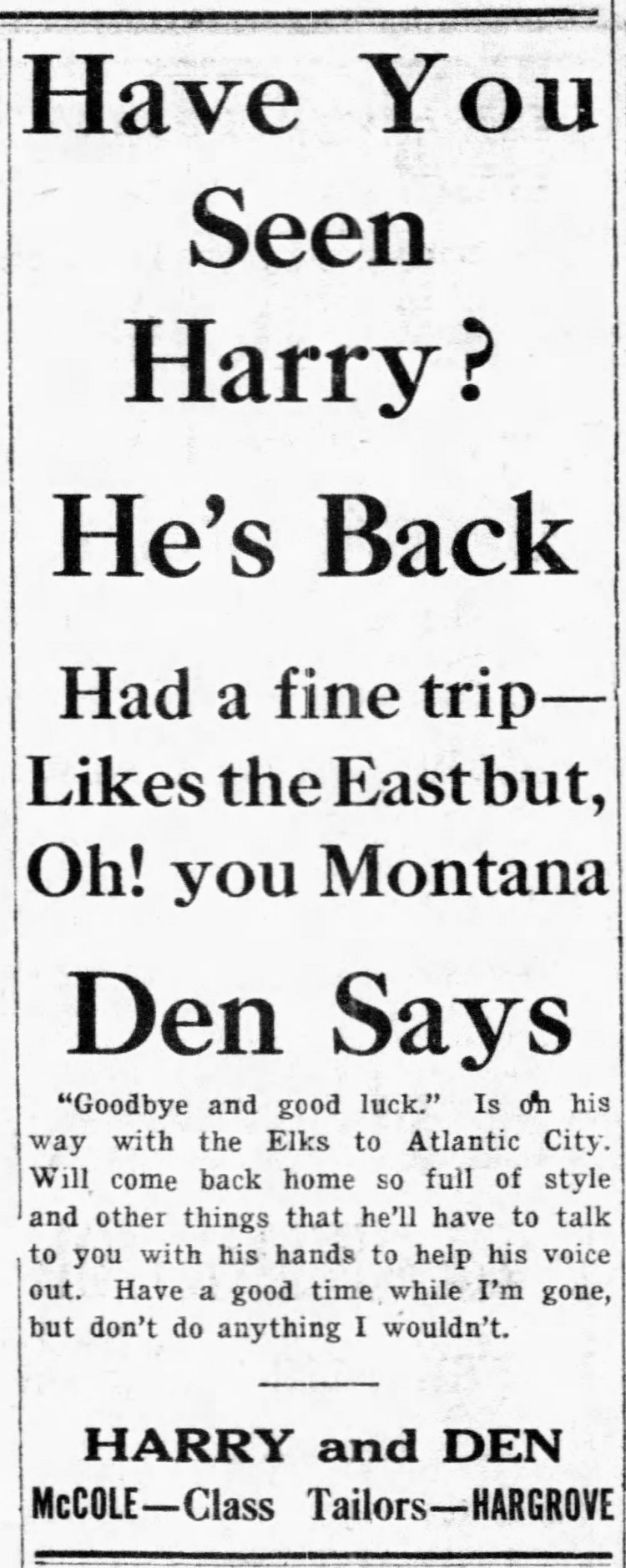
used upon parting, and often jocularly, this phrase means ‘behave yourself’—USA, 1911—had become hackneyed by 1918
Read More
a great commotion about a trivial matter—‘a storm in a teacup’: UK, 1775—‘une tempête dans un verre d’eau’: France, 1785
Read Morepersonifies the highest degree of disability or incompetence—Sydney, Australia, 1910s—variant, probably referring to a local individual, of the earlier synonymous phrase ‘blind man’
Read MoreUK, 1904—punning extension (in which ‘time’ is a verb, and ‘flies’ a noun) of the cliché ‘time flies’
Read More
USA—originally used during the 1960 presidential election campaign by the Democratic Party to denigrate Richard Nixon, the Republican Party’s nominee
Read More word histories