‘the pen is mightier than the sword’: meaning and early occurrences

writing is more effective than military power or violence—UK, 1832—often erroneously ascribed to E. Bulwer-Lytton in ‘Richelieu; or, The Conspiracy’ (1839)
Read More
“ad fontes!”
writing is more effective than military power or violence—UK, 1832—often erroneously ascribed to E. Bulwer-Lytton in ‘Richelieu; or, The Conspiracy’ (1839)
Read Moreaddressed to a poor horseman—means ‘get out of the public view and hide in shame’—UK, 1842
Read More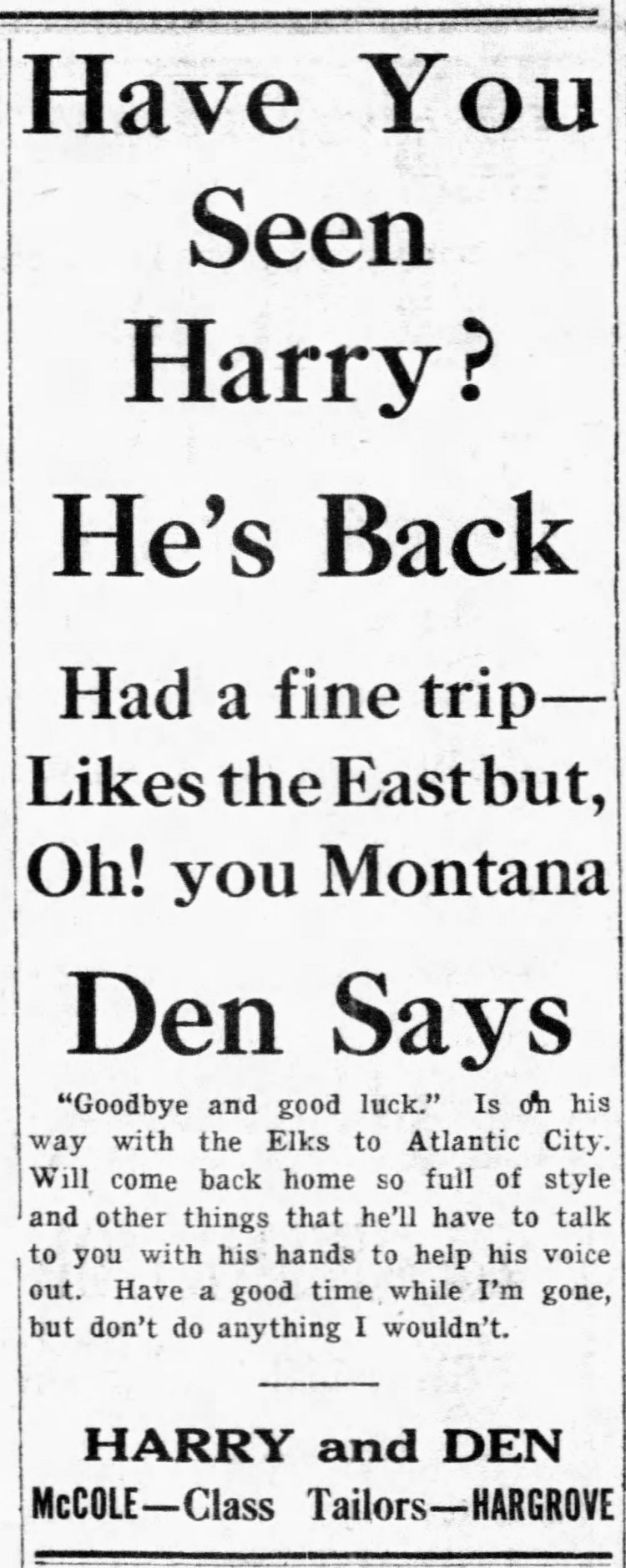
used upon parting, and often jocularly, this phrase means ‘behave yourself’—USA, 1911—had become hackneyed by 1918
Read More
a great commotion about a trivial matter—‘a storm in a teacup’: UK, 1775—‘une tempête dans un verre d’eau’: France, 1785
Read Morepersonifies the highest degree of disability or incompetence—Sydney, Australia, 1910s—variant, probably referring to a local individual, of the earlier synonymous phrase ‘blind man’
Read MoreUK, 1904—punning extension (in which ‘time’ is a verb, and ‘flies’ a noun) of the cliché ‘time flies’
Read More
USA—originally used during the 1960 presidential election campaign by the Democratic Party to denigrate Richard Nixon, the Republican Party’s nominee
Read More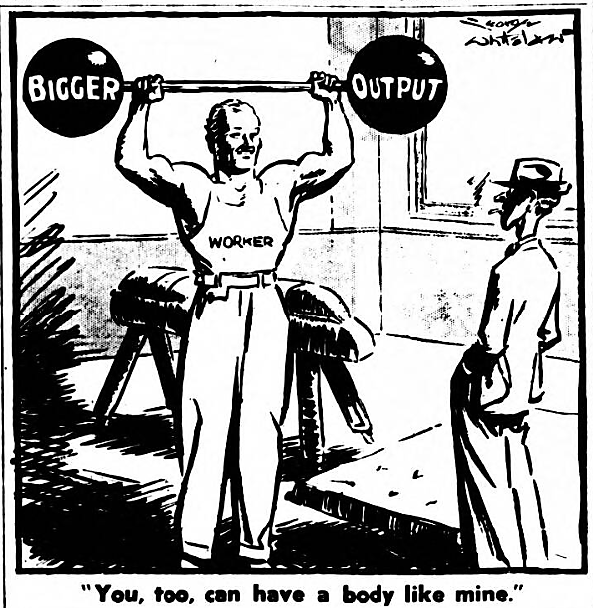
originated in magazine advertisements for the bodybuilding course created and marketed by Italian-born U.S. bodybuilder Charles Atlas (Angelo Siciliano – 1892-1972)
Read More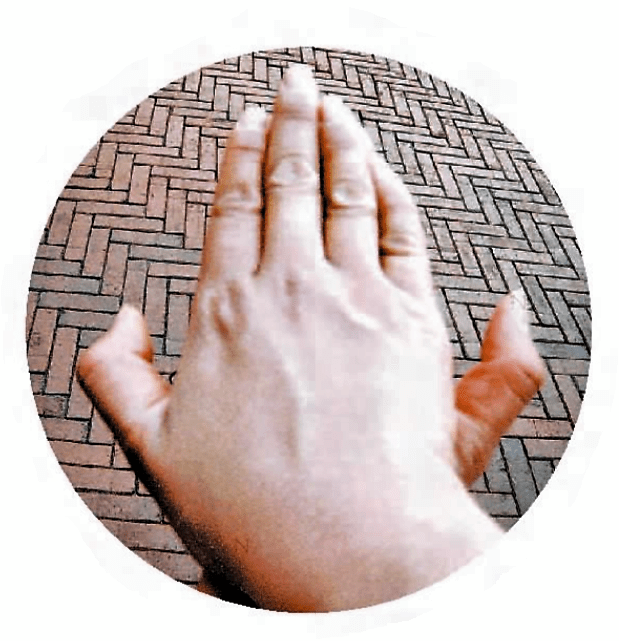
U.S. slang, 2005—a gesture consisting in placing one hand on top of the other and wiggling the thumbs, made to reduce embarrassment
Read Moreany muddle-headed business—UK, 1813—the stupidity of the people of Coggeshall, a small town in Essex, England, has been proverbial since the mid-17th century
Read More word histories