Australia, 1930—describes a person who is reluctant, or very slow, to pay for something—the image is of a snake biting the person when they put their hand in their pocket to get at their money
USA, 1973—a euphemism for a lie—coined on 17th June 1973, during the Watergate scandal, by Ronald Lewis Ziegler, President Richard Nixon’s Press Secretary
UK, 1968—British and Australian: expresses indifference towards, or rejection of, a suggestion—from ‘Umpa, Umpa, Stick It Up Your Jumper’, a song recorded in 1935 by The Two Leslies (Leslie Sarony and Leslie Holmes)
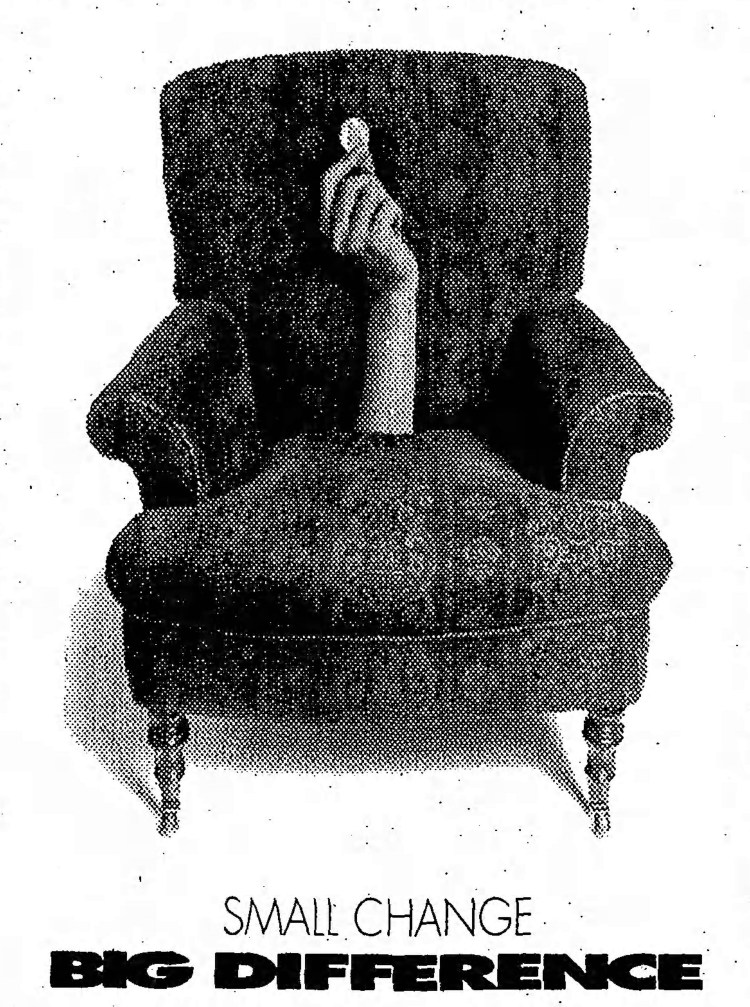
UK and Ireland—the small change that has slipped down between the cushions and the back, or the arms, of a sofa—also used figuratively: public funds that are ‘miraculously’ found; permanent end; wasted money
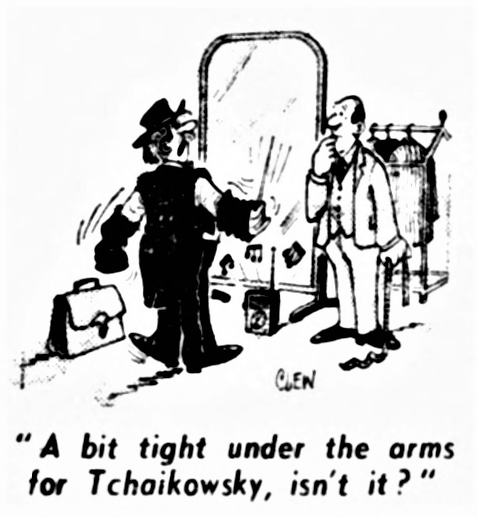
UK and USA, 1908: applied to a pair of trousers much too large for the wearer—later also applied to small cars and to socks much too large for the wearer
conveys derisive self-congratulation for an action that the speaker has done from a sense of duty rather than for pleasure—from a line uttered by Charles Laughton in the 1933 film The Private Life of Henry VIII
used to rebuke an unrealistic conditional—USA, 1808: ‘if my aunt had been my uncle, what would have been her gender?’—France, 1843: ‘si ma tante était un homme, ça serait mon oncle’ (‘if my aunt were a man, that would be my uncle’)
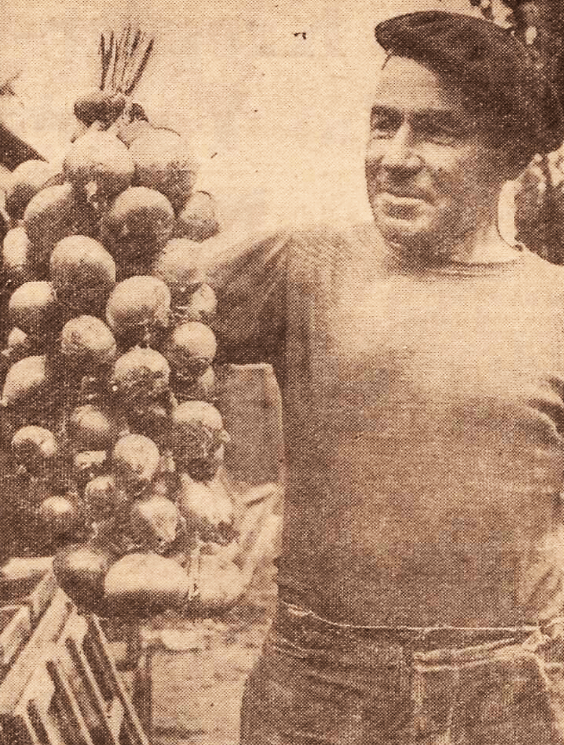
UK, 1877—an onion-seller from Brittany who sold onions door-to-door around the coasts of Britain—used with modifying word, ‘Johnny’ designates a person of the type, profession, etc., specified
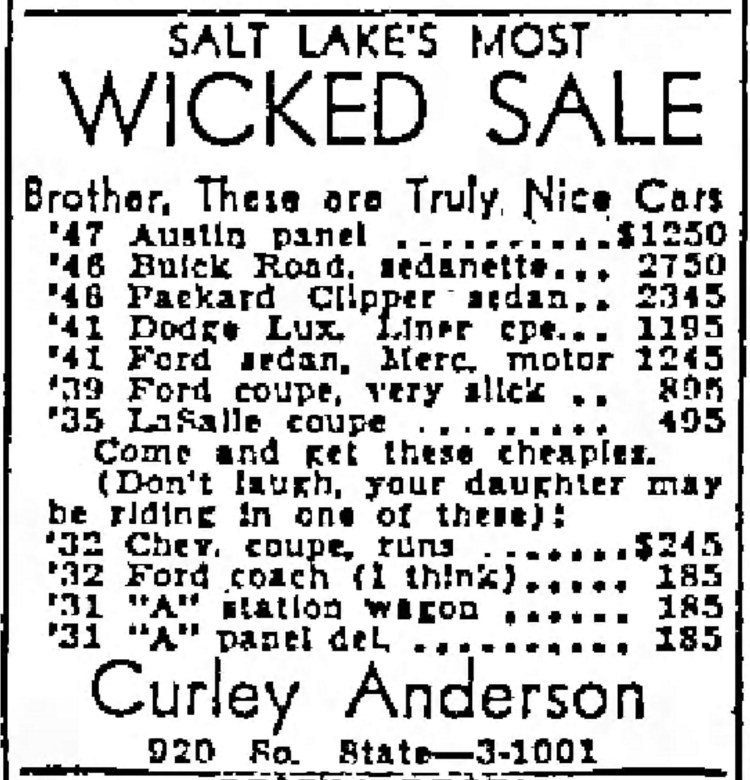
USA, 1938: painted by teenagers on the dilapidated old cars they drove—Australia, 1948: painted on cars, too, but, apparently, not specifically by teenagers—later, on bumper stickers


 word histories