‘to rain stair rods’: meaning and early occurrences
UK, 1900—to rain very heavily—‘stair rod’: a rod for securing a carpet in the angle between two steps
Read More
“ad fontes!”
UK, 1900—to rain very heavily—‘stair rod’: a rod for securing a carpet in the angle between two steps
Read More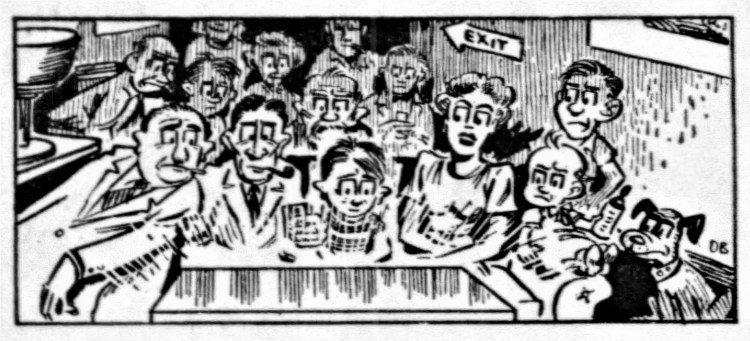
‘square eyes’ 1955: eyes fancifully imagined as made square by habitual or excessive television viewing; a person characterised as watching too much television—‘square-eyed’ 1953: affected by, or given to, excessive viewing of television
Read More
1928 in Clara Butt: Her Life-Story, by H. W. Ponder—“Sing ’em muck! It’s all they can understand!”: advice given by Australian soprano Nellie Melba to English contralto Clara Butt, who was about to undertake a tour of Australia
Read More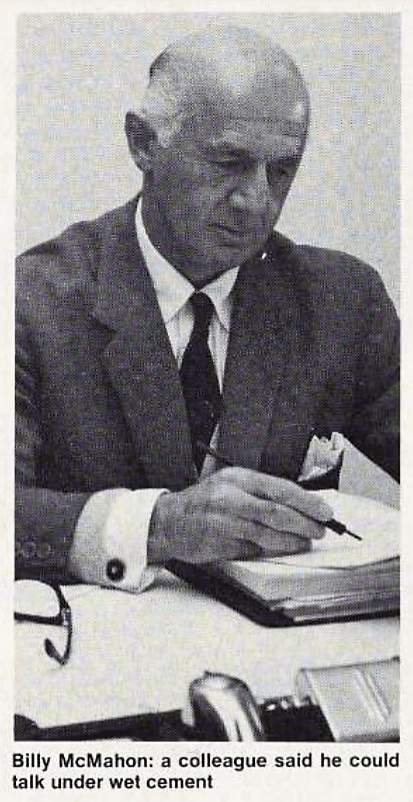
Australia—to have the gift of the gab—‘to be able to talk under water’ (1951)—‘to be able to talk under wet cement’ (1978)—‘to be able to talk under wet concrete’ (1980)
Read More
Australia, 1953—used of an extremely lazy person—refers to the artificial respirator that kept polio patients alive by “breathing” for them
Read MoreUSA, 1927—a conventional film ending, regarded as sentimental or simplistic, and often featuring an improbably positive outcome—by extension: an improbably positive outcome to a real-life situation
Read MoreAustralia, 1981—the ideology of the Australian Labor Party’s left wing, “for whom the ultimate test of a policy is the feeling of personal virtuousness to be derived from its espousal”—Labor politician James McClelland claimed to have coined this phrase
Read MoreUSA, 1992—to reduce staff numbers to levels so low that work can no longer be carried out effectively—portmanteau, coined by the Trends Research Institute, combining the adjective ‘dumb’, meaning ‘stupid’, and the verb ‘downsize’
Read MoreUSA, 1883—deliberate transposition of the initial consonants of ‘plot’ and ‘thickens’ in ‘the plot thickens’—‘the plot thickens’, attested in 1672, means: the storyline becomes more complex or convoluted
Read MoreBritish and Irish English, 1833—denotes qualified pleasure—also: ‘to give [someone] a poke in the eye (with a — stick)’, meaning to deprecate [someone]—from ‘a poke in the eye’, denoting something undesirable
Read More word histories