the phrase ‘what else did you get for Christmas?’
USA, 1944—sarcastic remark used in exasperation at an impatient motorist who persistently toots their horn—likens the motorist to a child in a toy car
Read More
“ad fontes!”
USA, 1944—sarcastic remark used in exasperation at an impatient motorist who persistently toots their horn—likens the motorist to a child in a toy car
Read MoreUK and USA, World War One—borrowing from French, literally ‘it is war’—expresses acceptance of, or resignation at, the situation engendered by war
Read More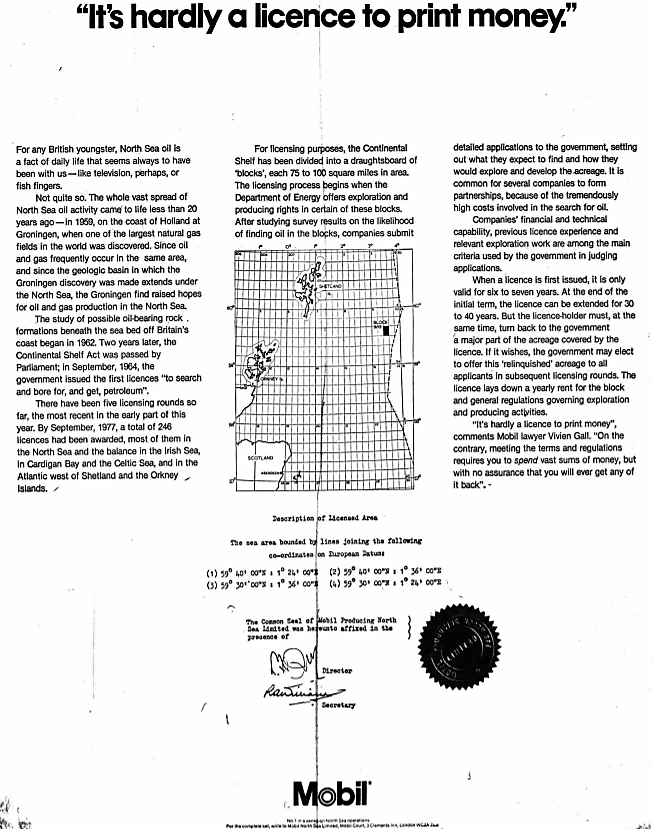
North America, 1943: used of owners of professional baseball teams—Britain, 1958: used of the franchises granted for running commercial television stations
Read More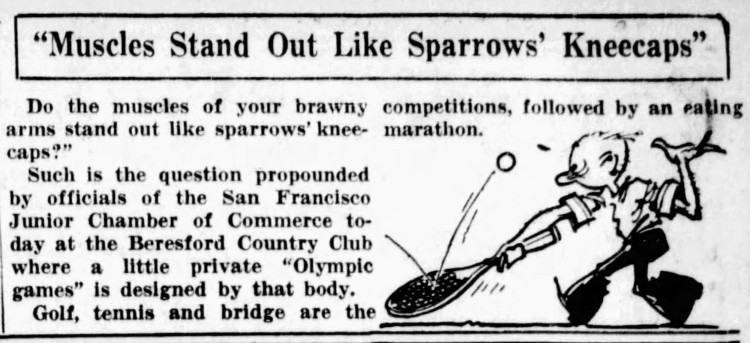
UK, 1922—(self-)disparagingly used of somebody’s physical strength—sometimes as a parody of ‘The Village Blacksmith’ (1840), by Henry Wadsworth Longfellow
Read More
UK, 1926—completely lost or wasted—seems to allude to ‘Old Folks at Home’ (1851), also known as ‘Swanee River’, by the U.S. songwriter Stephen Foster
Read MoreEnglish phrase (1728) preceded by ‘good wits jump’, i.e. ‘agree’ (1618)—French phrase (1775) preceded by ‘les beaux esprits se rencontrent’ (1686)
Read More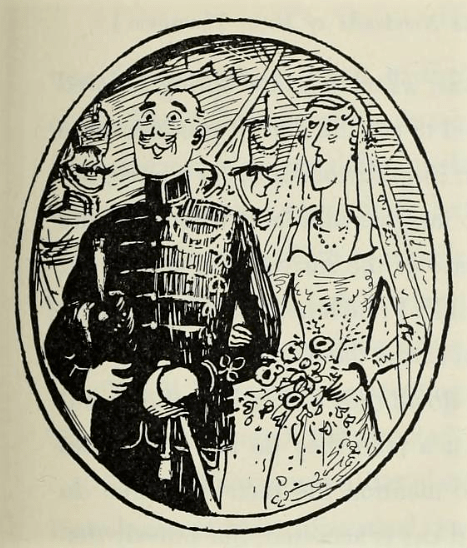
France, 1954: purported advice given to English brides-to-be on how to cope with unwanted but inevitable sexual intercourse—but this occurs in a humoristic book
Read More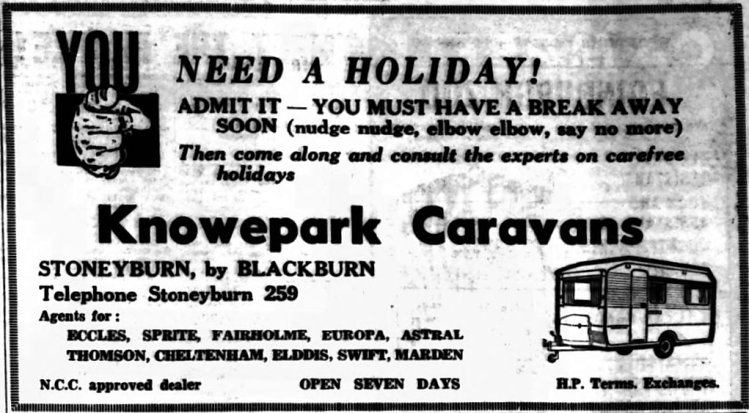
draws attention to a sexual innuendo—generally refers to an October 1969 sketch from the British comedy series Monty Python’s Flying Circus—but in use earlier
Read Moreto come to the point—in Shakespeare’s ‘Hamlet’, the title role urges an actor to go straight to Hecuba’s reaction to her husband’s killing
Read MoreUK, 1950s—used among schoolgirls when one’s petticoat was showing (origin unknown)—synonyms: ‘it’s snowing again’, ‘you’re showing next week’s washing’
Read More
