meaning and origin of the phrase ‘down the Swanee’
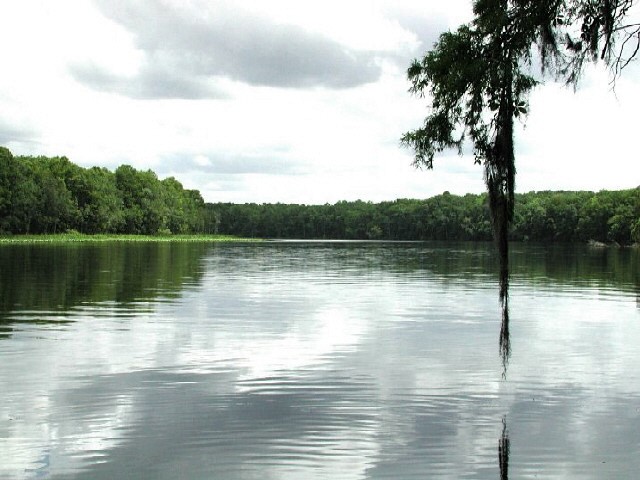
UK, 1926—completely lost or wasted—seems to allude to ‘Old Folks at Home’ (1851), also known as ‘Swanee River’, by the U.S. songwriter Stephen Foster
Read More
“ad fontes!”
UK, 1926—completely lost or wasted—seems to allude to ‘Old Folks at Home’ (1851), also known as ‘Swanee River’, by the U.S. songwriter Stephen Foster
Read MoreEnglish phrase (1728) preceded by ‘good wits jump’, i.e. ‘agree’ (1618)—French phrase (1775) preceded by ‘les beaux esprits se rencontrent’ (1686)
Read More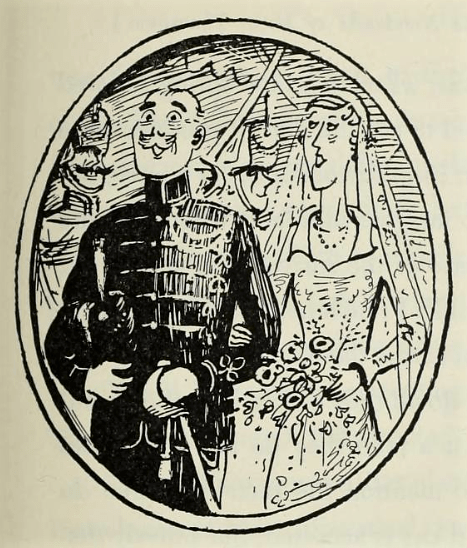
France, 1954: purported advice given to English brides-to-be on how to cope with unwanted but inevitable sexual intercourse—but this occurs in a humoristic book
Read More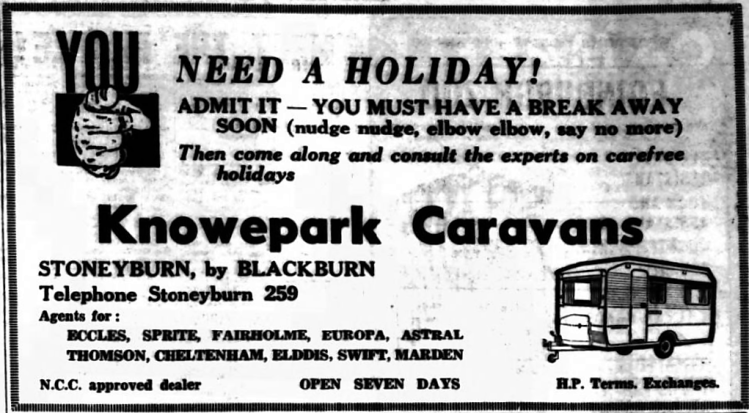
draws attention to a sexual innuendo—generally refers to an October 1969 sketch from the British comedy series Monty Python’s Flying Circus—but in use earlier
Read Moreto come to the point—in Shakespeare’s ‘Hamlet’, the title role urges an actor to go straight to Hecuba’s reaction to her husband’s killing
Read MoreUK, 1950s—used among schoolgirls when one’s petticoat was showing (origin unknown)—synonyms: ‘it’s snowing again’, ‘you’re showing next week’s washing’
Read MoreUK, 1909—used when the dividing walls between adjacent houses or flats are thin—also used of the passage of sound between floors
Read More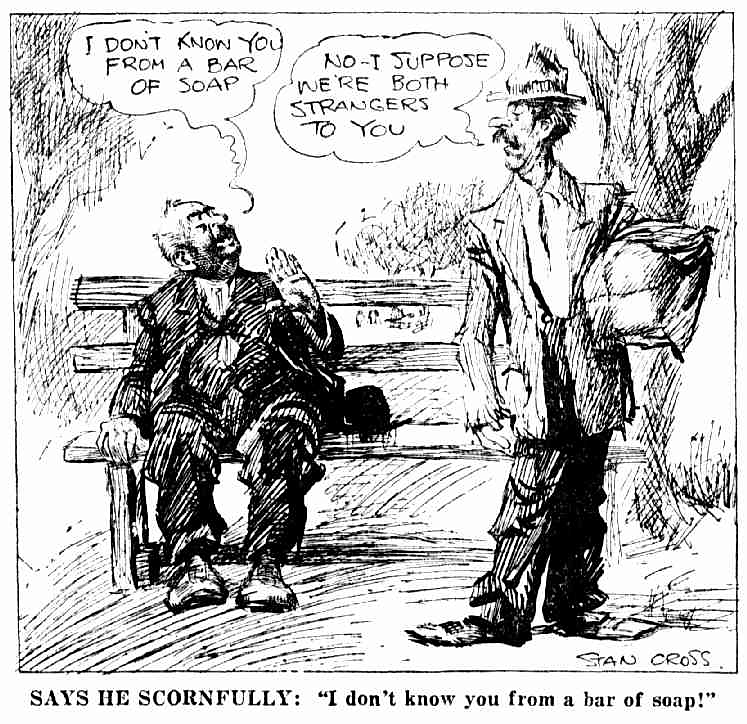
to be completely unacquainted with someone or something—most earliest uses (late 19th century) in U.S. publications, but a few in Australian publications
Read More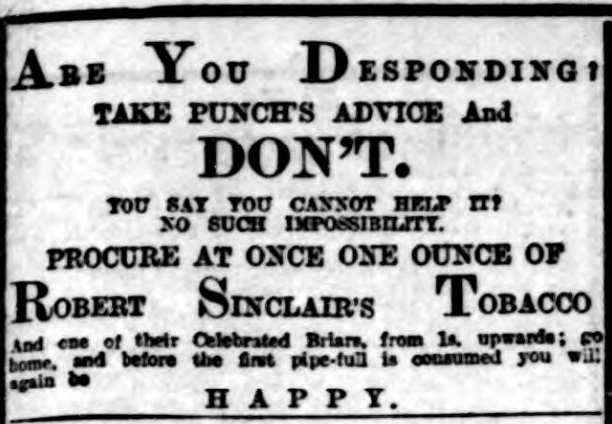
from “advice to persons about to marry—don’t”, published in ‘Punch’s Almanack for 1845’ (24 December 1844) by the magazine ‘Punch, or the London Charivari’
Read More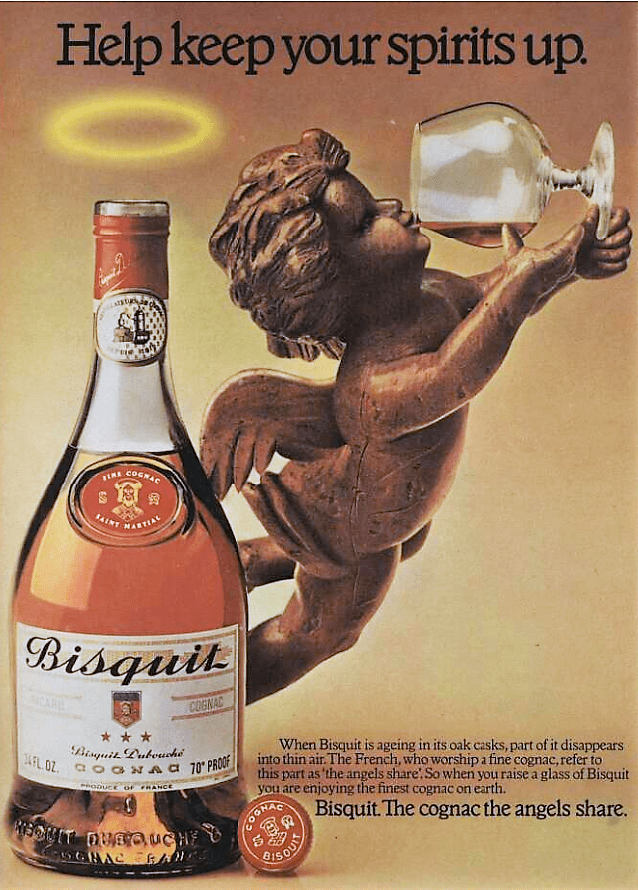
UK, 1970—the quantity of distilled spirits lost to evaporation while ageing in wooden casks; the vapours resulting from this process—calque of French ‘la part des anges’
Read More word histories