‘English as she is spoke’: meaning and origin

broken English—UK, 1883—from ‘English As She is Spoke: or A Jest in Sober Earnest’ (London: Field & Tuer, 1883), title given to a book intended as a Portuguese-English conversational guide
Read More
“ad fontes!”
broken English—UK, 1883—from ‘English As She is Spoke: or A Jest in Sober Earnest’ (London: Field & Tuer, 1883), title given to a book intended as a Portuguese-English conversational guide
Read More
retort to the accusation of being paranoid (i.e., of seeing imaginary enemies)—USA, 1966—often ascribed to U.S. poet Delmore Schwartz
Read Moremeaning: any possible thing, event, or situation is envisaged or found—UK, 1839—image of a scope ranging from the most innocuous to the most harmful
Read Morea person regarded as good-natured but also not ‘bright’ intellectually—UK, 1981—Australia, 1982—USA, 1986
Read More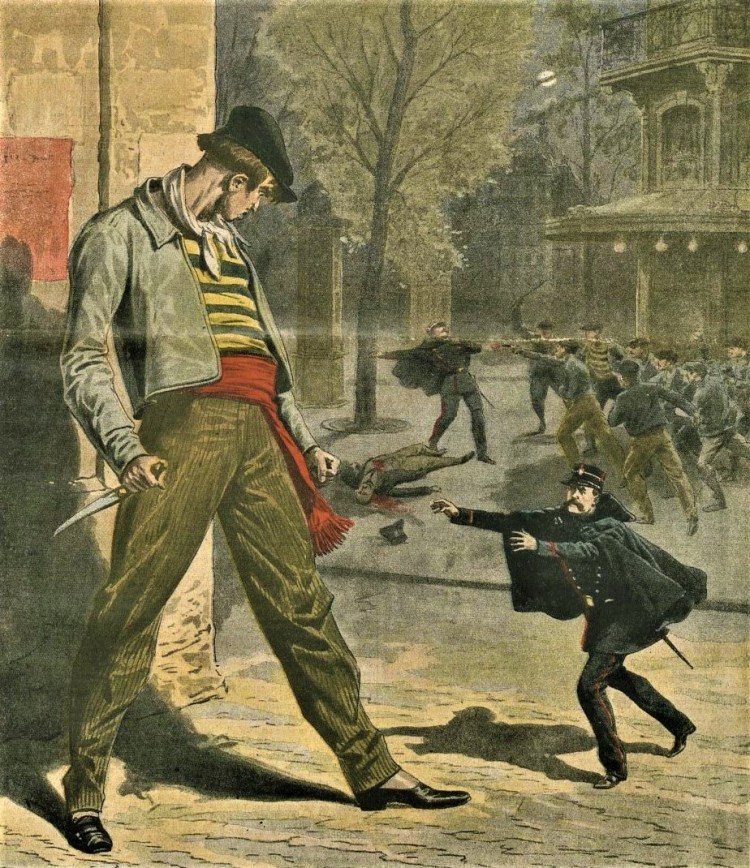
circa 1900: by association with the reputed ferocity of the North-American Indian people, ‘Apache’ came to designate a violent street ruffian in Paris
Read More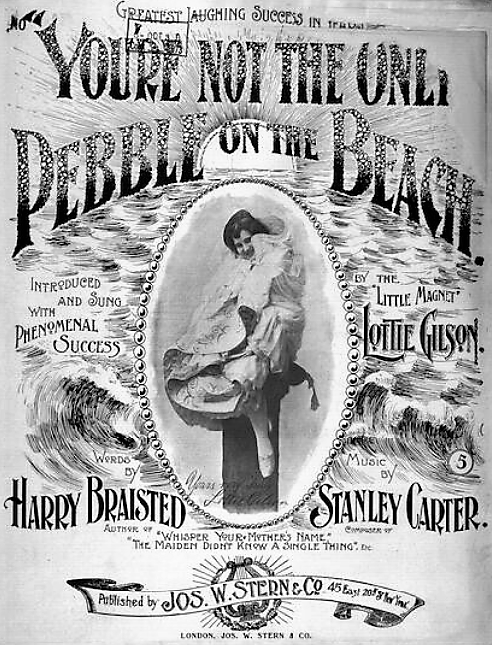
the only person or thing to be considered in a particular situation—USA, 1895—popularised by 1896 song ‘You’re Not the Only Pebble on the Beach’
Read More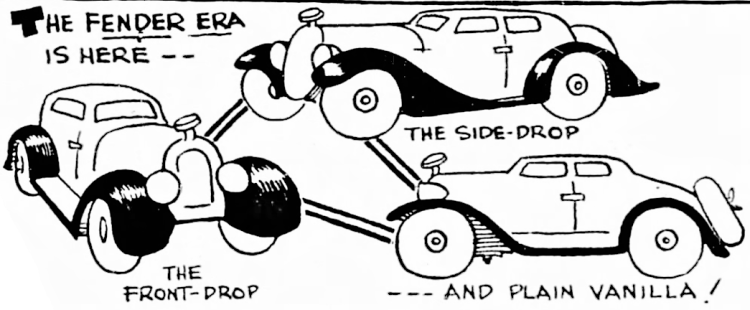
from the popular perception of vanilla as the ordinary, bland flavour of ice-cream—USA—‘plain vanilla’ 1934—‘vanilla sex’ 1960
Read Moremeans that, in a specific situation, a person will be blamed or considered wrong no matter what he or she does—USA, 1817—originally used in Christian contexts
Read More
used to rebuke someone, especially, jocularly, for an act far more improper or audacious than mere tobacco-smoking—USA, 1889
Read More
a retort to ‘what’s on at the pictures?’—USA, 1924—with pun on ‘to mix cement’, refers to U.S. film actor Tom Mix
Read More word histories