‘svengali’: meaning and early occurrences
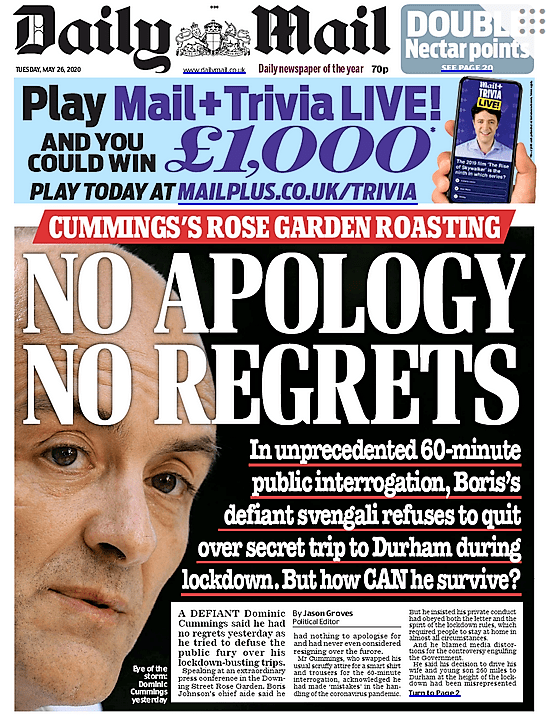
1894—(depreciative) someone who has a controlling influence over another—from the name of the hypnotist under whose spell Trilby falls in ‘Trilby’ (1894), by George Du Maurier
Read More
“ad fontes!”
1894—(depreciative) someone who has a controlling influence over another—from the name of the hypnotist under whose spell Trilby falls in ‘Trilby’ (1894), by George Du Maurier
Read More
a jibe at a man wearing trousers with turn-ups—USA, 1885—from an anecdote about a man who was affecting the manners and eccentricities of upper-class English people
Read More
21st century: the practice of maintaining a certain distance between oneself and other people in order to prevent infection with a disease—20th century: the practice of maintaining a degree of remoteness or emotional separation from another person or social group
Read Moreexceedingly busy—USA, 1906—chiefly in the extended form ‘as busy as a one-armed paper hanger with the hives’
Read More
USA, 1931—jocular variant (coined on separate occasions by various persons, independently from one another) of ‘here today (and) gone tomorrow’
Read More‘anything for a quiet wife’ (1875)—jocular variant of ‘anything for a quiet life’ (ca. 1620), which expresses concession or resigned agreement, to ensure one is not disturbed
Read Moreto praise oneself—first used by Benjamin Franklin in 1729—the image is that, when one’s trumpeter is dead, one is forced to find one’s own trumpet
Read Moretwo people, especially lovers, should be left alone together—UK, 1829 as ‘two is company, three none’—but notion already proverbial in 1678
Read Morewith reference to the sand-beaches of Florida: to have come to enjoy living in Florida—USA, 1884
Read Moreto be mistaken or disappointed—USA,1840, as ‘you shot your granny in the eye with a baked apple’
Read More word histories