UK—‘the Beast from the East’ (2011): polar continental air mass, which brings wintry conditions—‘the Pest from the West’ (2012): mild air from the Atlantic, which brings strong winds and heavy rainfalls
USA, 1857—an exclamation expressing surprise or dismay—the motivation for the choice of the female forename ‘Betsy’ (variant of ‘Betty’, pet form of ‘Elizabeth’) is unknown
USA, 1775—to do or say something remarkable or startling—the precise underlying notion in the choice of ‘Dutch’ is not clear—‘Dutch’ occurs in a number of derogatory or derisive English phrases
UK, 1844—extreme meanness never made anyone better off—compare Book of Proverbs, 11:24: “There is one who scatters, yet increases more; and there is one who withholds more than is right, but it leads to poverty.”
19th century—refer to two handkerchiefs, one used as a clothing accessory, the other for blowing the nose—hence, figuratively ‘for display rather than for use’ and ‘one for display and one for use’
USA, 1905—a situation that is likely to lead to disaster or misfortune, especially because of negligence or neglect; someone who behaves in a way that is likely to cause trouble
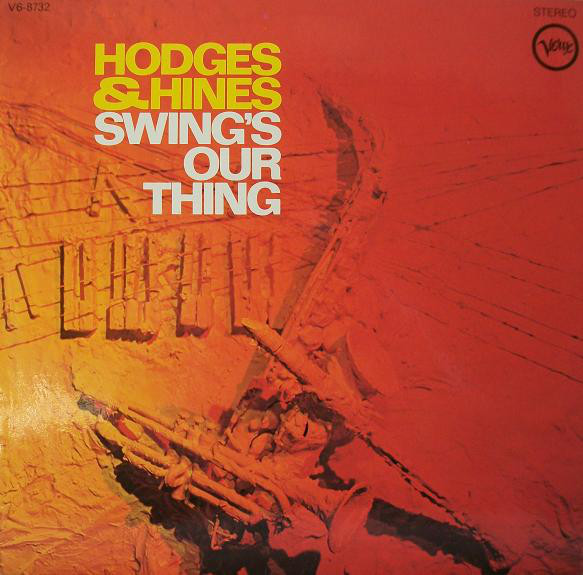
USA, 1967—emphatic negative phrase meaning ‘well, hardly’ or ‘no, that’s impossible’—used as the title of a jazz piece composed by Johnny Hodges—said to be a folk phrase that he had heard “out West”
USA, 1976—the outcome of a situation cannot be assumed—may allude to the stereotype of a large female soprano singing the final aria of an opera—from ‘church ain’t out ’till the fat lady sings’ (1976), itself from ‘church ain’t out until the singing is over’ (1872)
USA, 1872—the first clause refers to accurate calculations, the second punningly refers to the manipulation of those calculations—based on the figure called chiasmus, i.e., in which the order of words in the first clause is inverted in the second

 word histories