‘a man’s gotta do what a man’s gotta do’
USA, 1939 in The Grapes of Wrath, by John Steinbeck—a piece of homespun philosophy meaning that a man must do what he feels needs to be done, even if it is dangerous or undesirable
Read More
“ad fontes!”
USA, 1939 in The Grapes of Wrath, by John Steinbeck—a piece of homespun philosophy meaning that a man must do what he feels needs to be done, even if it is dangerous or undesirable
Read MoreU.S.—used in reference to several muddy rivers, and, occasionally, to other waterbodies—originally (1890 to 1902) used in reference to the Missouri River
Read More
USA, 1973—a euphemism for a lie—coined on 17th June 1973, during the Watergate scandal, by Ronald Lewis Ziegler, President Richard Nixon’s Press Secretary
Read More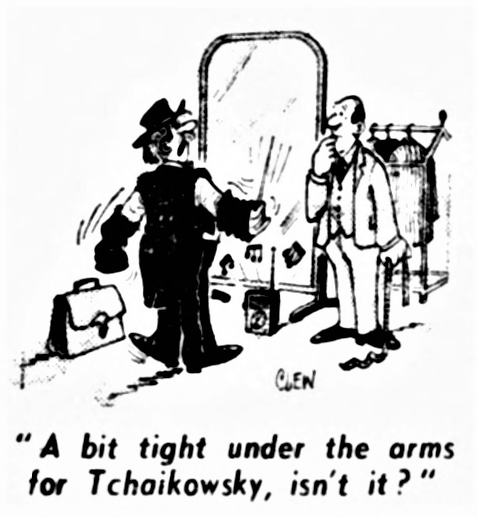
UK and USA, 1908: applied to a pair of trousers much too large for the wearer—later also applied to small cars and to socks much too large for the wearer
Read Moreused to rebuke an unrealistic conditional—USA, 1808: ‘if my aunt had been my uncle, what would have been her gender?’—France, 1843: ‘si ma tante était un homme, ça serait mon oncle’ (‘if my aunt were a man, that would be my uncle’)
Read More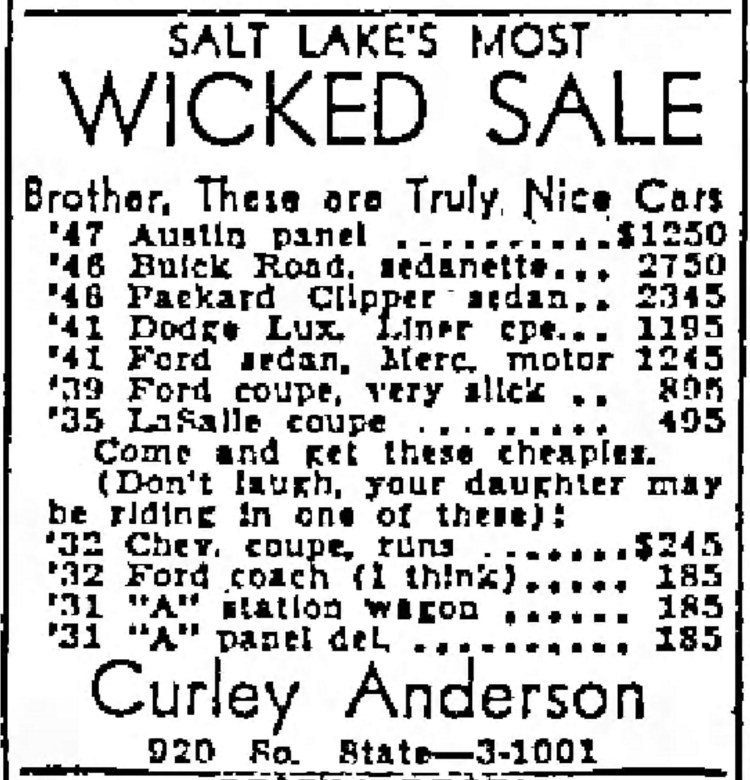
USA, 1938: painted by teenagers on the dilapidated old cars they drove—Australia, 1948: painted on cars, too, but, apparently, not specifically by teenagers—later, on bumper stickers
Read MoreUSA, 1876: from beginning to end, completely, exhaustively—literal meaning, 1852: all the successive parts of a meal, from soup at the beginning to nuts at the end
Read MoreUSA, 1883—exclamation of surprise at seeing something or somebody unexpected—alludes to a hunter who will lament seeing all sorts of game when he goes out into the woods and fields without his gun
Read MoreUSA, 1925—With, of course, a pun on ‘pee’, meaning ‘to urinate’, the jocular phrase ‘silent like (the) ‘p’ in swimming’ is used when exposing a difficulty in pronunciation.
Read MoreUK, 18th century—addressed to one who stands between the speaker and the light of a window, a lamp, a candle or a fire, or, more generally, to one who obstructs the speaker’s view
Read More word histories