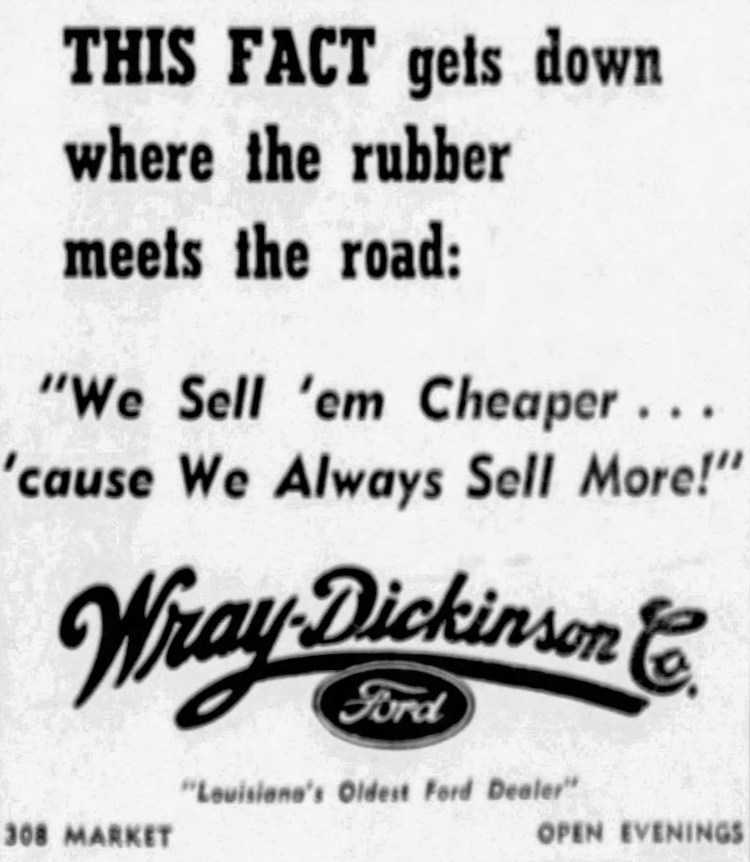
USA, 1956—where the important facts or realities lie; where theory is put into practice—originated in the jargon of the advertising business, in which ‘let’s get down (to) where the rubber meets the road’ meant ‘how much is it going to cost?’
USA, 1868—coined by U.S. critic Richard Grant White (1822-1885) to denote a word or expression whose original acceptation (preserved in U.S. English) was changed to one that he regarded as debased
UK, 1788—very drunk—may refer to Chloe, a woman with whom the English poet Matthew Prior (1664-1721) allegedly drank, and whom he often mentioned in his poems
USA, 1937, as a wrestling term—an act of placing both hands on a person’s wrist or arm and then twisting it to produce a burning sensation—alludes to the fiendish methods of torture attributed to the ‘(Red) Indians’
Australia, 1952—to travel a long distance—refers to the Burke and Wills expedition of 1860-61, which aimed to cross Australia from Melbourne, in the south, to the Gulf of Carpentaria, in the north
‘nothingburger’: a person or thing of no importance, value or substance—‘mouseburger’: a young woman of unexceptional appearance and talents, regarded as timid, dowdy or mousy—from the use of ‘burger’ as the second element in compounds denoting types of hamburger
‘four-leaved clover’: a rare form of clover leaf having four leaflets, regarded as a lucky charm or sign of good fortune—superstition mentioned as early as 1620—sometimes associated with ‘even ash’, a rare form of ash leaf having an even number of leaflets
the nickname that the Venetian opera audience gave to Joan Sutherland when she sang Handel’s Alcina at the Fenice Theatre on 21 February 1960—Italian ‘è stupenda’ translates as ‘she is stupendous’
television programmes that are gratuitously shocking or sensational, or of poor quality—from their eliciting in the viewer a similar horrified fascination to that experienced by people watching scenes of cars crashing



 word histories