‘butterfingered’, adjective, 1615: having a tendency to let things fall or slip from one’s hands—also (English, regional) unable or unwilling to handle hot items with one’s bare hands—‘butterfingers’, noun, 1835: a butterfingered person, a person with a tendency to let things fall or slip from his or her hands
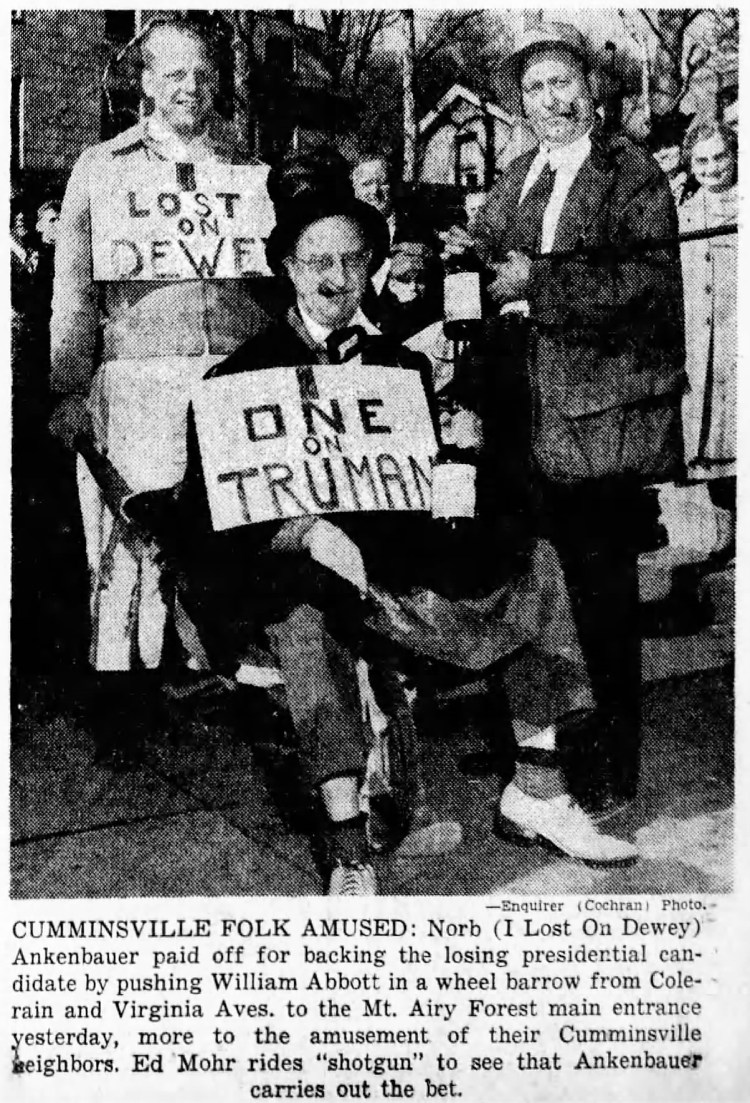
USA—literally (1905): to travel as an armed guard next to the driver of a vehicle—in extended use (1948): to accompany, to escort, especially in ‘to ride shotgun on somebody’—figuratively (1949): to assist, to protect, especially in ‘to ride shotgun on somebody’
USA, 1837—a short period of wintry weather occurring in autumn in the northern United States and in Canada—coined after ‘Indian summer’, from the fact that, because a squaw winter often precedes an Indian summer, they were seen as constituting a couple
UK and USA, 1816—to tell a long, far-fetched story—of nautical origin? (perhaps alludes to making ropes from lengths of yarn on board ship: the men would have told one another stories while performing this long and tedious task)
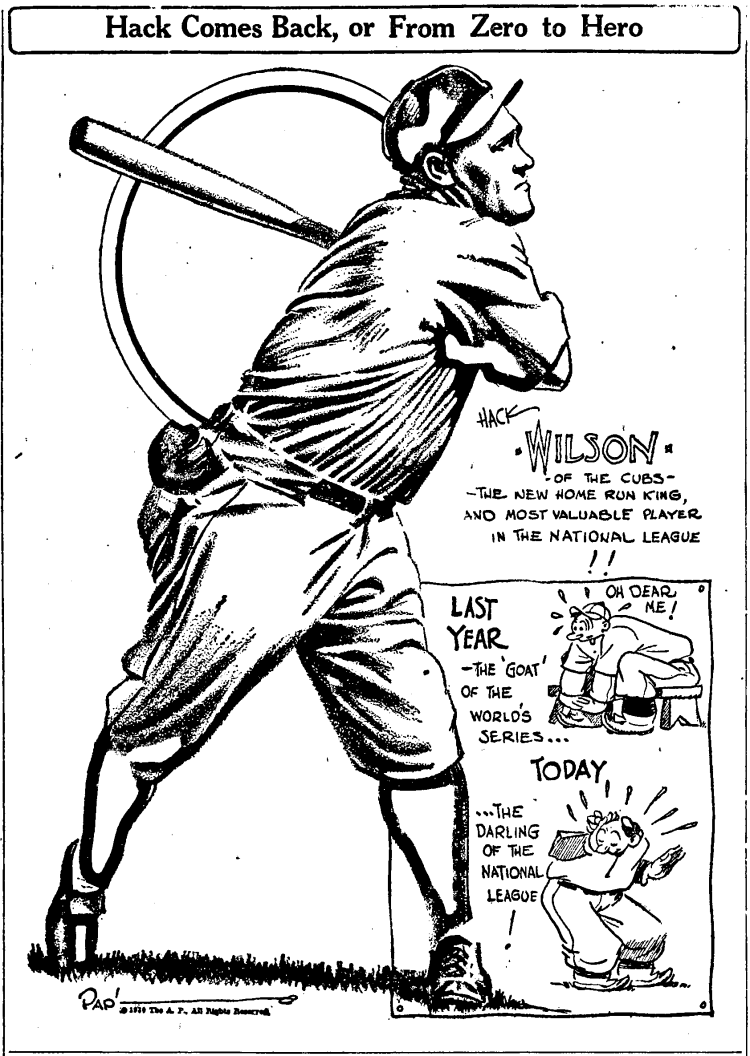
USA—(1893) ‘to go from zero to hero’: to experience a sudden increase in popularity or success, especially having previously been in a position of low achievement or esteem—(1899) ‘to go from hero to zero’: to suffer a sudden decline in popularity or success
1758—humorous exclamation expressing surprise, excitement, etc.—‘star’: a badge in the shape of, or ornamented with, a star, worn as part of the insignia of an order of knighthood or of chivalry—‘garter’: the badge of the highest order of English knighthood, i.e., the Order of the Garter
USA, 1901—wonderfully stylish, elegant or fashionable—a blend of ‘swell’ and ‘elegant’—popularised by its use in the song Well, Did You Evah!, interpreted by Bing Crosby and Frank Sinatra in the 1956 film High Society
USA, 1812—UK, 1818—the name of a character proverbially said to have been so great a liar that he was expelled from Hell—hence, frequently in ‘a bigger liar than Tom Pepper’, and variants: an outrageous liar
used attributively of something that may not have an end for years, if ever—especially used of a loan that the borrower refuses to pay back, and of hire purchase—refers to the line “It may be for years, and it may be for ever” in the song ‘Kathleen Mavourneen’ (1835)