USA, 1898—a view as seen from below or from a humble position—refers to a view taken as from the standpoint of a worm, i.e. from ground-level—coined after ‘bird’s-eye view’ (1782), denoting a view of a landscape from above, such as is presented to the eye of a bird
‘to be destined or appropriate for a particular person’—originated during the First World War as ‘to have a person’s name and number on it’, and meant, of a bullet, etc., ‘to be destined to hit a particular person’
Canada and UK, 1978—to publicly disclose perceived wrongdoing or failure on the part of a person or institution; to expose private behaviour to public censure—earlier longer phrases include ‘blame’
USA, 1838—the place or area where someone lives—originally: a narrow stretch of wood; by extension: a settlement in wooded or remote country—formerly also ‘neck of timber’
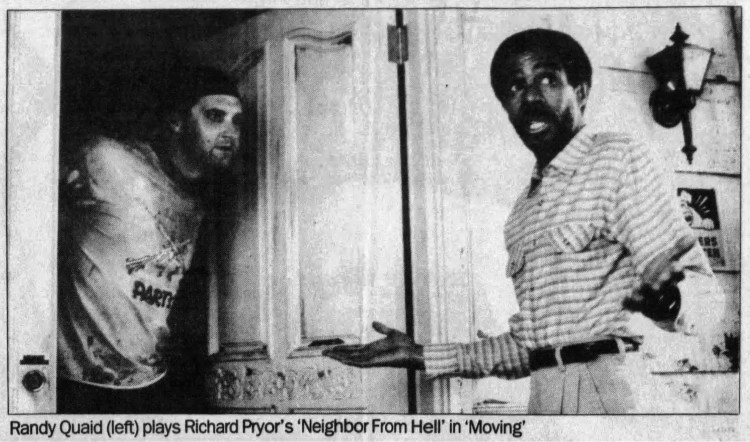
UK, 1993—USA, 1987—the words ‘—— from hell’ are suffixed to nouns often referring to everyday life, such as ‘holidays’ and ‘neighbour(s)’, to make phrases denoting an exceptionally unpleasant or bad example or instance of ‘——’
USA, 1906—a man who fixes something, especially a man who, often illicitly, arranges matters or sets up deals—cf. ‘fixer’: one who, often illicitly, arranges or adjusts matters
USA—‘Mr Nice Guy’ (1952, first used of Perry Como): a pleasant, selfless, thoughtful person—‘no more Mr Nice Guy’ (1960): used to express that one has decided to stop being considerate of others and instead act exclusively in one’s own self-interest
UK, 1864: a naive person who can be manipulated to advance a political agenda—USA, 1948 (1946 as ‘useful innocent’): with reference to a communist strategy designed to gain political power


 word histories