‘Peter Grievous’: meaning and origin
a person who whines or complains—UK, 1769, humorous—‘Peter’ is used as a generic forename, and the adjective ‘grievous’ (meaning ‘aggrieved’) is treated as a surname
Read More
“ad fontes!”
a person who whines or complains—UK, 1769, humorous—‘Peter’ is used as a generic forename, and the adjective ‘grievous’ (meaning ‘aggrieved’) is treated as a surname
Read More‘raspberry’: a rude sound (suggestive of breaking wind) made by blowing with the tongue between the lips, as an expression of mockery or contempt—UK, 1888—‘raspberry’ (short for ‘raspberry tart’): rhyming slang for ‘fart’
Read Moredefined by Collins Dictionary as denoting “an extended period of instability and insecurity, especially one resulting from a series of catastrophic events”—first used in 1975 by the U.S. political scientist John Pearson Roche
Read Moreused of a person who likes to observe other people’s activities from his or her window, in a furtive and prying manner—UK and Ireland, 1940
Read More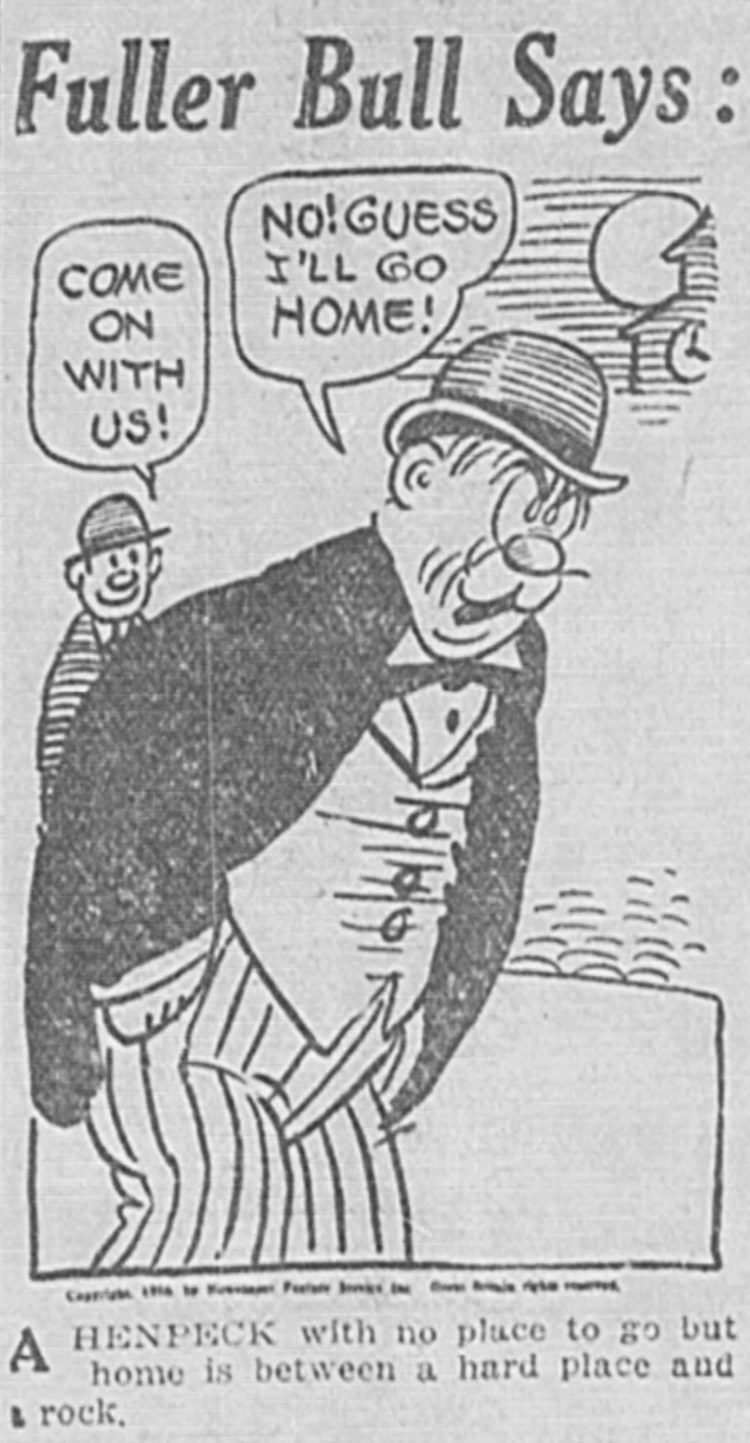
faced with two equally difficult alternatives; in a dilemma—USA, 1914
Read Moreto react with shock or dismay, especially in response to something considered immoral, underhand or vulgar—USA, 1990—from an episode of the sketch-comedy television series In Living Color, broadcast on 15th April 1990
Read Moremeaning: a person cannot be expected to behave in a manner that is not in their character—numerous variants—first recorded in 1731 as ‘If we petition a Hog, what can we expect but a grunt’
Read More(humorous and frequently ironic) determinedly or stubbornly independent—USA, 1841—apparently refers to the extreme helplessness of a hog (i.e., a pig) on the ice
Read Moreto snore—UK, 1828—this phrase likens a person’s snoring to the sound made by a herd of pigs
Read More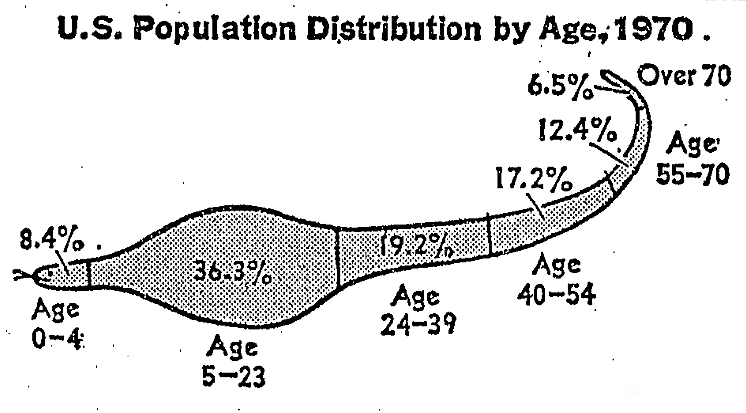
Canada, 1970—the people who were born during the ‘baby boom’ of the years immediately following WWII, considered as a demographic bulge—any short-term increase or notably large group
Read More word histories