the authentic origin of ‘once in a blue moon’
‘Once in a blue moon’ is a development from ‘once in a moon’, meaning ‘once a month’, hence ‘occasionally’—‘blue’ is merely a meaningless fanciful intensive.
Read More
“ad fontes!”
‘Once in a blue moon’ is a development from ‘once in a moon’, meaning ‘once a month’, hence ‘occasionally’—‘blue’ is merely a meaningless fanciful intensive.
Read More‘to play possum’: American English, early 19th century—pretend to be dead, asleep, etc.—allusion to the opossum’s habit of feigning death when threatened
Read More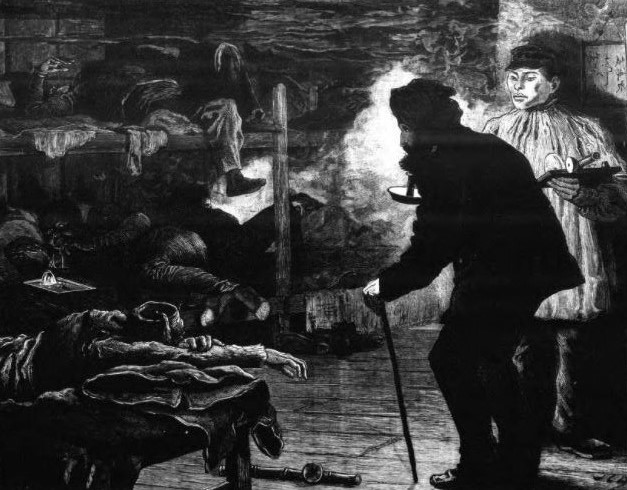
pipe dream: American English, late 19th century—originally with reference to the kind of visions experienced when smoking an opium pipe
Read More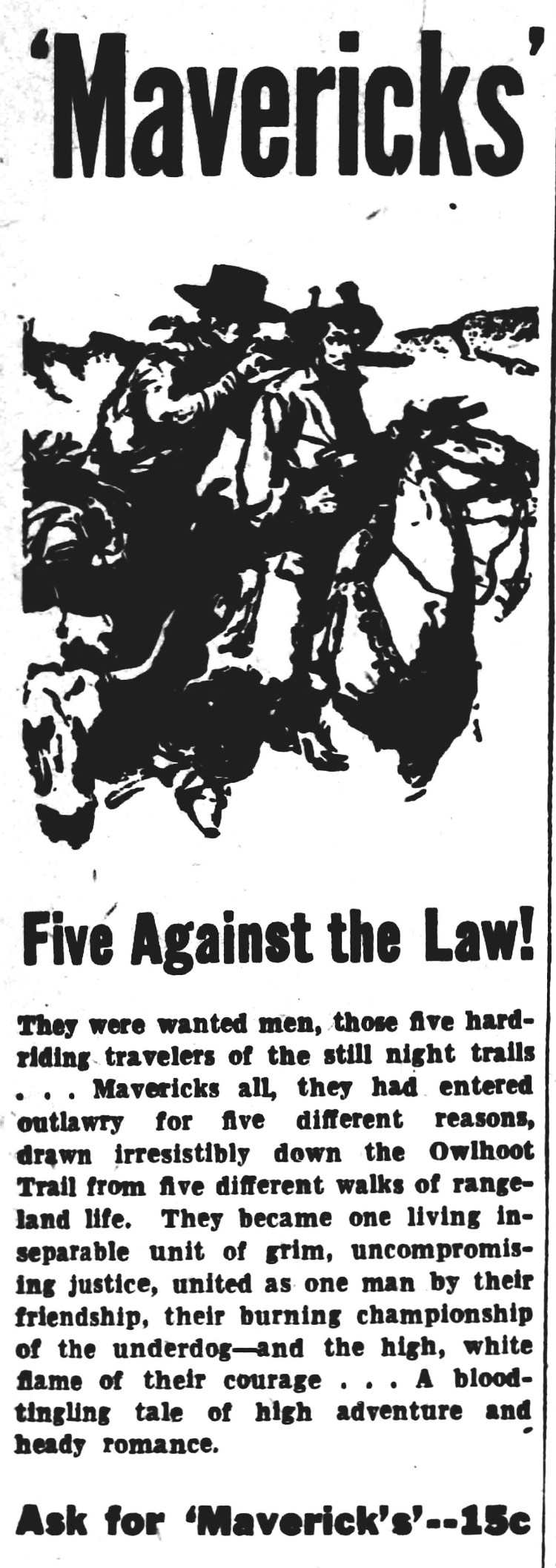
Coined after ‘cock-crow’, ‘owl-hoot’ means ‘dusk’. It denotes ‘an outlaw’ in Wild West fiction, hence, generally, ‘a worthless or contemptible person’.
Read More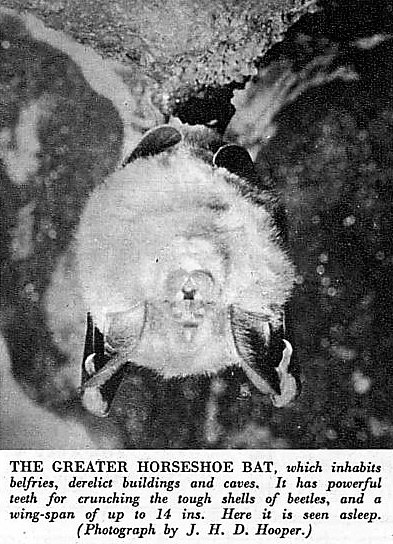
Of American-English origin, ‘to have bats in one’s belfry’ is from the image of bats flying around when disturbed, like confused thoughts in a disordered mind.
Read More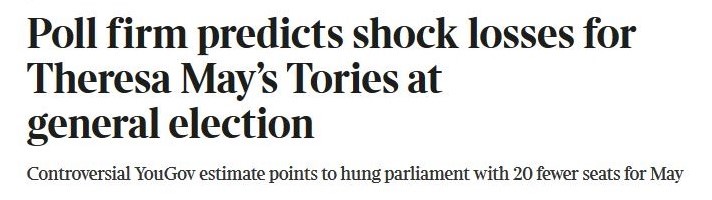
In ‘hung parliament’, ‘hung’ means ‘in which no political party has an overall majority’ – cf. the US expression ‘hung jury’, where ‘hung’ means ‘unable to decide’.
Read More
The word ‘conundrum’, attested in 1596, originally meant ‘whimsy’, ‘oddity’. It perhaps originated as a parody of some Latin scholastic phrase.
Read More
padoodle (USA): exclamation shouted by a person who spots a car with only one working headlight, which entitles this person to kiss or hit someone else
Read MoreThe expression ‘esprit d’escalier’, ‘wit of the staircase’, originally referred to a witty remark coming to mind on the stairs leading away from a gathering.
Read More
‘Over the top’, which means ‘excessive’, originated as a WWI expression meaning ‘over the parapet of a trench and into battle’.
Read More
