18th-century instances of ‘Indian summer’
18th-century instances of ‘Indian summer’ in addition to the earliest one—including a 1791 figurative use of the term
Read More
“ad fontes!”
18th-century instances of ‘Indian summer’ in addition to the earliest one—including a 1791 figurative use of the term
Read Morefirst recorded in The Biglow Papers (1848), by American author James Russell Lowell—based on the notion of leaving one’s hat behind in a rush of impetuosity
Read MoreUSA, 1906—popularised by a telegram sent to boxer Joe Gans by his mother, requesting him before a fight to win and ‘bring home the bacon’
Read MoreUSA, 1891—a passenger in the rear seat of a car who gives the driver unwanted advice; hence, figuratively, a person who is eager to advise without responsibility
Read More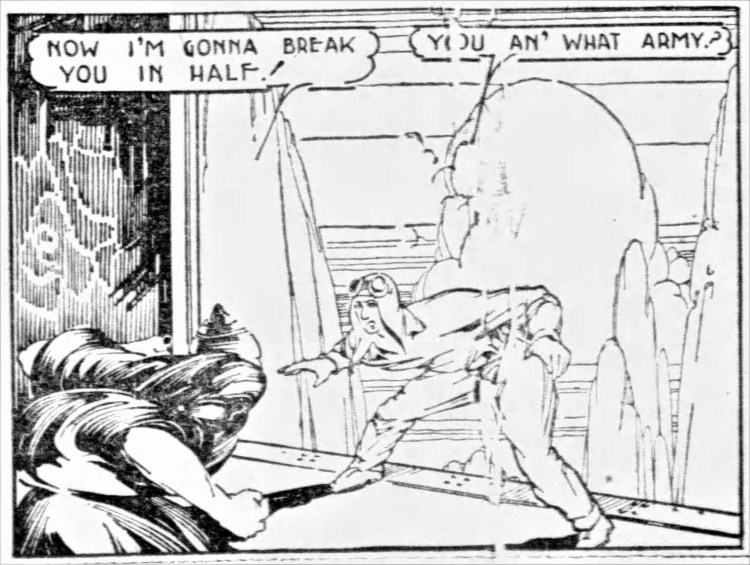
USA, 1929—‘you and whose army?’, or ‘you and what army?’: used to question a person’s ability to carry out a threat or challenge unaided
Read MoreUSA, 1920—‘(as) American as apple pie’: typically American in character—‘apple pie’ being here a symbol of American motherhood and traditional family values
Read MoreUK, 1934—image said to have been first used by Lenin about the Russian soldiers who were abandoning the war during the Russian Revolution of 1917
Read Moreprimary meaning of ‘boggle’ was ‘to start with fright’, originally with reference to horses—probably related to the nouns ‘bogle’ and ‘bogey’, denoting an evil spirit such as horses are reputed to see
Read More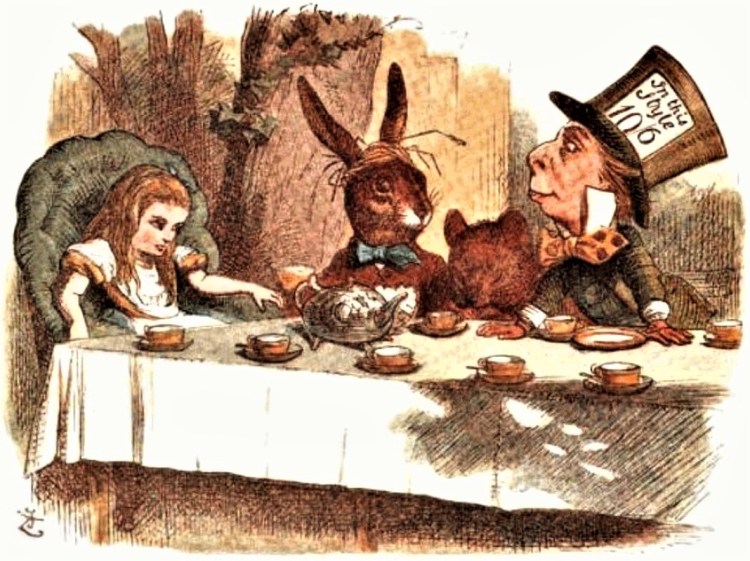
to be insane—late 19th century—originated in the fact that in 19th-century productions of Shakespeare’s ‘Hamlet’, Ophelia appeared with straws in her hair in her ‘mad scene’
Read More‘to know where the bodies are buried’: to have personal knowledge of the secrets or confidential affairs of an organisation or individual—USA, 1928, as ‘to know where the body is buried’
Read More word histories