‘Coggeshall job’: meaning and origin
any muddle-headed business—UK, 1813—the stupidity of the people of Coggeshall, a small town in Essex, England, has been proverbial since the mid-17th century
Read More
“ad fontes!”
any muddle-headed business—UK, 1813—the stupidity of the people of Coggeshall, a small town in Essex, England, has been proverbial since the mid-17th century
Read Morerefers to the fact that the winter cold is essential to plants and crops—UK, first recorded in the mid-17th century, but already proverbial
Read Moresaid to console a child choking over his or her food—UK, obsolete—first recorded in A Complete Collection of Genteel and Ingenious Conversation (1738), by Jonathan Swift
Read MoreUSA, 1938—male-chauvinistic phrase meaning that the place of women is in the home and that their role is to bear children—also ‘pregnant and barefoot(ed)’
Read More
used as a humorous exhortation to a driver (‘James’: generic posh Christian name)—USA—shorter form: late 19th century—extended form: 1911
Read More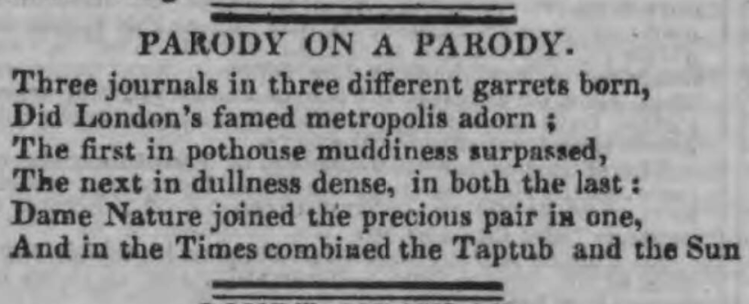
The Times: nicknamed Thunderer—the Morning Advertiser: Gin-and-Gospel Gazette, Tap-tub—The Morning Post: Jeames—The Morning Herald and The Standard: respectively Mrs Harris and Mrs Gamp
Read Moresatirical of British insularity (describes Continental Europe as being cut off from the British Isles)—UK 1930, USA 1931—allegedly originated in a newspaper headline, but this is probably apocryphal
Read More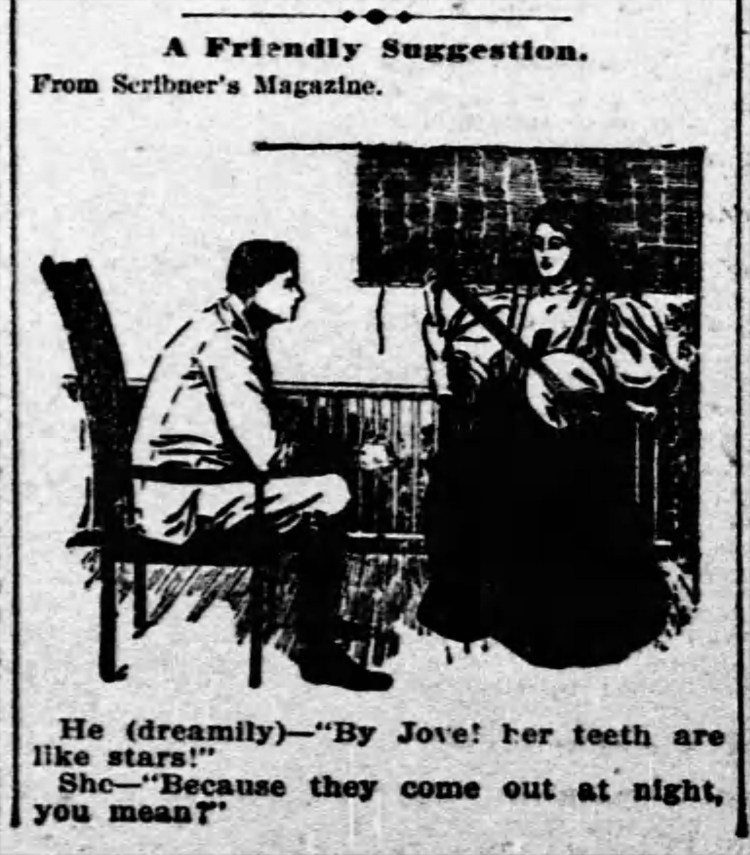
USA, 1893—the phrase ‘teeth like stars’ is applied to false teeth, the image being that they ‘come out’ at night
Read Moreapplied to someone who will drink anything—UK, 1790—from the tale of the sailor(s) who stole spirits from the cask in which a dead Admiral was being preserved for interment in England
Read Moreapplied either to a wearisome talker or to a persuasive talker—first occurs in the latter sense and in connection with boxing: Australia 1952, UK 1954
Read More
