‘a fart in a spacesuit’: meaning and origin
UK, 1980—denotes someone or something that is unwelcome, unpopular, etc.—first recorded in a remark by the Scottish comedian Billy Connolly, but perhaps originated in Royal-Navy slang
Read More
“ad fontes!”
UK, 1980—denotes someone or something that is unwelcome, unpopular, etc.—first recorded in a remark by the Scottish comedian Billy Connolly, but perhaps originated in Royal-Navy slang
Read MoreUK, 1877—humorous: a holiday or period of leisure spent drinking alcoholic liquor—blend of the nouns ‘alcohol’ and ‘holiday’—has, in the course of time, been coined on separate occasions by various persons, independently from one another
Read MoreUK, 1741—all day, incessantly—also, in early use, ‘morn, noon and night’—different from the juxtaposition of the nouns ‘morning’, ‘noon’ and ‘night’, which refers to an action taking place first in the morning, then at noon, and finally at night
Read More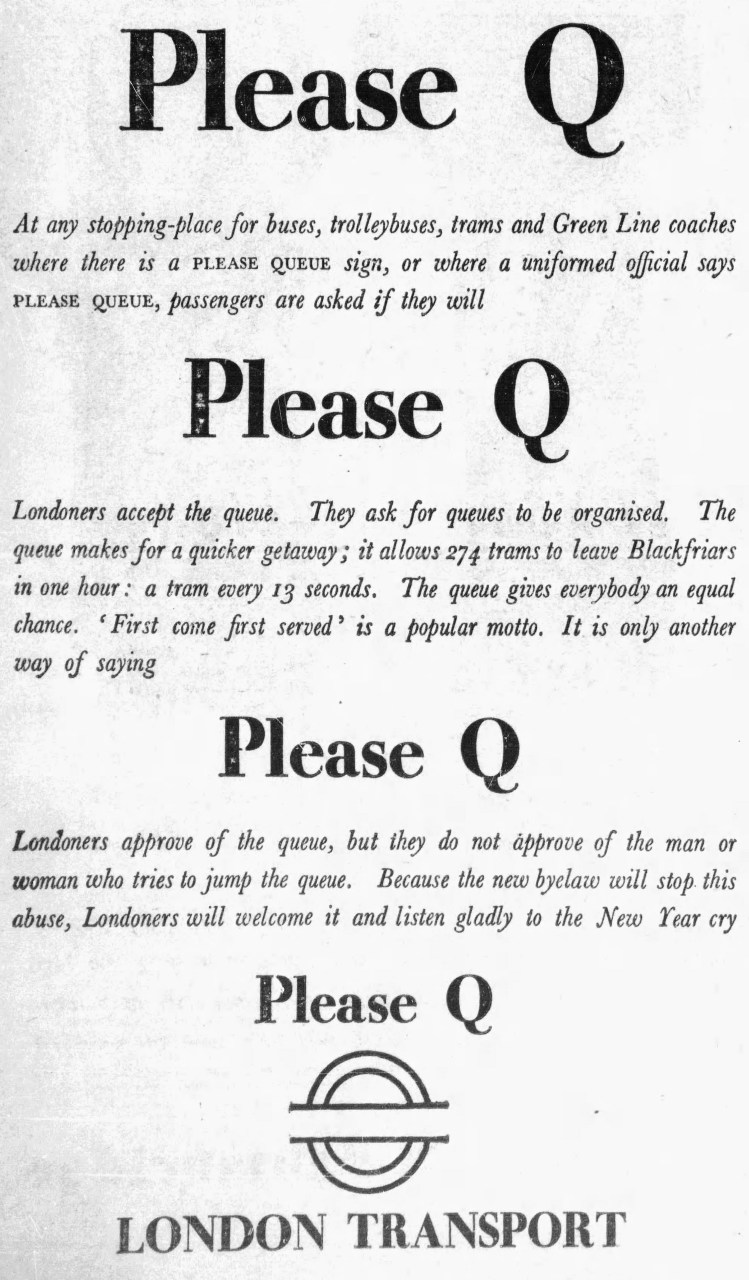
UK, 1920 (‘queue-jumper’)—literally: to push forward out of turn in a queue—figuratively: to obtain unfair priority over others—especially used since the 1930s in relation to compulsory queueing schemes implemented by public-transport authorities
Read More
UK, 1997—the title given to the official resident cat of the Prime Minister of the United Kingdom at 10 Downing Street, London—‘mouser’, first recorded circa 1440, denotes an animal that catches mice
Read MoreAustralia, 1909—(horseracing) a bet is sure to pay off; (in extended use) something is a very strong probability—from the notion that the punter is so confident of winning the bet that he is prepared to put the whole city of London on a horse to win a brick, i.e., a ten-pound note
Read Morea small component of a much larger structure, system or process; an insignificant individual within a large population or community—commonly associated with ‘Another Brick in the Wall’, the title of a three-part composition by the British band Pink Floyd in their 1979 rock opera ‘The Wall’, but has been used since 1867
Read MoreUK, 1888—a person who interrupts at an inconvenient moment—alludes to a visitor from Porlock, in Somerset, England, who, according to Samuel Taylor Coleridge (1772-1834), interrupted him during the composition of ‘Kubla Kahn’
Read More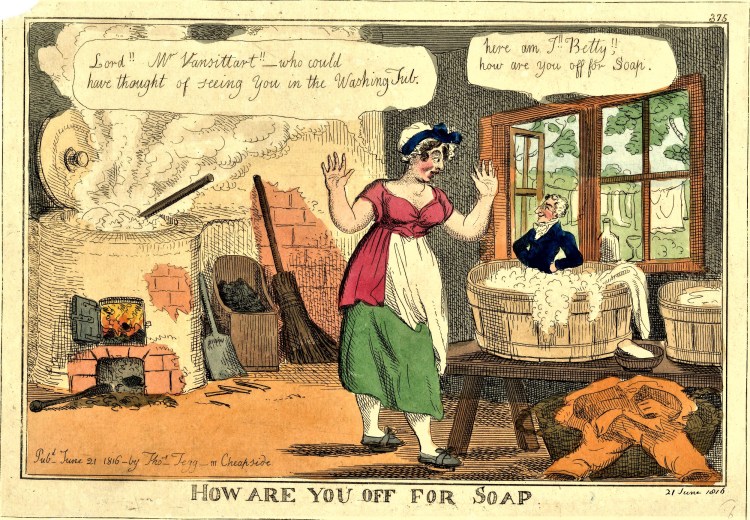
UK, 1816—a meaningless bantering phrase—originated in a print published in June, satirising the fact that a bill on additional taxation on soap had been brought in unobtrusively in May by the Chancellor of the Exchequer
Read More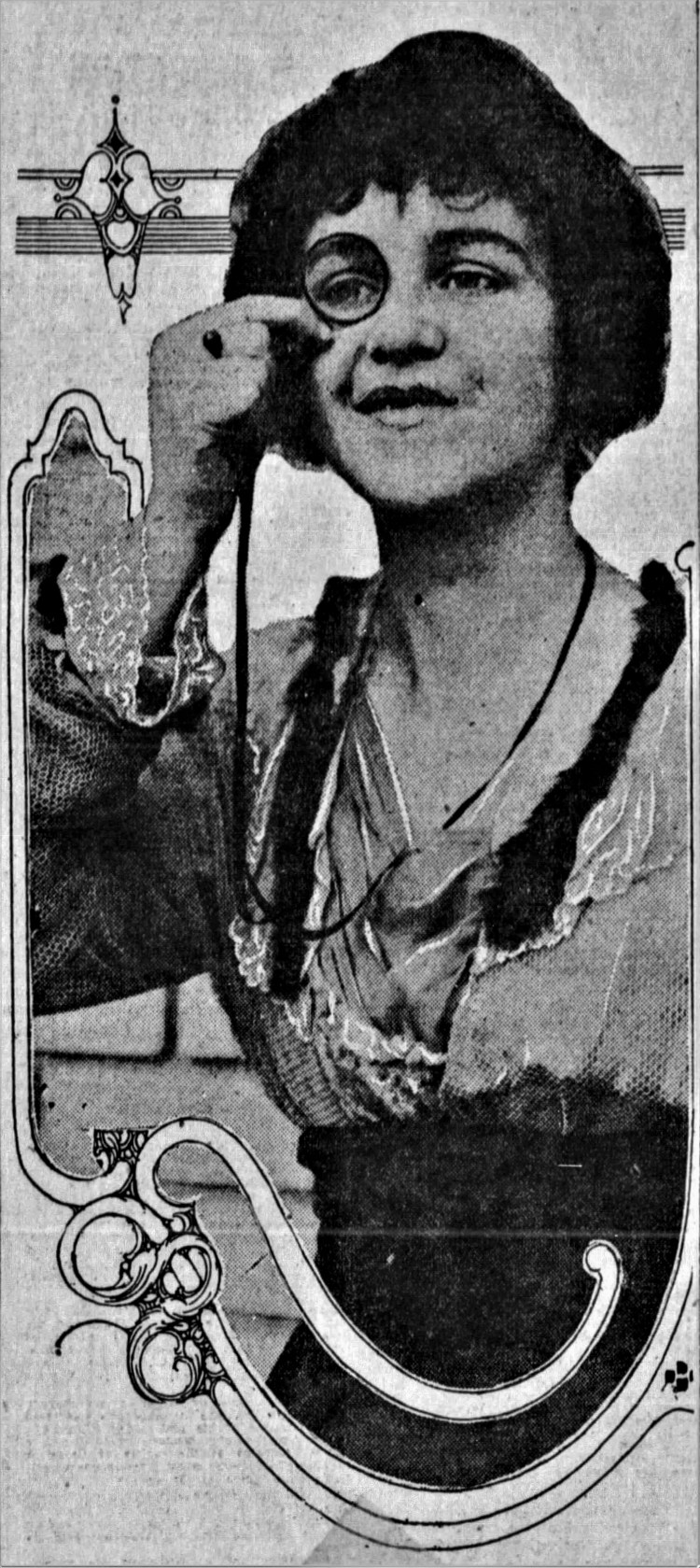
UK, 1897—‘Piccadilly window’: a monocle—hence ‘Piccadilly-windowed’: monocled—alludes to ‘Piccadilly’, the name of a street and of a circus (i.e., a rounded open space) in London
Read More word histories