the long history of the word ‘blues’
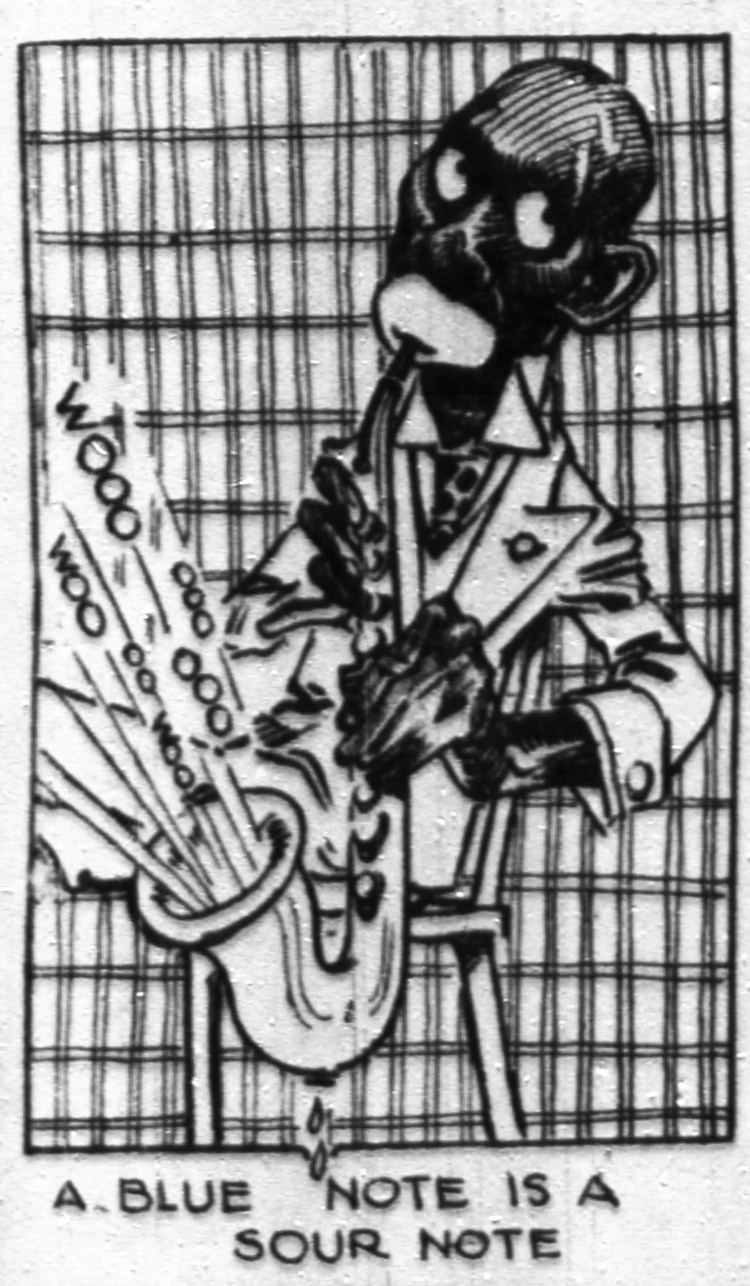
‘blues’—from ‘blue’ (‘sorrowful’) and elliptically from ‘blue devils’ (‘depression’)—originally a metaphorical use of ‘blue’ (‘bruised’), as in ‘black and blue’
Read More
“ad fontes!”
‘blues’—from ‘blue’ (‘sorrowful’) and elliptically from ‘blue devils’ (‘depression’)—originally a metaphorical use of ‘blue’ (‘bruised’), as in ‘black and blue’
Read More‘all Sir Garnet’ (late 19th cent.): highly satisfactory – from the name of Sir Garnet Wolseley (1833-1913), who conducted successful military expeditions
Read More
UK, 1930s—from Cold Comfort Farm (1932), by Stella Gibbons, in which a character exploits a traumatic childhood experience to exert control over her family
Read Moreearly 19th century—shortening of ‘to turn the deaf ear and the blind eye’ and variants
Read More
UK, late 19th cent.—probably a rendering of an Irish patronym, based on stereotypes generated by Irish immigration to Britain and popularised by theatre
Read More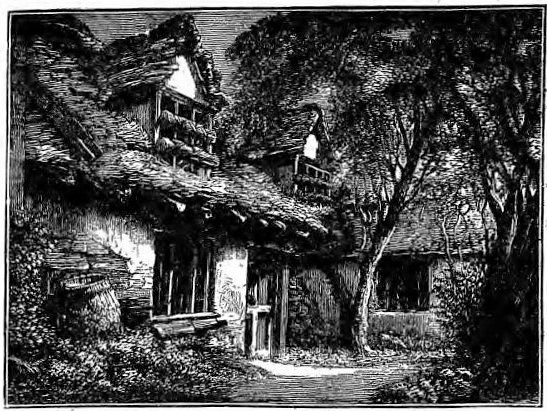
a game in which the player who has the role of Tom Tiddler defends his territory against the others, who try to steal his money—hence a source of easy money
Read More
the name of a deep boggy place at the beginning of Christian’s journey to the Celestial City in ‘The Pilgrim’s Progress’ (1678), by John Bunyan
Read More
said to have originated in Oliver Cromwell’s instructions to the painter Peter Lely to represent him as he truly was, without concealing his blemishes
Read More‘To eavesdrop’ originally referred to standing within the eavesdrop (the ground on to which water drips from the eaves of a house) in order to overhear what is going on inside.
Read More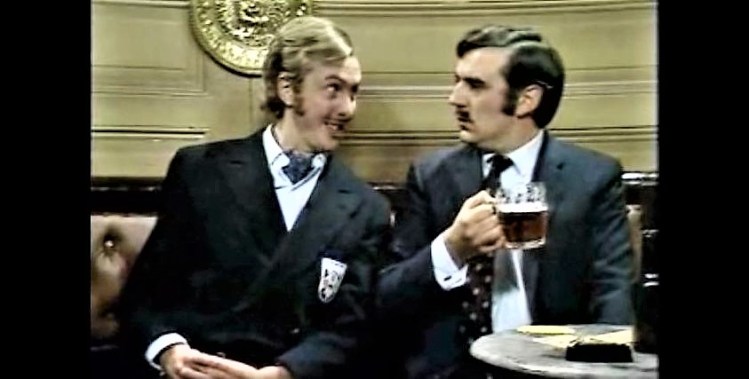
‘a nod’s as good as a wink (to a blind horse)’ 18th century—acknowledges that a hint or suggestion has been understood without the need of further elaboration
Read More
